
Jak Anička ze Zrádců usnula ve své rakvi na Křivoklátě. Ale taky o pohřbívání křečků.
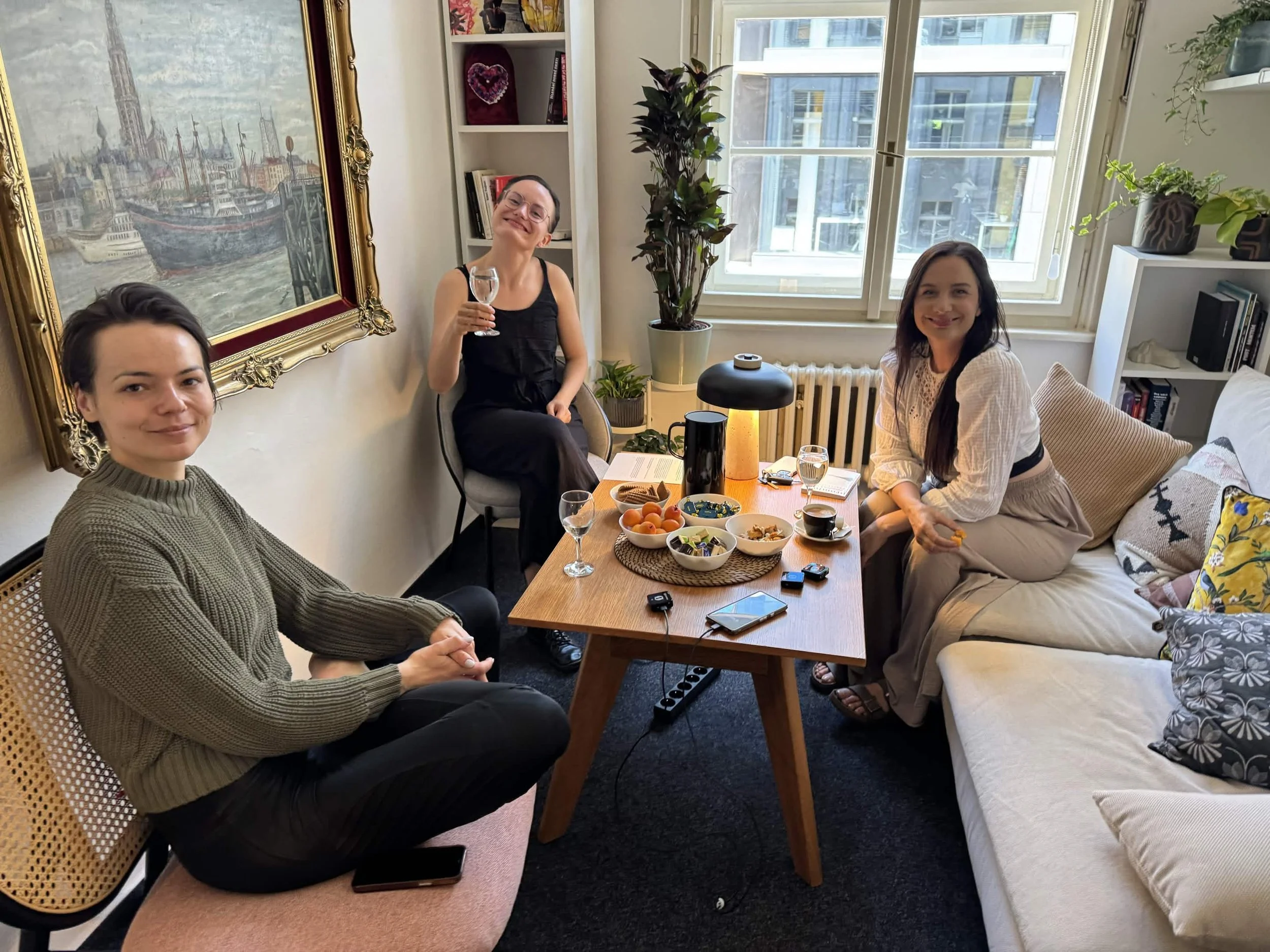
Anička Kadlecová ze Zrádců natáčí podcast s Pohřebními průvodci: s Noemi Svobodovou a Sandrou Šindelářovou.
Zrádci! Sledujete je?
Pokud jste někdy v životě hráli městečko Palermo (a všechny jeho možné varianty, včetně třeba hry Among us), určitě vám ten koncept nepřijde nijak nový: hráči přes den plní mise a v noci zrádci eliminují jednoho z hráčů. Na další den hráči kromě mise hlasují, kdo je zrádce – a koho ze "svých" tím pádem eliminují sami.
Zrádci vůbec se rádi točí kolem tématu smrti. Ve druhé sérii si dokonce hráči lehali do rakví, byli v nich zavření, ostatní jim házeli květiny do hrobu.. zkrátka si vyzkoušeli všechno, co všichni jednou zažijeme.. akorát potom z toho hrobu už nevstaneme.
Anička Kadlecová, kterou jsem si pozvali do podcastu, aby nám o své zkušenosti ve Zrádcích povyprávěla, prý, zavřená ve své rakvi na Křivoklátě, usnula.
Zrádci jsou samozřejmě hra: je tam s vámi štáb a když už si lehnete do rakve, nebývá to s vědomím, že jste umřeli, ale s vědomím, že nechcete vypadnout. Když se ale víko vaší rakve jednou doopravdy zavře a vy jste opravdu vypadli, vlastně to symbolizuje smrt.
Přihlížel štáb k jejich největším strachům - třeba klaustrofobii?
Nakolik si hráči uvědomovali symboliku hry na život a na smrt?
Hráči během dvou týdnů prožijí celý malý život, přičemž netuší, kdy skončí. Proto jdou do všeho naplno, bez cavyků, hlavně aby nevypadli.
Jak to, že když máme místo dvou týdnů třeba devadesát let, ale s úplně stejnou nejistotou, zda tu zítra budeme, tak se stáváme tak pohodlnými?
A analogiemi můžeme pokračovat: každý jsme přesvědčeni o vlastní jedinečnosti, ale i když ze hry vypadneme, příběh běží dál. A nejinak je tomu ve smrti.
Letní epizoda o Zrádcích (pozor na spoilery!), o (ne)smrtelnosti a o tom, že ve hře na život a na smrt se o sobě člověk dozví víc, než by možná chtěl.. a taky o pohřbívaní křečků a kryonice! S Aničkou Kadlecovou mluví Pohřební průvodci Noemi Svobodová s Sandra Šindelářová.
Poslouchejte na Spotify a jiných platformách.
Prvních 48 hodin: Moc, kterou jsme odevzdali systému: Oleg Vojtíšek, Olga Nešporová, Magdalena Ondrová, Barbora Steinlauf
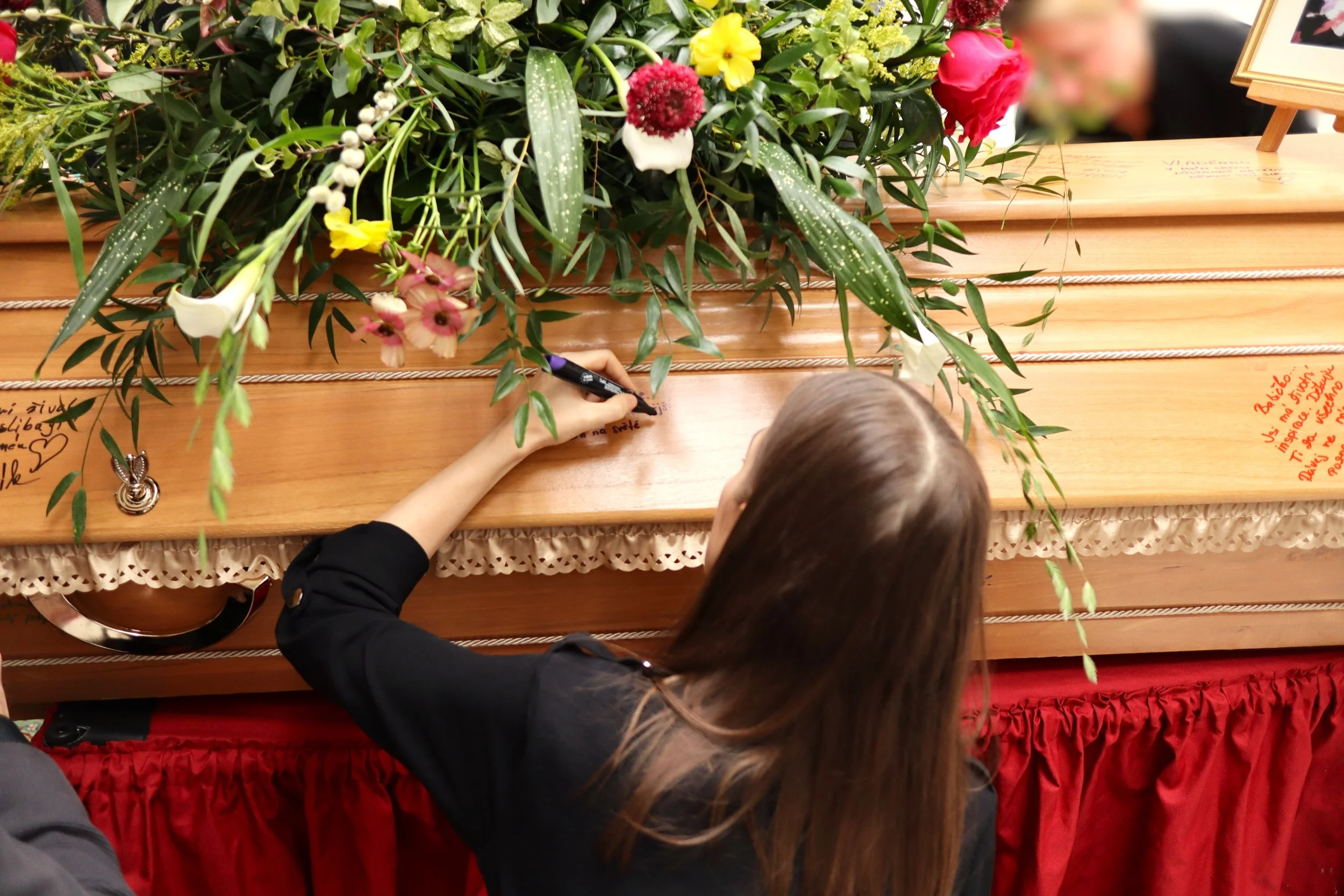
Na pohřbu můžeme napsat vzkazy na rakev.
Tatínek umřel. A teď rychle: zavolat lékaře, na internetu najít nejbližší pohřební službu, ať si ho co nejrychleji vyzvednou. Hned ráno jít sjednat pohřeb do kanceláře na pobočku, kterou stihnu ideálně ještě před prací. Naobjednat věnce, sestavit parte, vybrat rakev z katalogu. Tak vypadá nejklasičtějších 48 hodin od úmrtí.
Olga Nešporová, etnoložka z AV ČR, o tom konstatuje: “Lidé přestali být na péči o umírající zvyklí. Nevíme, co si s mrtvým počít, a bojíme se jeho tělesnosti a případných změn.”
Mrtvé lidské tělo ale není biologický odpad. Jak hezky říká náš Oleg: “Mrtvý člověk už nedýchá, nekašle a nekýchá. Bakterie tam být mohou, ale milují našich živých 36 stupňů. Pokud jste se nebáli dotýkat za života, není důvod se odtahovat teď.” Prvních několik hodin od úmrtí patří vám a jemu, nikoli pohřebním zřízencům.
Magdalena Ondrová z hospice doplňuje příklady z praxe: v hospicích je normální, že sestřičky rodině pomohou tělo umýt, obléci a celkově připravit. Někdy rodina chce upravit vlasy, jindy jim dát něco se sebou na cestu. A někdo potřebuje třeba jen konzultace po telefonu, jak na to.
Všichni tři odborníci se tedy napříč obory shodnou na tom samém: bojíme se smrti a bojíme se mrtvého těla. Přitom nám ale jeho úprava může neskutečně pomoct. Zesnulý už je klidný, nic ho nebolí a máte ho plně v rukou. Ten klid se přenese i na vás, když mu dáte šanci. Rozloučit se, udělat mu poslední službu, naposledy se postarat. A teprve pak ho nechat jít.
Pokud se chcete o prvních 48 hodinách od úmrtí dozvědět více - na co máte právo a co vám nikdo nesmí zakazovat, čtěte rozhovor Kláry Nesitové s naším Olegem, ale také Olgou Nešporovou, Magdalenou Ondrovou nebo Barborou Steinlauf, zdravotnickou advokátkou.
Chcete, aby z vašeho těla vyrostl strom? A víte, že to u nás nejde? Ekonews o konferenci Společně za terramaci
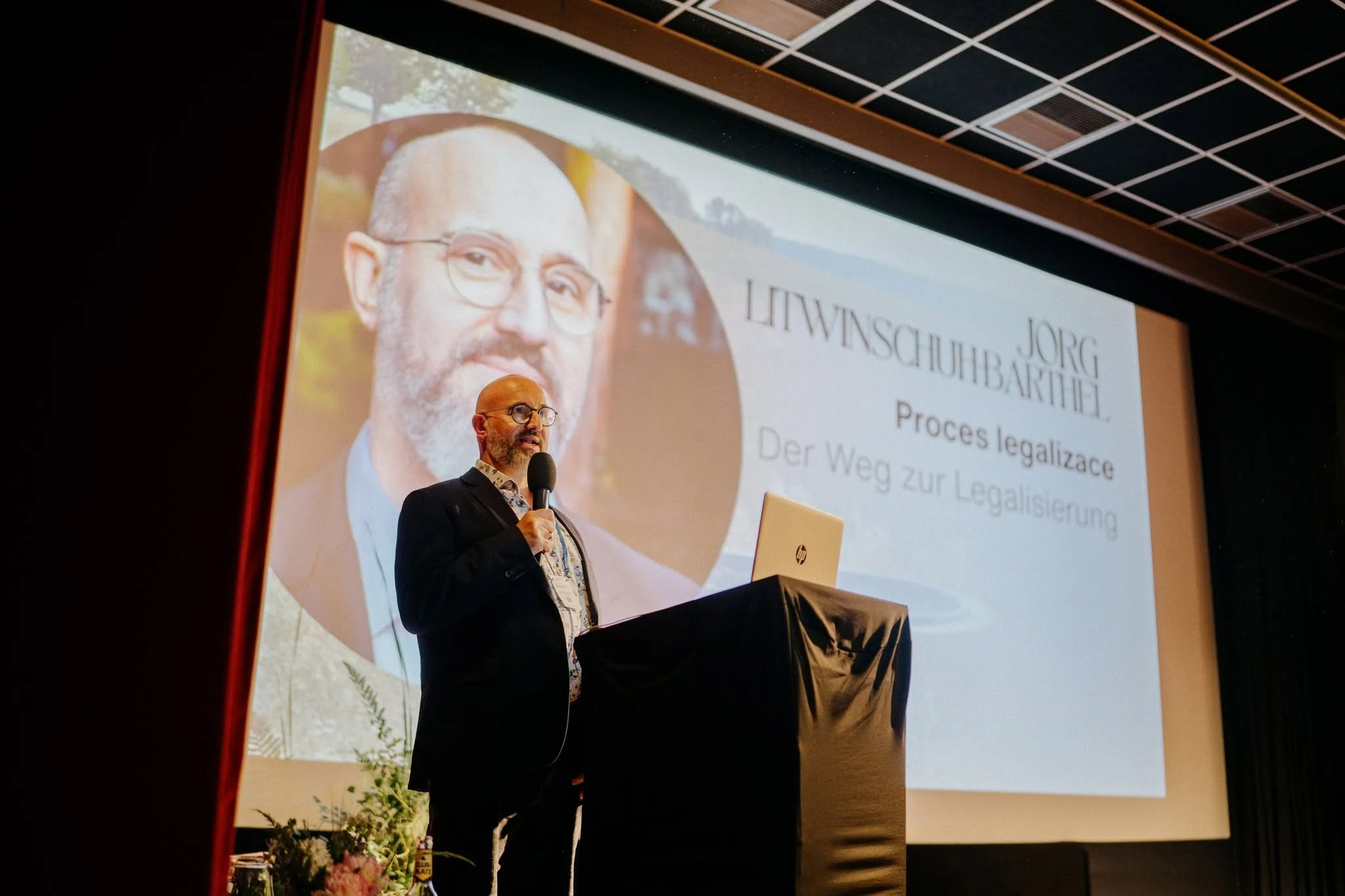
Jörg Litwinschuh-Barthel mluví o legalizaci terramace
Chcete, aby z vašeho těla vyrostl strom? A víte, že to u nás nejde?
Respektive, ne tak docela: u nás jakémukoli pohřbení ke stromu předchází kremace. Takže ke stromu se vsype jenom váš popel. A ten je vesměs z fosforu a vápníku, takže ten strom vás tam spíš tak strpí, než že byste mu pomohli růst.
(Vzácnějším případem jsou samozřejmě hřbitovy, kde někdo zasadil stromy a pak je nechal růst nazdařbůh tak moc, že jejich kořeny prorostly hroby. Nikdo se tam už sice nově pohřbít v rakvi nemůže, aniž by strom pokácel, ale je to takový důkaz, že to jde – když se (ne)chce!)
Jak to ale udělat, aby to skutečně šlo? Abyste se skutečně proměnili v prospěšný substrát, ze kterého vzejde strom? A jak to udělat v rámci desítek dní, když tělo normálně tleje klidně desítku let?
Tím se zabývala německá firma Meine Erde. Přišli s tzv. kolébkou, ve které se tělo zesnulého rozloží za 40 dní přirozenými procesy: vláhou, teplem a nepatrným pohybem. Po konci procesu vám zbude terramát – substrát, hlína, do které lze teoreticky zasadit strom.
Jenomže: i v tak pokrokovém Německu se tato hlína musí převézt na hřbitov a zakopat do hrobu, hezky několik metrů pod zem.
A teď ta zásadní otázka – dokážeme to i u nás?
Žádný pohřební ústav zatím nemá technologii (onu kolébku), aby to mohl provést. Ale my v tom nevidíme žádný problém: umíme zařídit převoz zesnulého do Německa, a potom zase převoz terramátu zpět k nám. O potřebnou administrativu se postaráme.
Jenomže, úplně ideální by to bylo bez převozů a bez problémů s naším zákonem. O to se snaží spolek Poslední stopa v čele s Adamem Vokáčem.
Vyjádření ministersta zní (mimojiné) takto: “Ekologická kritéria a mravní cítění se mohou značně rozcházet, přičemž v oblasti pohřbívání, nakládání s lidskými pozůstatky, je narušení mravního cítění veřejnosti posuzováno jako možný přestupek podle zákona o pohřebnictví.”
Tak co myslíte? Je to přestupek? Je to ekologický problém? Je to narušení mravního cítění veřejnosti tam, kde kremace takovýmto narušením podle ministerstva není?
Čtěte na Ekonews článek Ireny Buřívalové o konferenci, kterou pořádal Adam Vokáč se spolkem Poslední stopa a které se účastnil i náš Oleg Vojtíšek:
Každá deprese jde vyléčit - říká Jiří Horáček, ředitel Národního ústavu duševního zdraví
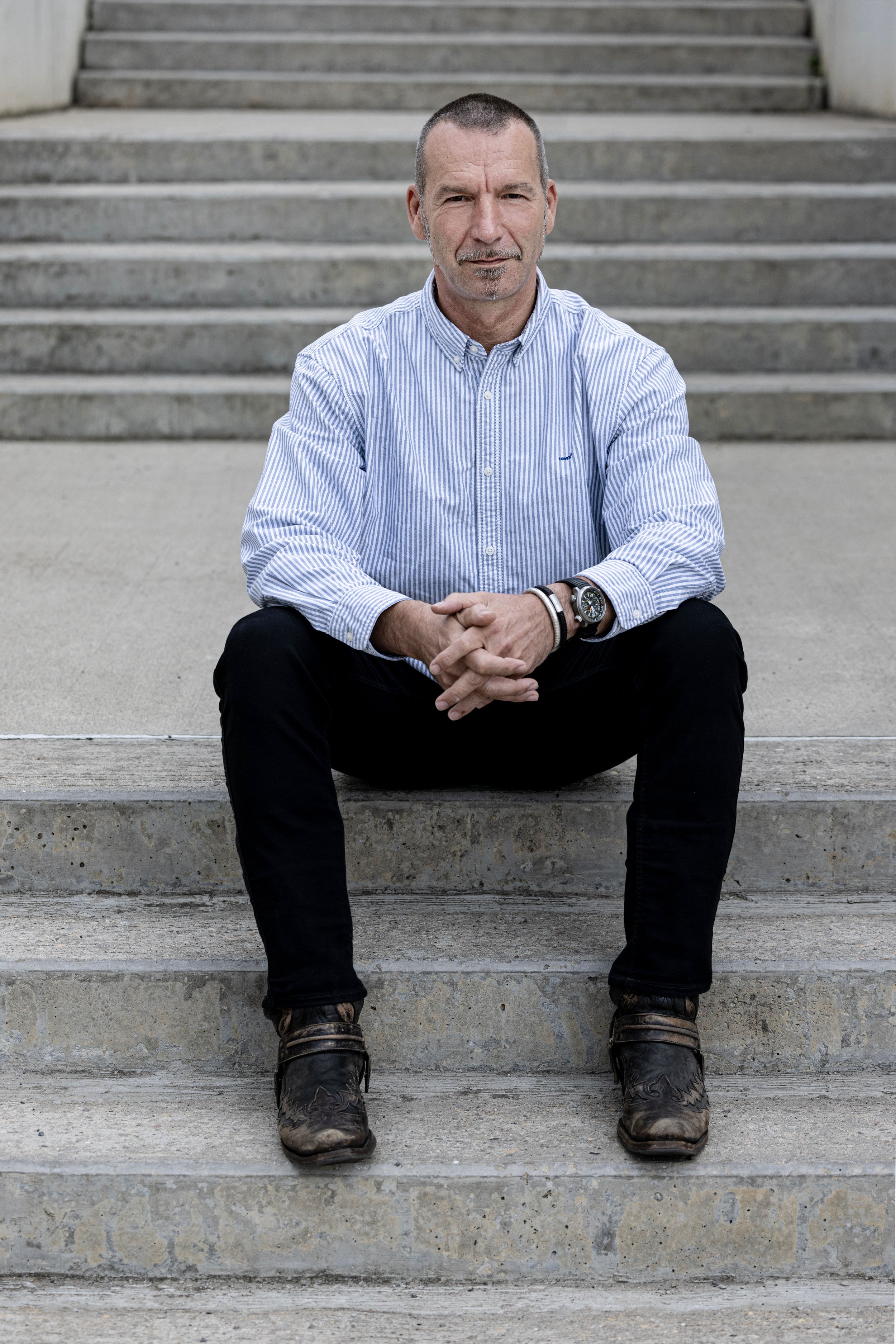
S Olegem Vojtíškem rozmlouval Prof. MUDr. Jiří Horáček, Ph.D., FCMA, ředitel Národního ústavu duševního zdraví (NUDZ), přednosta Kliniky psychiatrie a lékařské psychologie 3. LF UK a vedoucí Centra pokročilých studií mozku a vědomí NUDZ.
“Mám terminální diagnózu,” říká nám člověk v telefonu, který si chce sjednat pohřeb. Jenže jeho “diagnóza” jsou sebevražedné úmysly.
Co dál? Policie, pobyt na psychiatrii, léky. A toho se mnozí bojí. Přitom dnešní psychiatrie už vůbec není to, co známe z Přeletu nad Kukaččím hnízdem.
Proto jsme si do podcastu pozvali ředitele Národního ústavu duševního zdraví, prof. MUDr. Jiří Horáčka, Ph.D., FCMA.
Podle něj je KAŽDÁ deprese dříve či později vyléčitelná. A proto jsou příběhy, které končí sebevraždou, tak extrémně smutné: protože víme, že lék existuje, jen potřebuje čas.
Kritické je okno dvou týdnů od začátku braní antidepresiv: deprese totiž svého “hostitele” kryje tím, že mu bere energii k tomu, aby vůbec něco udělal. Antidepresiva mu tuto energii dodají: ale není to dostatek času vyléčit kořen deprese, onu “existencionální tíhu”.
Jaký je vztah mezi ekonomickou situací a sebevraždami? A mají nějaké národy větší sklony k sebevraždám, třeba z důvodu geologické lokace?
Je strach ze smrti starý jako lidstvo samo? V čem je životní styl “longevity” (dlouhověkost) vlastně naivní?
Proč psychedelika fungují?
Poslechněte si náš podcast Pohřebních průvodců na Spotify a dalších platformách!
Podcast o lidech, kteří zapomněli umřít: se zdravotní sestrou Veronikou Effenbergerovou
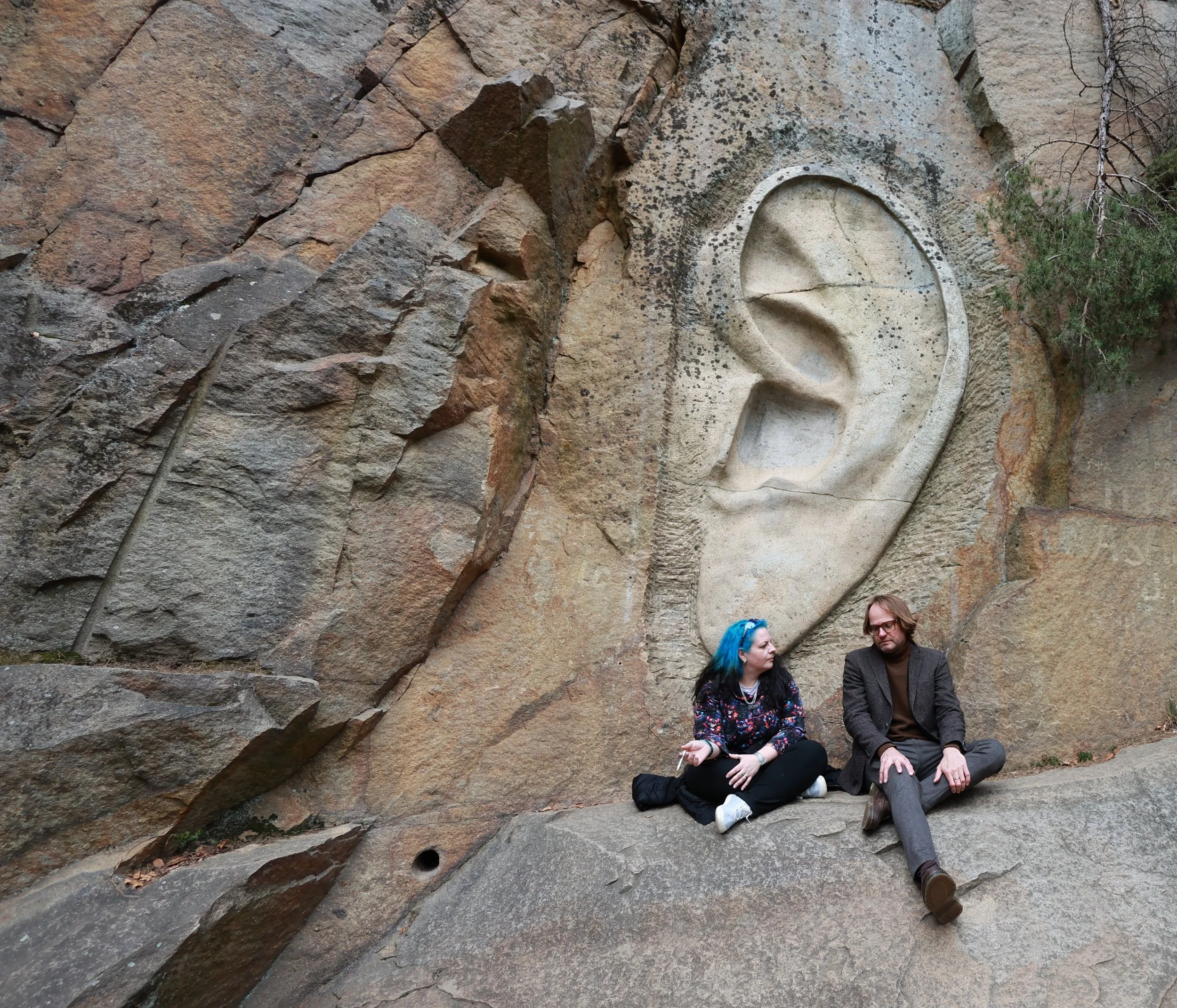
Veronika Effengergerová a Oleg Vojtíšek natáčí podcast u “Ucha”
“Když ještě dokážou vnímat ten okolní svět, tak v momentě, kdy vezmu do ruky stříkačku a otevřu vak s umělou výživou, abych to natáhla, už odvrací oči, aby to neviděli.”
Taková je realita lidí, kteří dožívají upoutaní na lůžku, napojeni na hadičkách. Nevnímat, nebo snad i být v komatu, je možná ta lepší varianta. Někteří z nich, dokud mohou, se dokonce pokouší o sebevraždu: a rodina káže dokorům resuscitovat, i kdyby srdce začalo selhávat přirozeně.
Proč? Protože je chce udržet naživu další jeden dva měsíce. Člověk musí v životě jen dvě věci: narodit se a umřít. “Zapomenout umřít” je asi ta nejhorší noční můra nás všech.
Zdravotní sestra Veronika Effenbergerová zažila takových případů v domě seniorů nesčetně. Je to právě ona, kdo se jednou bude možná starat (nebo už stará) i o vaše rodiče. A sama se rodin ptá “proč mu nedovolíte umřít?”
Co vede rodiny k udržování člověka na přístrojích, pokud už není šance na zotavení se a následný návrat k aktivnímu životu?
Kde končí láska k druhému a začíná láska k sobě samému - ta “opičí”?
Je smrt zdravá?
O tom jsme se bavili se sestrou Veronikou Effenbergerovou v našem podcastu. Tohle si určitě nenechte ujít: ne vždy je možnost nakouknout za oponu toho, co se děje v domovech seniorů. Nehledě na to, že mnozí se bojí vůbec projít jeho dveřmi.
Vojta Náprstek: Vyhrůžky uškvařením, začátky kremace, spektakulární pohřeb na nádraží. S Pavlou Hubáčkovou z Náprstkova muzea.
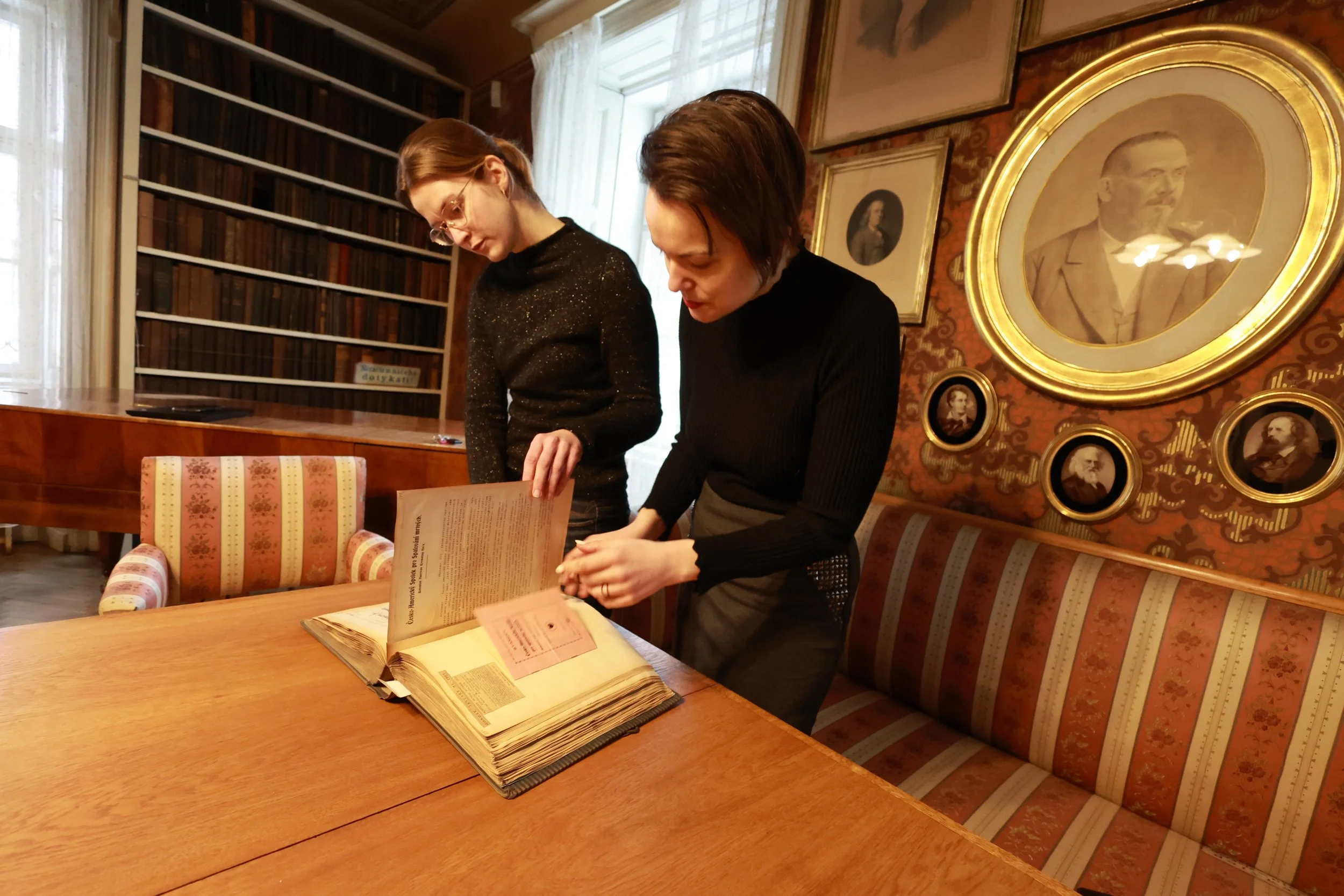
Pavlou Hubáčkovou z Náprstkova muzea natáčí se Sandrou Šindelářovou podcast o pohřbu Vojty Náprstka.
Jak jsme se dostali od vyhrožování uškvařením po kremační velmoc?
Před sto padesáti lety se u nás pohřbívalo jenom do země. A všichni brojili proti kremaci.
Dnes u nás probíhá přes 80 % pohřbů žehem. A všichni brojí proti lidskému kompostování, neboli teramaci. Kdo ví, jak to bude vypadat za sto let?
Znáte ale příběh toho, kdo u nás tu kremaci vůbec prosadil? Vojta Náprstek nebyl jenom jeden z prvních feministů (založil Americký klub dam, ve kterém prosazoval vzdělání pro ženy), ale také jeden z prvních Čechů, kteří se přes odpor církve i společnosti nechali zpopelnit.
Za jeho rozhodnutím stála věda: bylo to prý hygieničtější, úspornější, čistější – v době, kdy se hroby regulérně vykrádaly a mrtvá těla prodávala mladým medikům na zaučování.
My jsme se (nejen) o něm bavili s Pavlou Hubáčkovou z Náprstkova muzea v našem podcastu a pokud také chcete vědět, jak jsme se dostali od výhružek o uškvařených kulkách po většinové pohřbívání žehem, poslechněte si nás!
No a určitě nezapomeňte zavítat do Náprstkova muzea teď v dubnu, kdy opět vystavují jeho urnu (dle jeho přání)!
Slyšeli jste o POSMRTNÉM doprovázení? Pustili jsme se s Josefem Šťastným do vod buddhismu a Tibetské knihy mrtvých.
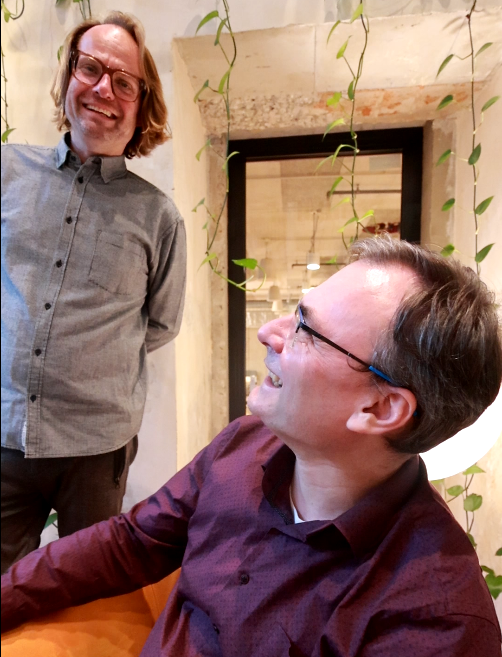
Josef Šťastný natáčí podcast o posmrtném doprovázení zesnulých.
My provázíme umírající před smrtí a pozůstalé po smrti. Ale aby někdo provázel umírající (tedy, již umřelé) i po smrti, to jsme slyšeli poprvé.
Josef Šťastný se věnuje právě tomu: jeho ideologie spočívá v tibetském buddhismu. Ve velmi zjednodušené terminologii najde duši zemřelého v tzv. bardu (takový mezistav mezi smrtí a znovuzrozením) a pomůže jí najít tu správnou cestu.
Cílem je, aby se, dle jeho vlastních slov, “o pár procent zlepšilo budoucí směřování zemřelého”. Protože, nezapomínejme, buddhismus věří v reinkarnaci (znovuzrození) duše. Znamená to, že se narodí do bohatší rodiny? Nebo, že nebude reinkarnován do zvířete?
Pro mnohé z nás, co kdy sledovali kočku nebo psa, by možná naopak příští život v kůži zvířete byl spokojenější..
A můžeme vůbec pomoci těm, kteří za života udělali strašlivé zlo? Atentátníkovi z vysoké školy, třeba? Zaslouží si jejich duše “spásy” – nebo, jak říká Josef Šťastný, “zabalení do světla”?
Máme rok 2026, který v numerologii odpovídá jedničce: roku nových začátků, předcházel mu rok plný změn a konců. Posmrtné doprovázení obdobně začíná už před smrtí: ve změně života, životních priorit, zahloubání se do sebe. To, co je po smrti, je pak pouze pokračování již načaté cesty, na které vás může doprovodit.
Podcast pro všechny, které zajímá, co je čeká po smrti: jestli opravdu nic, Bůh nebo Josef Šťastný!
Oleg Vojtíšek: Pohřeb má pomáhat, ne škodit: Rozhovor v časopise Lidé a Země
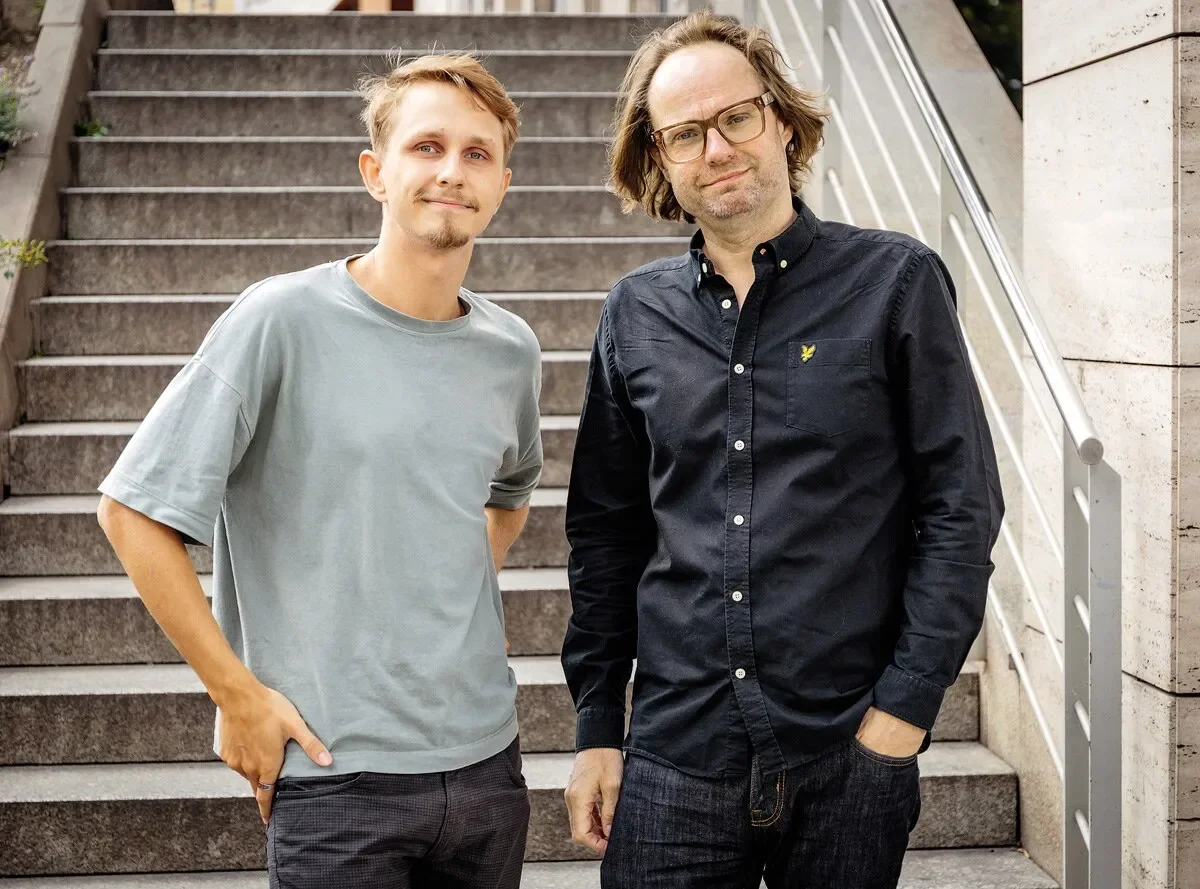
Oleg Vojtíšek a Adam Krecl, autor článku
Rozhovor plný otázek. A odpovědí.
Jaký máte vztah ke smrti? Předpokládám, že po všech zkušenostech strach nemáte.
Stojí za nápadem založení pohřební služby nějaká negativní zkušenost?
Ve vaší organizaci jsou naopak i mladé průvodkyně. Jak ony zvládají profesi, ve které věk hraje roli?
Co musí člověk umět ovládat, aby se stal pohřebním průvodcem?
Je smrt v české společnosti tabu, nebo se situace zlepšuje?
Máte nějakou zkušenost s pohřby v zahraničí?
Existuje nějaká země, jejíž pohřební rituály byste chtěli vidět na vlastní oči?
Kde tedy hledáte inspiraci pro formu pohřbů v Česku?
Daří se vám české smuteční rituály proměňovat?
Vaše webové stránky provází fráze „dobrý pohřeb“. Co znamená dobrý pohřeb?
To mi připomíná Mexiko, kde se věří, že zemřelí zůstávají mezi námi...
Při mých studiích sociální antropologie jsem narazil také na indický obřad sátí, při němž je vdova zesnulého rituálně upálena zaživa s jeho tělem. Viděl jste někdy něco podobného?
Můžete vy sám nějak pomoci pozůstalým s truchlením po pohřbu?
Lidé se dnes při velkých životních změnách často vydávají na poutě. Dokážete pozůstalým připravit i nějakou symbolickou cestu?
Zájemcům nabízíte také pohřbení v lesním hřbitově. Kde jste k tomuto nápadu přišel?
Proč bych se měl nechat pohřbít v lese místo klasického městského hřbitova?
Chodí za vámi lidé s žádostí o opakování pohřbu?
O jaké formy pohřbů je mezi pozůstalými největší zájem?
A zemřelí si tedy svůj pohřeb plánují dopředu sami?
Jaká část pohřbu je pro vás jakožto průvodce nejobtížnější?
Jak mohu sám sebe připravit na smrt?
Pomůže nám aromaterapie dobře umřít? Dobře pečovat? Truchlit? Ludmila Kotalíková a Oleg Vojtíšek
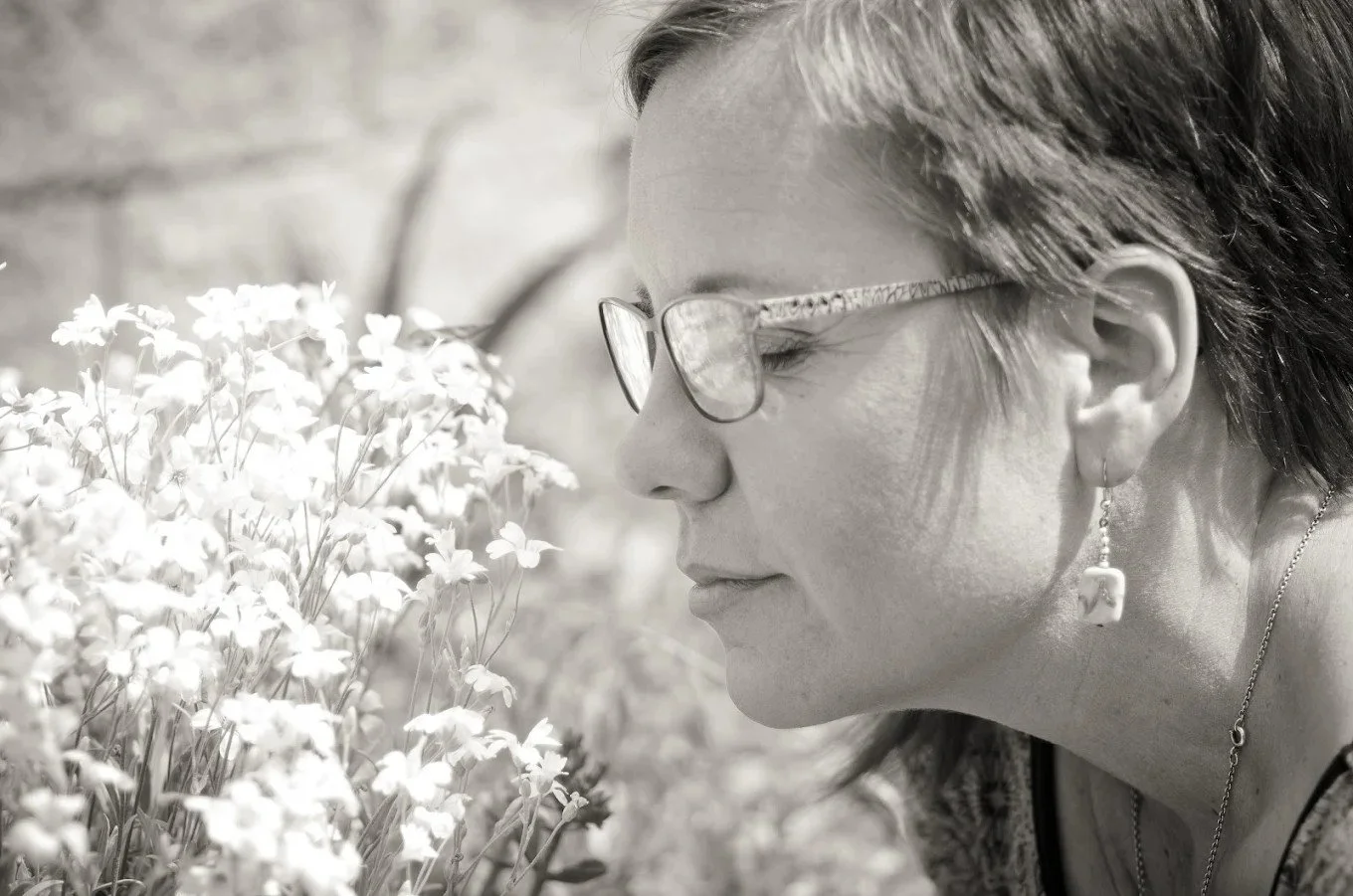
Ludmila Kotalíková, aromaterapeutka
Jaká vůně se vám vybaví, když se řekne domov? 🏡
A jaká se vám vybaví, když myslíte na jaro, na moře, na prázdniny u babičky, na maminčin koláč? 🥧
🧴Napadlo vás, že některé z nich už možná nikdy v životě neucítíte? Kdyby existovala možnost, chtěli byste se do těch momentů vrátit?
A co kdybyste ještě před smrtí mohli?
🎙️ Do našeho podcastu přijala pozvání Ludmila Kotalíková, aromaterapeutka a zakladatelka Aromadoteků!🎙️
🌿 Aromaterapie v paliativní péči není o „hezké vůni“.
Je o paměti, emocích, bezpečí, o návratech domů – i kdyby jen v mysli.
Když už umírající nemá slova, ale stále cítí.. 🤲
💭 Jak pomocí vůně a doteku umírajícímu ulehčit?
🌿 Kde vůbec s aromaterapií v paliativě začít?
🥀Jaké oleje použít pro zklidnění, pro lepší spánek či naopak povzbuzení, ale i zahřátí, zchlazení, při refluxu, zácpě a suchých ústech?
➡️ Celý rozhovor si můžete pustit v našem podcastu
Jak se nebát smrti? Je to jednodušší, než se zdá. Triky pro překonání strachu podle pohřebního průvodce
Strach ze smrti se dá zmírnit
Chcete vědět, jak vyzrát na smrt? Je to jednodušší, než si myslíte: Stačí ji přijmout. Dát jí akceptační pusu. To je náš tajný trik. Všechny ty úzkosti a ten blbej pocit, že nemáte věci pod kontrolou? Většina strachu ze smrti mizí, jakmile pochopíte a přijmete, že je prostě součástí balíčku jménem Život.
Náš Oleg Vojtíšek napsal článek pro Vlastu, kde se populárním a jednoduchým způsobem mluví třeba o tomto:
1. Mluvte o smrti
2. Pohřeb je váš poslední velký projek
3. Chcete klid? Promluvte si s profíky!
4. Zanechte vzkaz
5. Každoroční garanční prohlídka
6. Žijte den, jako by byl váš poslední
7. Smrt blízkého se dá nacvičit
Tak si jej přečtěte. Třeba vás inspiruje.
Rozptýlení v lese i na moři. Forbes podcast, Oleg Vojtíšek s Julií Mahlerovou

Oleg Vojtíšek natáčí ve Forbes podcast s Julií Mahlerovou
"Když neuděláme pohřeb, zesnulý nás přijde strašit," říkávalo se kdysi.
Že nevěříte na duchy? Nemusíte. Zesnulý může "strašit" naší vlastní duši. Že si budeme říkat "měla jsem mu to říct, teď už je pozdě." Že se nikdy skutečně nerozloučíme a zůstane v nás nedopsaná kapitola, zející rána, kterou nikdo nezašil.
Od toho mají být pohřby. Mají nám pomoct překlenout období života se zesnulým, který tu náhle není.
Ale té smrti je potřeba dát trochu lásky. A jak na to bavil náš Oleg Vojtíšek s Julií Mahlerovou z Forbes v podcastu Jak být lepší.
Tak si ho běžte poslechnout, ať se také cítite lépe :)
Kde hledat naději? Bývalý evangelický farář Jaroslav Pechar a Oleg Vojtíšek
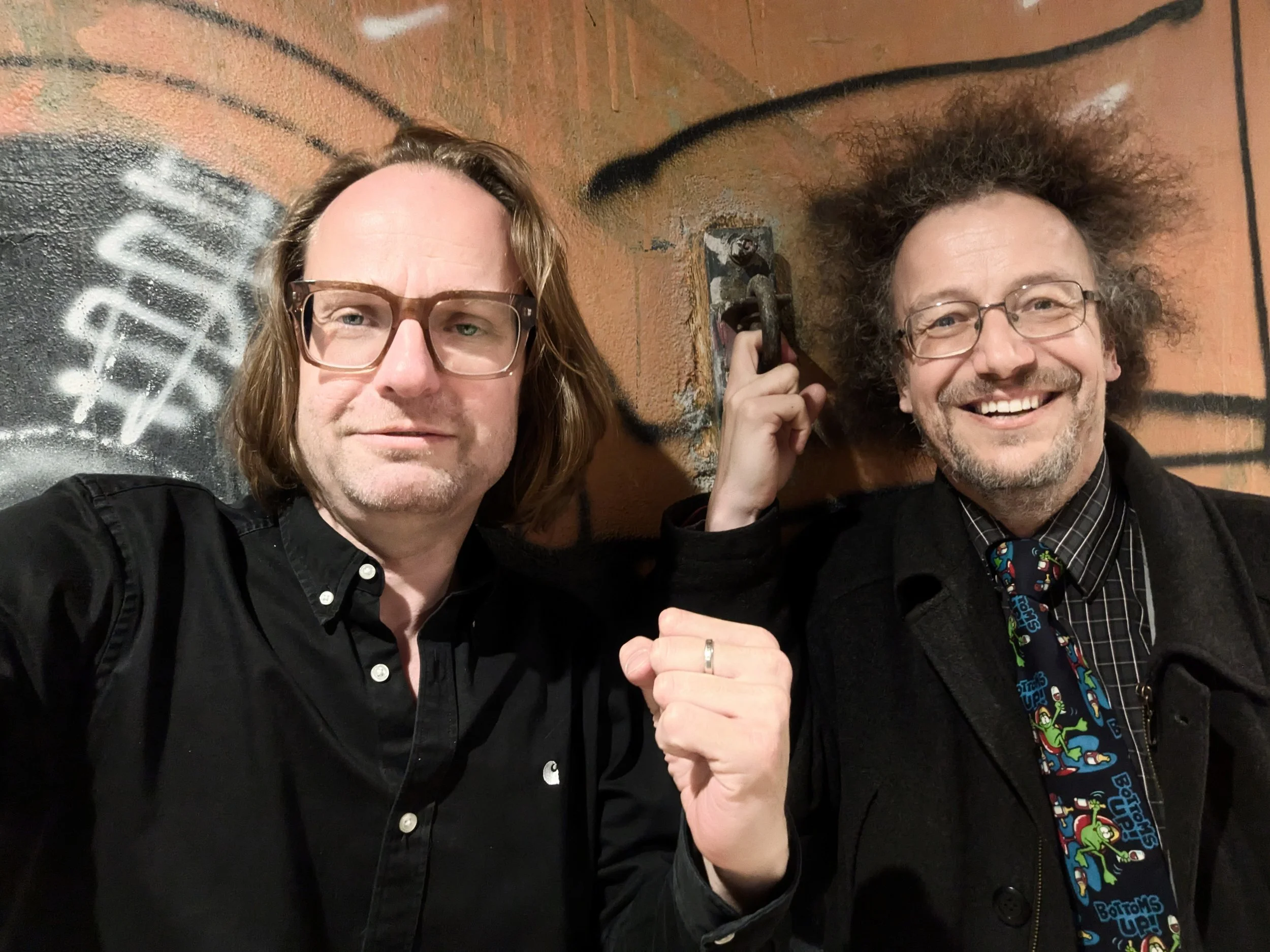
Bývalý evangelický farář Jaroslav Pechar a Oleg Vojtíšek
„Na pohřbu naší maminky pan farář kázal o nějaký kurvě.“
Aneb, nejen o tom, zda humor patří do pohřebních kázaní jsme se bavili s bývalým evangelickým farářem a páterem Jaroslavem Pecharem.
Je pohřeb pro zesnulé nebo pro pozůstalé? Máme jej dělat tak, jak by se to nebožtíkovi líbilo? Nebo tak, aby to pomohlo pozůstalým? Nebo má to být více o Bohu a naději na život věčný?
Mnozí z nás si představují, že když smuteční projev „rozbrečí i chlapy,“ tak je to ukázka nejvyššího možného obdivu. Ale… co kdyby vám odlehčil? Co kdyby se vám po něm ulevilo, co kdyby vás zbavil viny, nebo rozradostněl? Je cílem pohřbu se složit a rozbrečet ze smrti, nebo oslavit život? Co na páter Pechar? (Spoiler: na jeho pohřbech lidé vyprávějí historky, hraje se na kytaru a pokračuje se dlouho po bohoslužbě!)
„Smrt je nepřítel, který vyhrává bitvy, ale nikdy nevyhraje válku.“
Kde hledat naději, když umírám? A když nejsem zrovna věřící?
Co je po smrti páter Pechar nedokáže zodpovědět a nedokáže to zodpovědět žádná církev, ale ví, co tam není: není tam tma a prázdnota, protože je tam podaná ruka. To je ona největší naděje, kterou církev po smrti nabízí.
A stejně jako zesnulým podává ruku dle církve Bůh, pozůstalým ji podávají faráři jako páter Pechar. A ne svěcenou vodou, ani kouzelným proutkem. Ale slovem a příběhy. A občas zapnutým telefonem v jednu ráno.
Tak si jeho příběhy a vtipy poslechněte v našem podcastu na Spotify.
„V nebi se budem divit třem věcem: kdo tam je, kdo tam není, a jak jsme se tam do háje dostali my.“
Co dělat, aby kvalitní paliativní péče byla standard, ne štěstí? Jiří Krejčí z Pallia.
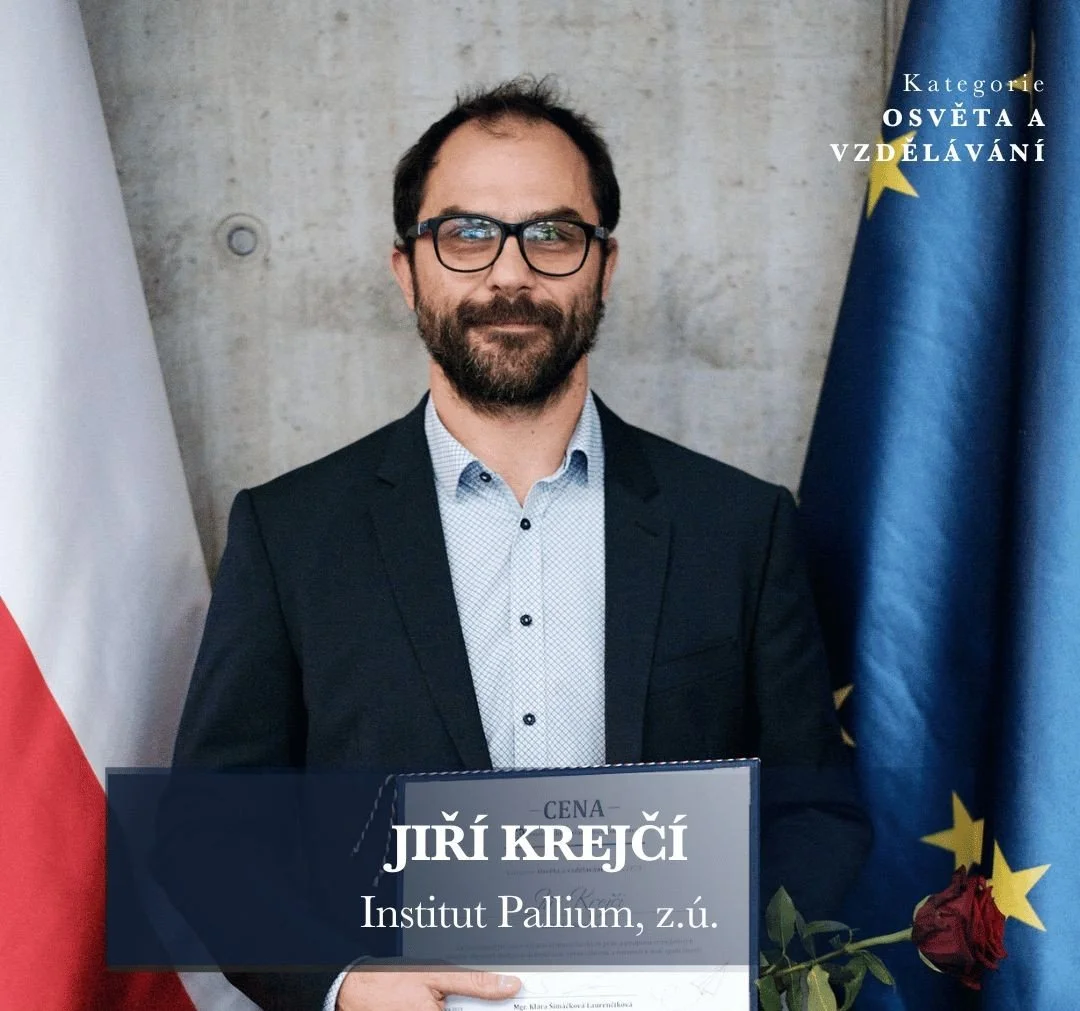
Jiří Krejčí, zakladatel institutu Pallium
“Pojďme měnit realitu lidem, kteří mají vážnou nemoc a kteří truchlí; aby pro ně byla snesitelnější” – to je vize Jiřího Krejčího z Pallia.
Před deseti lety se u nás paliativou takřka nikdo nezabýval. A za dalších deset let budeme mít třeba i systém, který se o potřeby umírajících skutečně zajímá a reaguje na ně.
A to i právě díky Pallium: organizaci, která pomáhá odborníkům z paliativní péče. Chce ji měnit k lepšímu. Aby kvalitní paliativní péče byla standard, ne štěstí při výběru.
Jak ale na to?
V nemocničních paliativních týmech třeba neexistuje nikdo, kdo by se věnoval čistě pozůstalým: všichni se o to nějakým způsobem snaží, ale je to nad rámec jejich vlastní specializace a většinou i časové dotace.
Policejní interventi nesmí doporučovat placenou pomoc – poradce pro pozůstalé, terapeuta a podobně. Řada lidí tak ani neví, že pro ně nějaká pomoc existuje.
Jedno z řešení je nalézt způsob, jak pomoc při truchlení platit ze státních peněz. Dalším je třeba zapojit laiky, kteří by pro pozůstalé vytvářeli svépomocné skupiny.
Jak mohou truchlící pomoci ostatním?
Ví vůbec lidé, co při umírání mohou chtít?
A dokážeme pacientům v paliativní péči a jejich pozůstalým skutečně pomáhat?
Tento díl našeho podcastu je tentokrát zajímavý hlavně pro odborníky. Tak schválně – kolik máme posluchačů z oblasti paliativní péče? Náš Oleg Vojtíšek s Jiřím Krejčím z Pallia na Spotify!
FOTO: 2. ročník Cen vládní zmocněnkyně pro lidská práva
Smrt může být klidná a blažená, říká pohřební průvodkyně. S babičkou jsem se o smrti bavila
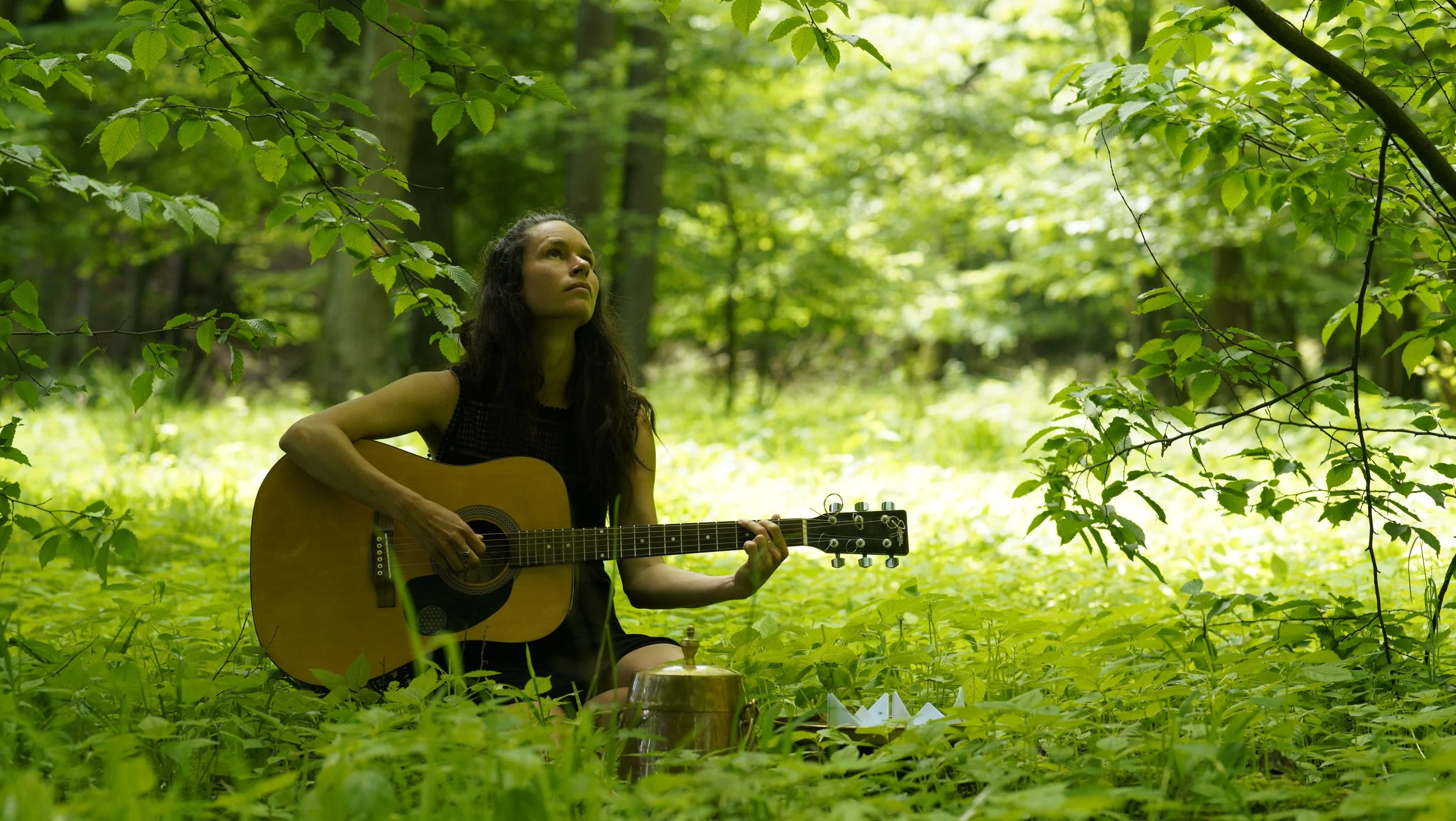
Pohřební průvodkyně Renata na lesním hřbitově
Smrt může být klidná a blažená, říká pohřební průvodkyně. S babičkou jsem se o smrti bavila
"Oslovil nás asi pětapadesátiletý terminálně nemocný muž a my spolu s ním a s jeho rodinou připravujeme závěr jeho života. Jsem s ním v kontaktu, píšu pro něho řeč, kterou on odsouhlasí. Je to úžasný příběh. Když jsem je navštívila, tak mě fascinovalo, s jakou pokorou a smířením svůj osud přijímají."
Renata Svoboda, naše Ren, začala s pohřebnictvím, protože zkušenost s vyprovázením babičky ji otevřela dveře do úplně nového života.
Takového, ve kterém se chtěla věnovat umírajícím a těm, kteří po nich zůstali. Provázet rodinu od momentů před smrtí až po pohřeb a mnohdy ještě dál, je totiž také součást práce Pohřebních průvodců a my jsme jen rádi, že se toho Ren ujala s takovým citem a péčí.
Pokud vás její příběh a její povolání zajímá, přečtěte si o tom v novém článku na Flowee. Kromě toho třeba i o tom, zda se naše profese může proměnit v necitelný obchod se smrtí.
Klára Brázdová a Oleg: Je truchlení chaos? Nebo je to bloudění lesem? A je pohřeb dialog?
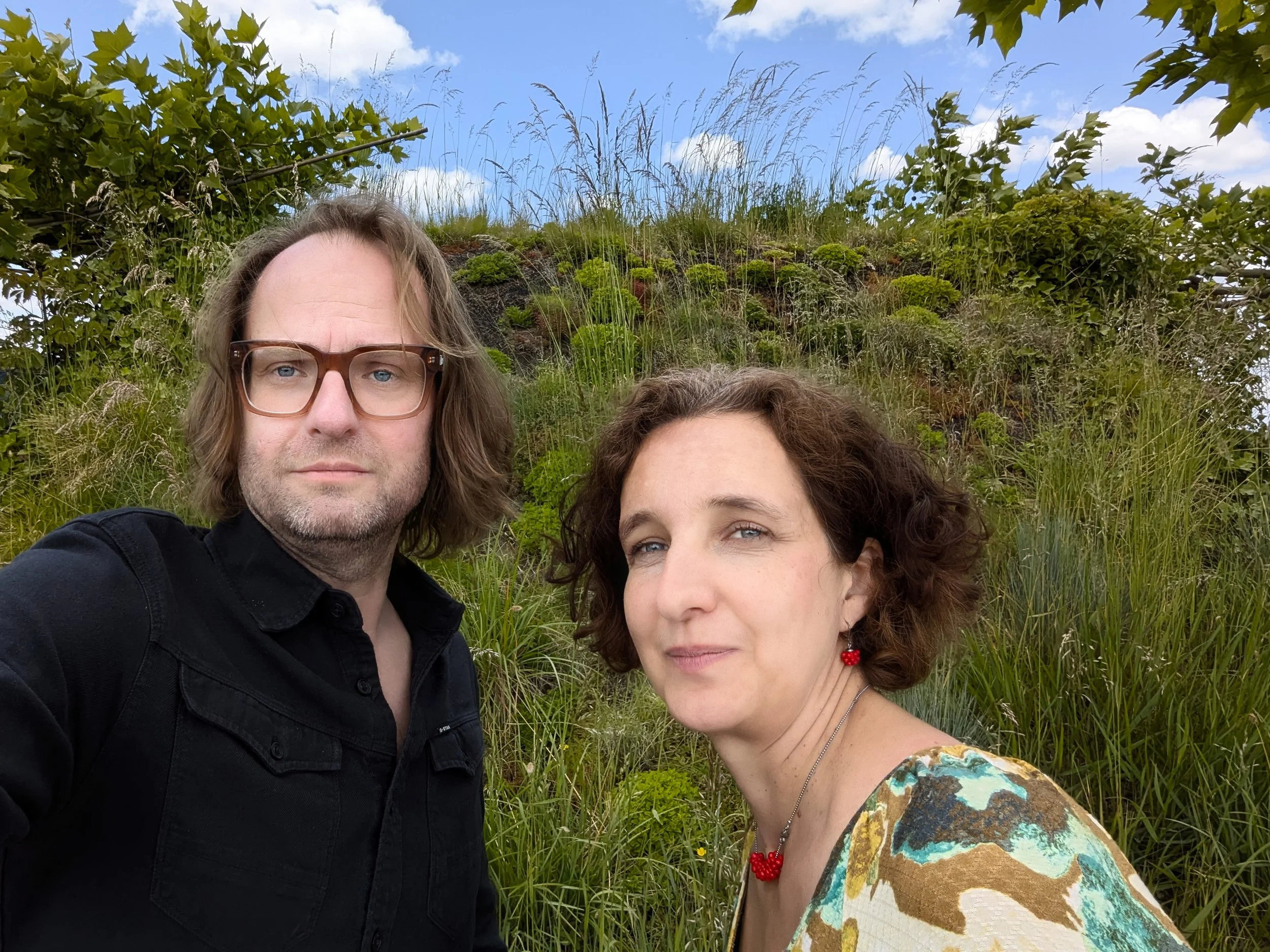
Klára Brázdová a Oleg Vojtíšek natáčí podcast na zatravněné střeše nad Prahou
Ohlušující ticho po smrti člověka.
A teď nemyslíme, když najednou doma zůstanete sami. Ale ticho, které přijde pokradmu: když po smrti blízkého dostáváte spousty zpráv, spousty pozornosti, otázek a lásky... a pak to najednou.. vyšumí.
Najednou se okolí rozhodlo, že je na čase jít dál. Ale vy tam ještě nejste.
Klára Brázdová se jako psychoterapeutka věnuje často pozůstalým a naše i její práce toho mají spoustu společného!
My jako pohřební služba často zvažujeme, kolik toho máme dělat za klienty: z pozice služby chceme dodat maximum. Jenomže truchlení je velmi specifická věc. Je potřeba lidi směrovat, aby se do truchlení pustili sami - třeba i přípravou pohřbu. A podobné je to i v terapii.
Klára říká, že se jí líbí, že my s pozůstalými vedeme dialog. Dialog o tom, co a jak chtějí. Co je vůbec možné. Dialog o zesnulém, co by si přál, co si přejí oni. O tom se s nimi lidé často bojí mluvit. Truchlící lidé jsou plně kompetentní a neměli bychom se k nim chovat jako k dětem.
Proč není dobré řídit se “odbornými” stádii truchlení?
V čem jsou si podobné truchlení a bloudění lesem?
A proč je fajn po pohřbu odjet do Nepálu?
Oleg se v našem podcastu bavil o truchlení s psychoterapeutkou Klárou Brázdovou a pokud se vás to týká, tak si to určitě budete chtít poslechnout!
Naše kolegyně Renata vypráví pro Květy o tom, jak vyprovodila babičku na poslední cestě

Z povídání našich klientů víme, že strávit s blízkými jejich poslední chvíle je dar ♥️, který lidem mění život.
🛤️Naše kolegyně Ren Svoboda babičku na její poslední cestě vyprovodila v rodinném kruhu 👫
I to ji poté motivovalo stát se pohřební průvodkyní 🏡
Více o tom, jak to s babičkou řešila se dočtete v magazínu Květy 🌺
Barbora Steinlauf: Máte nárok na klidnou smrt?
“Já už nechci žít, nech mě umřít…” Řekl vám tohle někdy umírající? Má nárok na to v poklidu zemřít? Dokážete na to odpovědět?

Barbora Steinlauf a Oleg Vojtíšek natáčí podcast v soumraku nad Prahou
Nejspíše ne. A mnozí lékaři nejspíše také ne.
Právní systém zdravotnictví v oblasti umírání velmi zaostává: dlouhou dobu byl budován tak, aby chránil lékaře a podpořil je v případě, že se dopustí nezakonného jednání. Barbora Steinlauf jako zdravotnická advokátka jde ale opačným směrem – chrání práva umírajících a snaží se šířt osvětu o tom, na co má člověk během umírání nárok.
Pokud nedokážete odpovědět na tyto otázky, určitě byste si měli pustit podcast, který natočil náš Oleg s Barborou Steinlauf:
Jak postupovat, když mi někdo umírá v nemocnici, a mám pocit, že se k němu nechovají dobře? A co když pojmu podezření, že zemřel chybou nemocnice?
Stačí jako informovaný souhlas skutečně jen podepsaný papír?
Když odmítnete lékařskou péči, přicházíte tím zároveň o paliativní péči?
A vůbec.. jak je na tom eutanázie (usmrcení na žádost) v kontextu českého práva?
A tím ještě nekončíme: Barbora zároveň nově spustila projekt O závěru života. Dejte své rodině vědět, jak chcete umřít, když už sami nebudete moct rozhodovat. Nebo se tam podívejte, jak o tom rozhovor s umírajícím vůbec vést.
Co říkat a neříkat rodičům po úmrtí dítěte
Máte ve svém okolí někoho, komu zemřelo miminko nebo i větší dítě? Chtěli byste ho nějak utěšit, ale nevíte jak? Připravte se na to, že rodiče, kterému zemřel syn nebo dcera, utěšit prostě nemůžete, není to v lidských silách. Na druhou stranu mohou být slova mocná a můžete jimi truchlícího rodiče pohladit po duši nebo taky bolavě ranit.

Adriana Kábová na břehu Vltavy, na Střeleckém ostrově
Když mně samotné zemřelo miminko, v mnohém mě překvapily reakce mého okolí. Některé mile, jiné nepříjemně. Nejvíce mě zarazilo, kolik lidí se stáhlo a předstíralo, že se nic nestalo. Uvědomovala jsem si, že asi nevěděli, jak reagovat. Ale vyhýbání se mně nebo alespoň tématu smrti dítěte mě mrzelo asi nejvíce.
Rodiče se po smrti dítěte často ocitají ve zvláštním vzduchoprázdnu a cítí se osaměle. A to jen proto, že jejich okolí neví, co říct, netuší, co udělat, a tak se raději stáhne a reakci na tak těžkou životní situaci se vyhýbá. Obavy z připomenutí zemřelého dítěte nejsou na místě, rodiče první měsíce jen těžko zvládají vůbec na něco jiného myslet.
Vedle ignorace bývá častým typem reakce úpěnlivá snaha vymyslet něco pozitivního, něco čím rodiče s prázdnou náručí potěšit. Jenže to prostě nemůže fungovat. Rodiče sice vnímají tu snahu o útěchu, absolutně se ale míjí účinkem.
Někdy jsem žasla nad tím, co mně lidi říkali. Chápu, že asi cítili potřebu nějak mě utěšit nebo potěšit. Ale nejednou to končilo tak, že mi jich vlastně bylo líto. Jak se v tom plácají a neví, co se mnou.
Doporučuji se spíše soustředit na věty, kterými smrt dítěte a tíhu žalu rodičů uznáte. Prosté “mrzí mě to”, “je mi to líto” někdy úplně stačí. “Upřímnou soustrast” někdo vidí jako ustrnulou frázi, ale má vlastně hluboký význam a patří určitě k těm vítanějším projevům sounáležitosti.
Slova, která mohou truchlící rodiče podpořit:
Je mi to moc líto.
Moc mě to mrzí.
Upřímnou soustrast.
Pokud se hodně dobře znáte, může být pro rodiče po úmrtí dítěte podporou i obejmutí. Je dobré se nejprve zeptat, jestli můžete, jestli to rodičům v dané chvíli bude příjemné. Respektujte bez urážky, když Vaši nabídku odmítnou, ne každý je zkrátka “objímací typ”.
Jsem tu pro Tebe a budu Ti naslouchat, kdykoli budeš potřebovat.
Neboj se mi kdykoli napsat, nikdy mě nebudeš otravovat.
Velmi potřebné je umět rodičům po smrti jejich dítěte naslouchat, často jim totiž pomáhá svou tíhu sdílet, ale málokdo chce o umírání něco slyšet. Uberte ze svých historek, co se stalo Vašim známým a co jim pak pomáhalo. Spíše se zajímejte o příběh nebo postřeh, který vám možná truchlící chce sdělit, ale často pro to není prostor. Dejte rodičům na vědomí, že jste připraveni je vyslechnout. Můžete říct třeba “jsem tu pro Tebe a budu Ti naslouchat, kdykoli budeš potřebovat”, nebo “neboj se mi kdykoli napsat, nikdy mě nebudeš otravovat”.
Chceš mi něco o (jméno dítěte) vyprávět?
A až budete zjišťovat, zda mají rodiče chuť a náladu s Vámi jejich trápení sdílet, je dobré nebát se zmiňovat jméno zemřelého dítěte. Mnoho lidí totiž tíhne k tomu jméno dítěte přestat vyslovovat, jako by najednou bylo zapovězené. Jenže pro rodiče je to pořád jejich milovaný syn nebo milovaná dcera, i když tu najednou nejsou. A když o nich najednou nikdo nechce mluvit, nikdo nechce ani vyslovit jejich jméno, působí to, jako by okolí najednou nechtělo uznat, že vůbec existovali.
Vždycky mě potěšilo, když se mezi známými našel někdo, kdo se nebál vyslovit synovo jméno. Hřálo mě u srdce, že aspoň někdo si ho zapamatoval, když tu pobyl tak krátce.
Slova, kterými většinou sypete sůl do rány:
Buď ráda, že máš ještě jedno dítě.
Jste ještě mladí, budete mít další.
Hlavně musíš myslet pozitivně.
Lidem se dějou i horší věci.
Vím, jak se cítíš, protože…
Příroda to tak chtěla. Mělo to tak být.
Vaše dítě je teď na lepším místě.
Ještěže nebylo už starší.
A uvažujete o dalším?
Věty začínající slovy “aspoň že”.
Vedle skupiny lidí, která se strachuje, aby rodiče svými slovy neranila a raději mlčí, je tu ještě ta část, která nad svými slovy vůbec nepřemýšlí a prostě něco plácne v domnění, že tak zármutek rodičů zmírní. Pokud mají rodiče ještě nějaké další děti, vždy se najde někdo, kdo to nezapomene zmínit. “Buď ráda, že máš ještě jedno dítě.” Ano, rodiče jsou určitě rádi, že mají ještě další dítě, ale to nijak nezmenšuje jejich žal. Podobně neúčinné jsou vlastně všechny věty, které začínají na “aspoň že…”. Aspoň že vy jste v pořádku, aspoň že to nedopadlo ještě hůř, aspoň že vám jinak všechno klape, aspoň že ještě můžete mít další děti a tak podobně.
A pak jsou tu ještě tací, kteří mají pocit, že přesně vědí, co rodiče po smrti dítěte prožívají. Protože někdo z jejich známých si prošel něčím podobným a oni vědí, co jim pomohlo a co teď rodiče mají a nemají dělat, co potřebují. Nikdy neříkejte větu “Vím, jak se cítíš, protože…”, protože to zkrátka nevíte. Každé truchlení je hluboce individuální a nikdo rodičům nemůže dát přesný návod, jak jím projít.
“Když náš Oliver zemřel, nebyla jsem schopna s nikým kromě manžela mluvit. Po příjezdu z nemocnice jsme byli několik dní v domě jeho rodičů. Všichni dělali, jako kdyby se nic nestalo. Třetí den si ke mně v obýváku přisedla tchýně a řekla, že přesně ví, co prožívám. Kdysi prý potratila. Začala mi dávat rady, co bych teď měla a neměla dělat. Zůstala jsem na ní zírat. A řekla jí, že absolutně netuší, co prožívám. Se slzami jsem odešla a až do našeho odjezdu jsme spolu znovu nepromluvily.”
Zkušenost naší klientky Evy B.
Nepomáhají ani dobře míněné soudy jako “příroda to tak chtěla”, “mělo to tak být” nebo
“vaše dítě je teď na lepším místě”. Pokud jsou myšleny tyhle výroky opravdu vážně, pak obsahují odkaz na spiritualitu, kterou ale rodič nemusí s mluvčím sdílet.
A protože se v naší společnosti obecně smutek ventilovaný na veřejnosti moc nenosí, okolí rodičů někdy neví, jak s ním naložit. A tak vznikají hlášky jako “nebreč, to vám ho/ji stejně nevrátí”, “hlavně musíš myslet pozitivně”. Stejně tak není vůbec nijak podpůrná hláška “lidem se dějou i horší věci”. Tlak na úsměv a pobídky k potlačení žalu popírají zažívané emoce rodičů a jejich potřebu truchlení.
Věta, která může ranit rodiče miminek zemřelých ještě v děloze nebo narozené velmi předčasně, zní “ještěže nebylo už starší”. Pozor na to, přímá úměra tady neplatí. Rodič prostě přišel o dítě. Tečka.
U miminek si odpusťte často slýchanou větu “jste ještě mladí, budete mít další”. Rodiče zažívají nepopsatelnou bolest, truchlí právě po tom jedinečném miminku, o které právě přišli. Tahle věta je jako facka do tváře. Navíc nemusíte znát přesné důvody úmrtí miminka, někdy může dojít i k zákrokům, po nichž už další otěhotnění ani není možné. A pokud jste nestáli rodičům po boku po celou dobu jejich truchlení, nepatříte mezi jejich úplně nejbližší, naprosto se vyvarujte takovým těm dotazům na potkání, aby řeč nestála: “A už uvažujete o dalším?”
Takže doporučujeme úmrtí dítěte rozhodně neignorovat, nepřecházet bez povšimnutí. Jen je zkrátka v takovém případě méně někdy více a “mrzí mě to” a “je mi to líto” jako první reakce úplně stačí. A pak se můžete rodičů ptát, v jakých praktických věcech jim můžete pomoct, případně rovnou nějaké navrhovat. Nejvíce ceněné pak bývá, když budete schopni rodičům a všemu, co chtějí sdílet, třeba i opakovaně naslouchat.
Autorka Adriana Kábová je poradkyně pro pozůstalé a pohřební průvodkyně, které zemřelo její první miminko.
Sebevražda je rakovina duše. Jak fungují sebevražedné myšlenky? Saša Kasal a Roksana Táborská.

Saša Kasal a Roksana Táborská z Národního ústavu duševního zdraví
Sebevražda je rakovina duše. Jak fungují sebevražedné myšlenky?
Mění se s věkem: čím mladší člověk je, tím je ohroženější – lidé si během života osvojí jiné techniky, jak problémy zvládat.
Mění se s pohlavím: páchají ji více muži, ženy se zase naopak častěji sebepoškozují (celosvětově na jednu sebevraždu ženy připadají 3 až 4 sebevraždy mužů).
Šíří se jako nákaza: pokud v jedné třídě dojde k sebevraždě, je to rizikový faktor pro všechny spolužáky.
Okolí to může zhoršit, stačí třeba říci “To mi nemůžeš udělat,”.
13 000 sebevražd za jeden rok – zhruba 4 úmrtí denně. Taková jsou data za rok 2022. Březen a duben jsou nejrizikovější.
Že je to teď těmi počítači? Ale vůbec ne. Počty od 50. a 60. let naopak stabilně klesají. Teprve od roku 2019 se začínají opět zvedat. Proč?
Příčina nikdy není jedna: covid, černé vyhlídky do budoucna, sociální sítě, dlouhé čekačky na psychology, návykové látky, dokonce genetická predispozice.
Co dělat, když s vám někdo svěří s úmyslem spáchat sebevraždu?
Vyhodí vás psycholog?
Lze nějak vyvinit rodinu?
Stigma tématu sebevražd jsme rozkrývali společně se Sašou Kasalem a Roksanou Táborskou z Národního ústavu duševního zdraví v našem podcastu.
Omlouváme se všem za nižší srozumitelnost mužských hlasů. Originální nahrávka byla silně poškozena a to, co slyšíte, je výsledkem pracné rekonstrukce.
Jak nám příroda pomáhá v čase ztráty
Když ztratíme blízkého člověka, svět, jak jsme ho dosud znali, se náhle promění. Čas se jakoby zastaví. To, co bylo pevné, se rozpadá. Co dřív dávalo smysl, najednou smysl postrádá. Bolest se může zdát větší, než jsme schopni unést. Vzniká prázdné místo. Ticho, které nejde obejít.
Právě v takových chvílích se nám příroda může stát oporou i útočištěm. Nabízí to, co v čase zármutku tolik potřebujeme – ticho, klid, léčivý zvuk, pohled i dotek. Prostor ke spočinutí. Blízkost bez slov, bez rad, bez tlaku. Pomáhá nám jemně zůstávat ve spojení – se sebou, s tím, co bylo, i s tím, co zůstává.
My, Pohřební průvodci, jsme teď začali zakládat lesní hřbitovy. Proto se propojení přírody a truchlení věnujeme mnohem více i v našich článcích.

Příroda přijímá i léčí
Ve chvílích zármutku může být příroda tím nejtrpělivějším průvodcem. Les, hory, řeka ani širé nebe nám nevnucují rady ani rychlá řešení. Neslibují, že „zase bude dobře“ ani nedávají instantní návody „jak být rychle v pohodě“. Nesoudí, nespěchají, netlačí na čas – jen tiše přítomně jsou. Přijímají náš smutek stejně přirozeně jako ranní mlhu nebo spadané listí. A právě tím nám dávají prostor jen tak být. Potkat se se svým zármutkem, zůstat s ním chvíli v přítomnosti, věnovat mu pozornost.
V období truchlení může být těžké zůstávat v přítomnosti. Samotná přítomnost často bolí – máme tendenci vzpomínat, být myšlenkami v minulosti, litovat, stáhnout se, otupět nebo se vyhýbat tomu, co cítíme. Právě tehdy nám však příroda nabízí jeden ze svých darů. Pomáhá nám jemně zůstávat tady a teď – s tím, co cítíme, i s tím, co nás obklopuje. Stává se útočištěm i pro ty nejtěžší emoce.
Klid, rytmus a tichá síla přírody nás pozvolna vracejí k sobě, do těla a k prožívání. V nekonečnosti oblohy můžeme najít zklidnění a pocítit, že dokáže unést i náš zármutek. Když se opřeme o strom, vnímáme tichou sílu, která nás podpírá. V pevnosti kamene nacházíme stabilitu uprostřed emočního víru. List nesený proudem vody může symbolicky odnášet i kousek naší bolesti. A stejně jako země přijímá déšť, přijímá i naše slzy.

Příroda jakoby se přirozeně ladila na naši bolest, aniž by ji zlehčovala nebo považovala za příliš velkou. Můžeme se k ní obracet jako k tiché svědkyni našeho zármutku. A i když se navenek zdá, že se nic nemění, její přítomnost nás obvykle naplňuje větší lehkostí a klidem. Možná právě v tomto tichém spočinutí se v nás začne pozvolna probouzet jemná vlna smíření – jako bychom najednou vnímali vše s větším nadhledem a otevřeli se přijetí toho, co je.
I tělo cítí ztrátu
Zármutek nepřebývá jen v srdci – zanechává stopy i v těle. Lidé v čase ztráty často popisují bolest na hrudi, sevřený dech, nespavost, podrážděný žaludek, úzkosti, vztek nebo propuknutí autoimunitního onemocnění. Nervový systém, zahlcený intenzivní emoční bolestí, přechází do stavu neustálé pohotovosti – tělo jako by nedokázalo najít klid, bezpečí ani odpočinek. A když je tělo v napětí, je těžké nejen fungovat, ale i zpracovávat smutek.
A právě v takovýchto situacích nám může příroda výrazně pomoci. Vědecké studie potvrzují, že pobyt v přírodě harmonizuje nervový systém: zklidňuje dech, snižuje krevní tlak i hladinu stresových hormonů, posiluje imunitu a emoční odolnost. Pomáhá zlepšit náladu a zmírňuje úzkost – projevy, které často provázejí zármutek. Z japonské tradice přichází pojem shinrin-yoku, doslova „koupel v lese“. Jde o lesní „terapii“, která vznikla v 80. letech jako odpověď na rostoucí stres moderního života. Nejde přitom o výkon ani o turistiku – je to pozvání ke zpomalení a bytí všemi smysly v přítomnosti stromů, světla, vůní a zvuků lesa.
Příroda tiše působí na naši fyziologii: stačí jít lesem a vnímat měkkost mechu. Přivonět k jehličí. Zastavit se u stromu a nechat si na tvář dopadat pruhy světla, které procházejí korunou. Všimnout si drobného hmyzu, který si razí cestu mezi listy. Dlaní vnímat drsnost kůry a naslouchat tichu, ve kterém se náš dech pomalu zklidňuje.

V tomto tichu se v nás začíná probouzet hlubší vnímání – nejsme jen myslící bytosti, které se nacházejí v přírodě; my jsme příroda. Naše těla, stejně jako stromy, vítr a půda, jsou úzce propojená s přírodním světem. A právě v tomto napojení se naše smysly otevírají, vnímavost k sobě i okolí roste, nálada se pozvolna proměňuje a naše tělo může znovu volněji dýchat.
Vědomá vzpomínka ukotvená v přírodě
Příroda nás může podpořit i v ukotvení vědomé vzpomínky na milovaného člověka, který odešel. Když někdo zemře, nezmizí jen jeho tělo. Proměňuje se i jeho místo v našem životě. Už není na druhém konci telefonu, u stolu, na návštěvě… a přesto zůstává. Ve vzpomínkách, gestech, slovech, v tom, co jsme si od něj odnesli – v našem srdci. Právě tato vnitřní přítomnost může být uzdravující, pokud jí dáme prostor.
Dát vzpomínce prostor znamená přijmout, že vztah smrtí nekončí, ale mění svou podobu. V tichu přírody si můžeme položit otázku: Co z toho, co jsme spolu žili, chci uchovat? Co chci nést dál jako vzpomínku, dar, poděkování?
Příroda k tomu nabízí jemné, konkrétní podněty. Pírko, které zapíchneme do mechu. Slovo zašeptané do dutiny stromu. List, který necháme odplout po potoce jako tichý vzkaz. Kámen, který nás zaujme svým tvarem a do kterého vtiskneme lásku, kterou dál neseme v srdci. Vědomá vzpomínka tak může dostat tvar, hlas i vyjádření.

Odkaz předků v rytmech přírody
Naši předkové žili v těsném spojení s přírodou a jejími cykly. Smrt pro ně nebyla tabu, ale přirozenou součástí života. Lidé se loučili u ohně, za zpěvu, v kruhu rodiny a komunity. Tělo zemřelého bývalo uloženo do země – v lese, na posvátném návrší, pod kamenem – na místě, které bylo součástí jeho života. Truchlení mělo svůj čas, prostor i rituály, které pomáhaly k návratu do života.
Dnes se k této moudrosti můžeme vědomě vracet a navázat na ni. Nechat se inspirovat přijetím života ve všech jeho podobách. Hledat laskavé a přirozené způsoby rozloučení. A opírat se o rytmus přírody, který tu byl dávno před námi a zůstane i po nás – o východy slunce, proměny ročních dob, koloběh zrození a odcházení. Rytmus, který zná smrt jako součást života. Rytmus, ve kterém příroda nabízí tichou oporu i prostor, kde smíme truchlit svým vlastním tempem – beze spěchu, s úctou k tomu, co bylo, a s nadějí, že život si pomalu najde novou rovnováhu.

Příroda nám ve chvílích ztráty nabízí tichou, ale silnou oporu. Dokáže unést všechno, co nás bolí – slzy, ticho i vzpomínky. Nacházíme v ní podporu pro to, abychom uctili památku našich milovaných, mohli se zastavit, naslouchat a spočinout. Může nám také pomoci se zamyslet nad svou smrtelností a najít útěchu ve vědomí, že i když procházíme složitým terénem smutku, nejsme v něm sami. Navazujeme tak na přístup našich předků – s úctou a pokorou k životu, ve smíření se smrtí a při nacházení podpory v rytmu přírody.
V klidu přírody a v opakujících se proměnách jejích cyklů nacházíme inspiraci, jak procházet smutkem, jak si dovolit prožít bolest a zároveň se nechat vést ke smíření – k vyrovnání se s naší ztrátou. Laskavě nás vede zpět – k sobě, k životu, k novému začátku. V jejím tichém rytmu se může nenápadně zrodit jemný pohyb směrem k rovnováze, opětovné odolnosti a celistvosti. A právě v tom spočívá její hluboká moudrost i útěcha.