

Seznam přírodních hřbitovů
Tento seznam původně obsahoval jen naše vlastní přírodní hřbitovy. Postupně jsme ale zjistili, že o mnoha místech lidé neví. Některé dokonce neměli ani jednoho pohřbeného. Tak sem postupně přidáváme všechny. Možností je víc, než se na první pohled zdá, a každá nabízí trochu jiný prožitek. Pokud máte ke hřbitovům jakékoliv doplnění, opravy, fotografie či odkazy, pošlete nám je, rádi je sem doplníme.
Les Vzpomínek Ďáblický hřbitov
Hřbitov provozují Hřbitovy a pohřební služby hl. m. Prahy
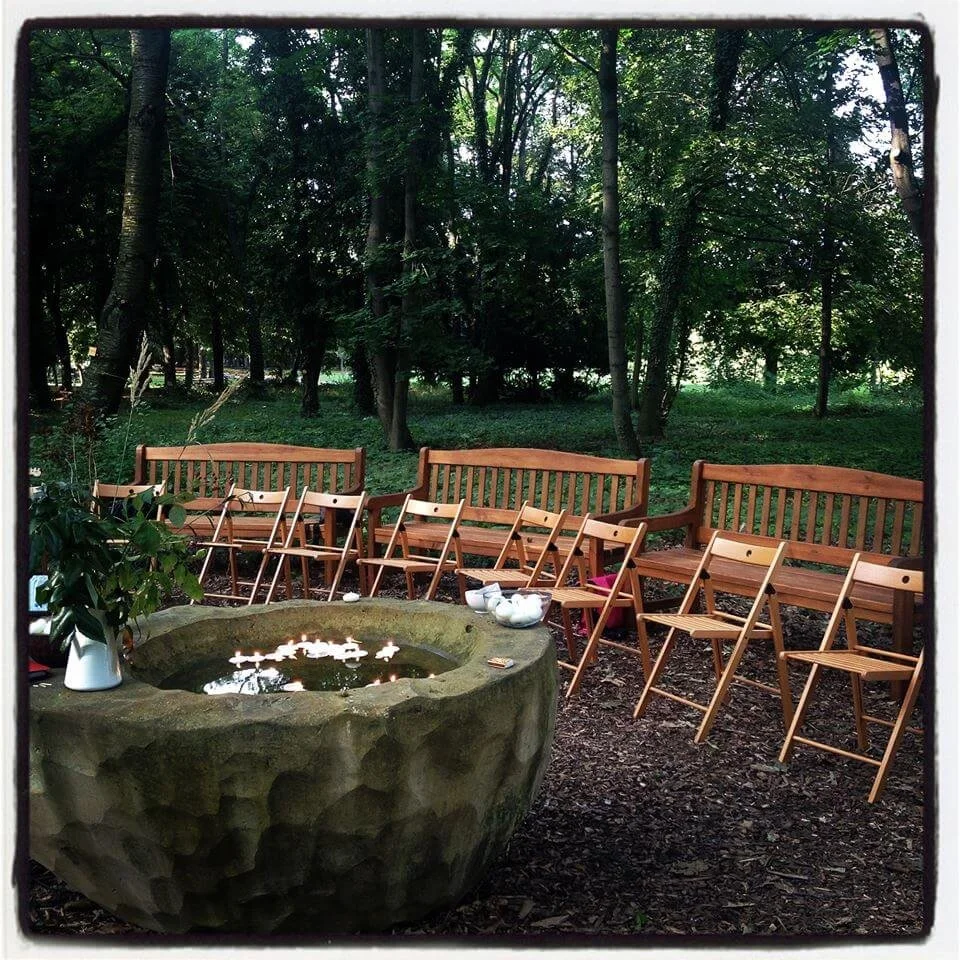
Les vzpomínek Ďáblický hřbitov je první český přírodní hřbitov, kde se ukládá popel zemřelých ke kořenům vzrostlých stromů.
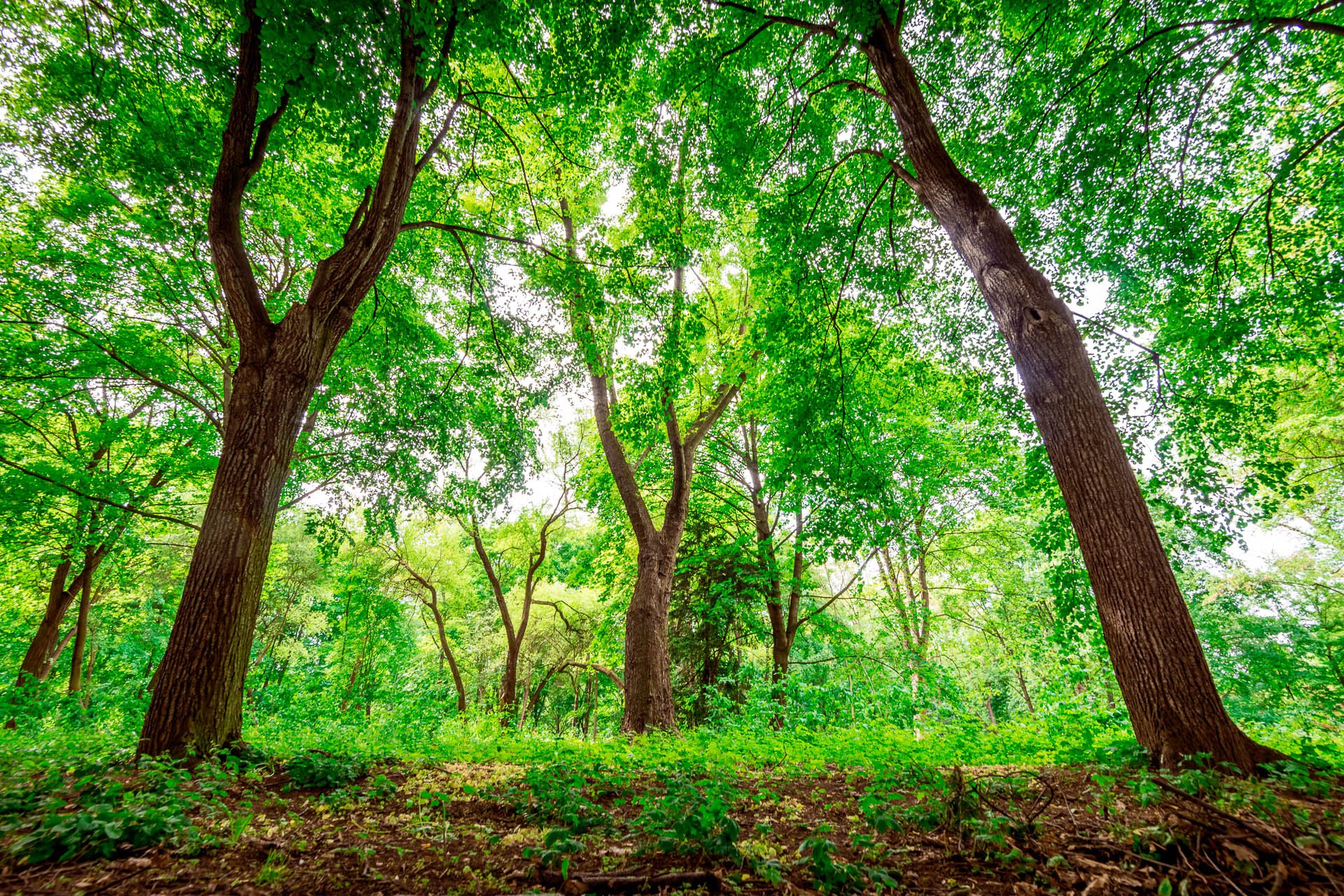
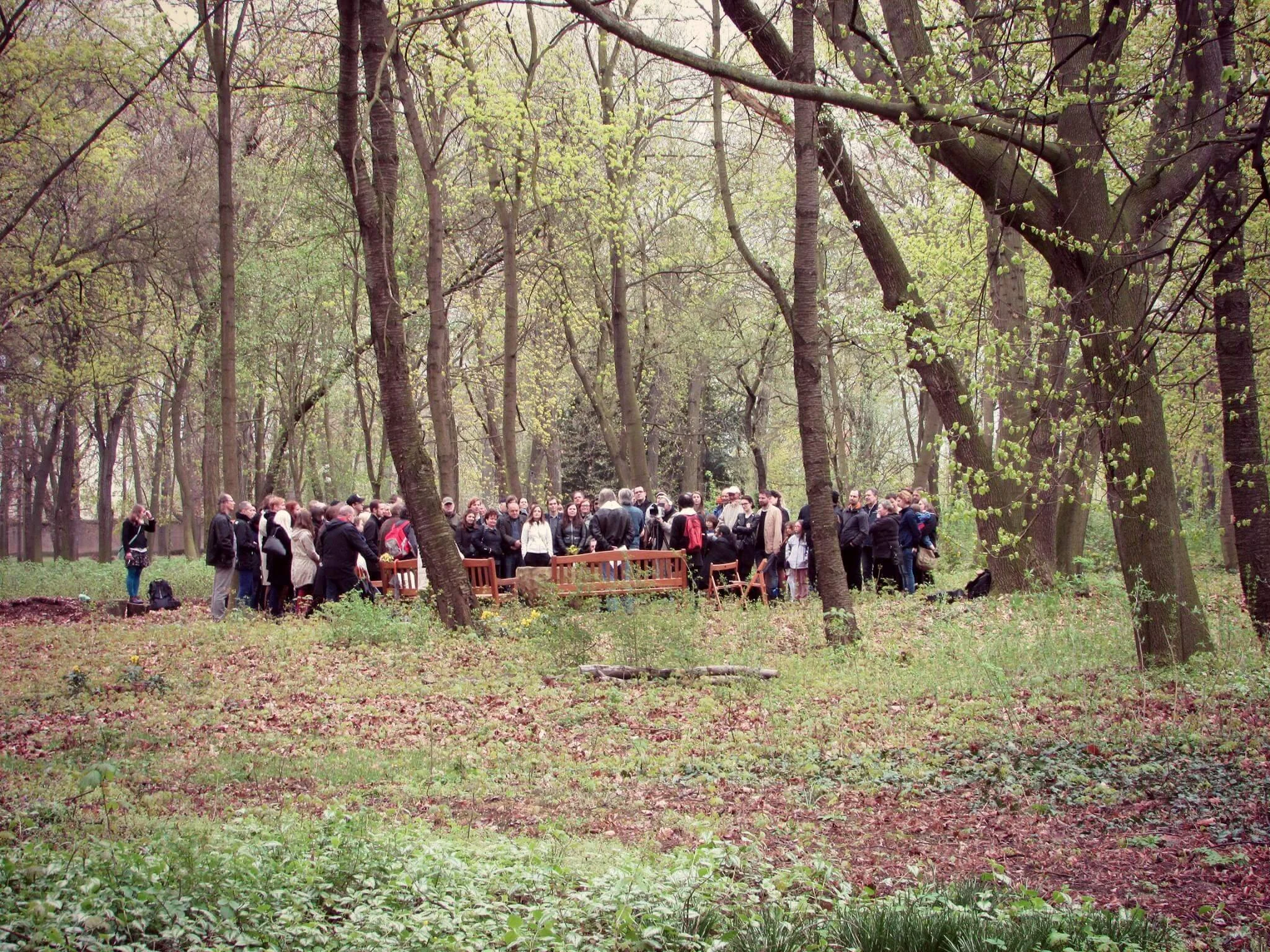
Vznikl v roce 2015 jako součást Ďáblického hřbitova v Praze a byl společným projektem organizace Hřbitovy a pohřební služby hl. m. Prahy a organizace Ke kořenům. V Lese vzpomínek nejsou žádné náhrobky, místo nich jsou zde vzrostlé stromy – třeba javory, lípy, ptačí třešně. Popel se ukládá do jamky u stromu vsypem či v ekologické rozložitelné urně.
V tomto Lese je hezké obřadní místo, které využívá nádobu s vodou, tzv "skořápku", a také je zde možnost využít oheň.
Hned vedle Lesa je další krásné obřadní místo - kruhové sezení na Louce Vzpomínek. Ale třeba také hezká pseudokubistická tradiční obřadní síň.
Velkou výhodou tohoto Lesa vzpomínek je, že je dostupný MHD a využívá zázemí Ďáblického hřbitova, jehož je součástí: mnozí ocení možnost například využít toalety u hlavní brány.
Fotografie: http://lesvzpominek.cz/
Les vzpomínek Halštatské hradiště
Provozují Pohřební průvodci
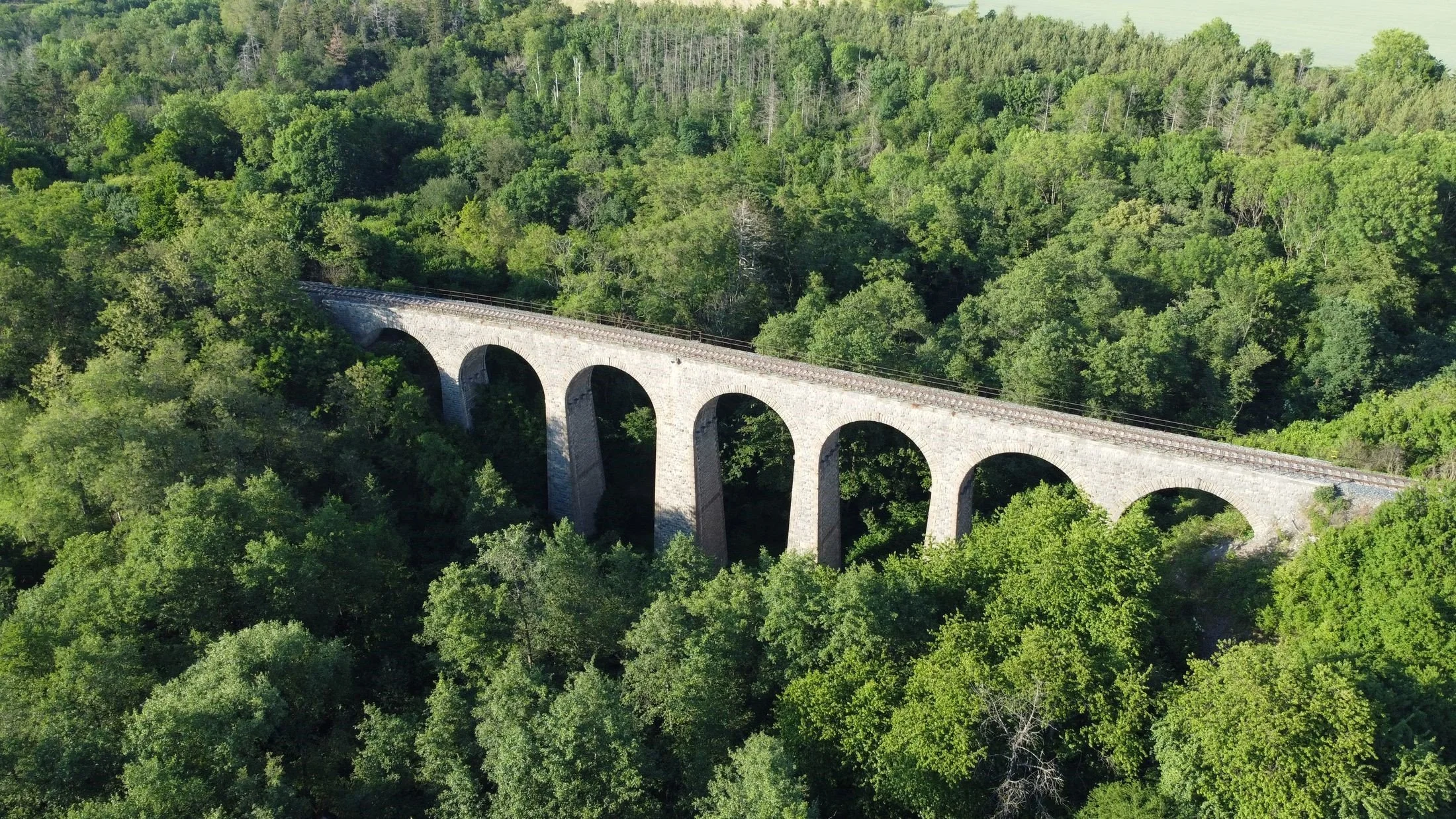
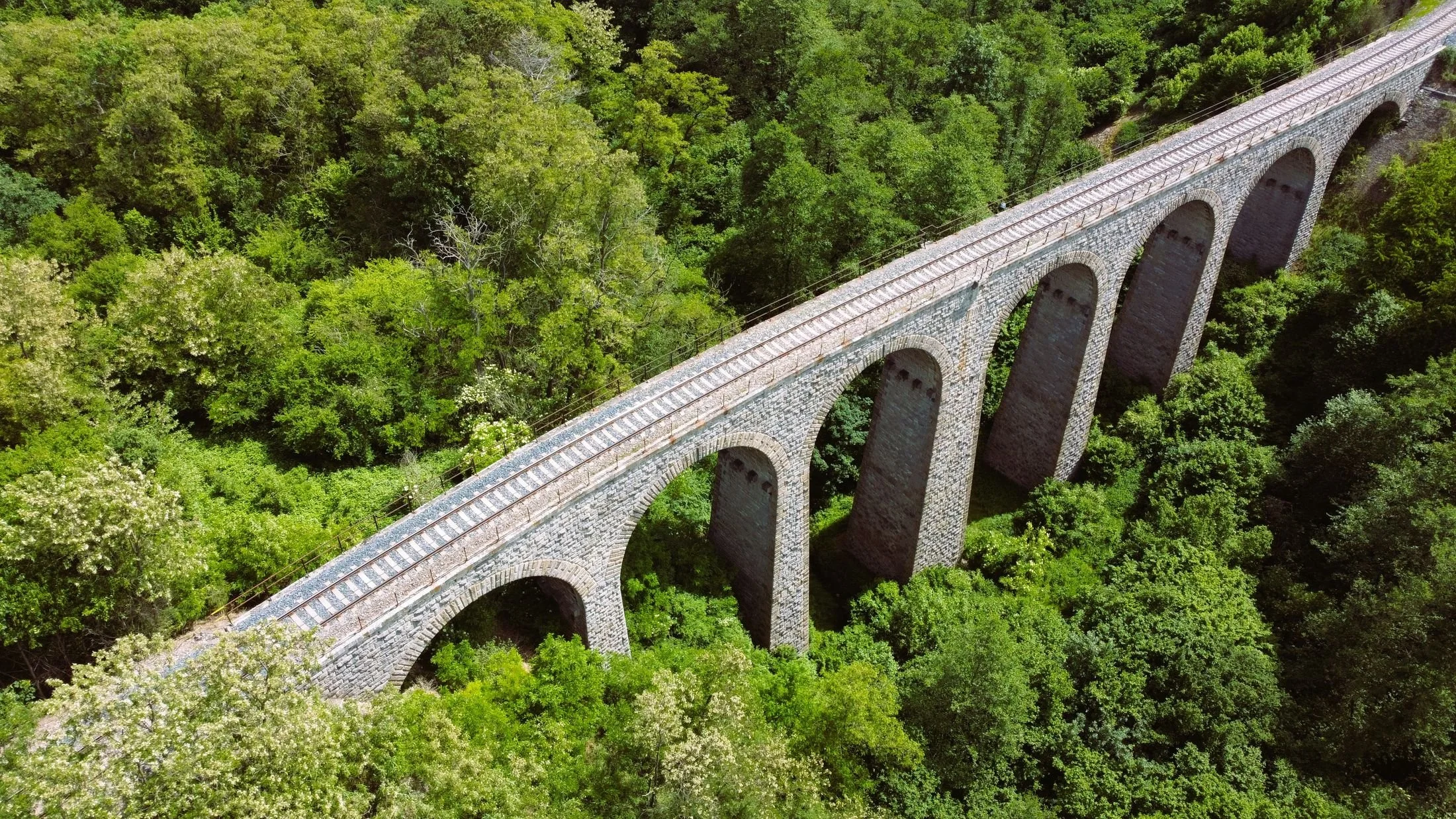
Mezi Kutnou Horou a Kolínem nečekaně narazíme na romantické skalnaté údolí. Hloubila jej zde miliony let říčka Polepka. Nad jejím levým břehem se před 3000 lety tyčilo halštatské hradiště s popelnicovým pohřebištěm. Náš lesní hřbitov je přímo na místě hradiště. Nad hradištěm i pohřebištěm se dnes klene novodobá technická památka: Hranický viadukt.


O hradišti
Halštatské hradiště “Na Homoli” stálo na skalní vyvýšenině nad levým břehem Polepky. Mohutný val hradiště měl kamennou konstrukci a násep, jehož základ tvořila popelovitá vrstva se zlomky halštatské keramiky. Tuto keramiku zde dodnes nacházíme, a to i v malé hloubce, dokonce i na polích. Terénní průzkum zde provedl ve 30. letech 20. století František Dvořák a v roce 1998 PhDr. Naďa Profantová, CSc.
O urnovém pohřebišti
V roce 1936 zde odkryl František Dvořák dva hroby ohraničené kamenným kruhem. V hrobech byly pod kamenným kuželem uloženy urny s pozůstatky zesnulých po žárových pohřbech lužické kultury lidu popelnicových polí, z období přibližně 1300 – 1000 př. n. l. Výbava hrobů zahrnovala šest menších mís - okřínků, jeden květináč, jeden větší okřín a dvě osudí. Najdeme je v muzeu v Kolíně. Na tu dobu a na hradiště jde o velmi chudou výbavu, proto lze předpokládat, že kolem jsou další, větší hroby s bohatší výbavou. Je však možné, že hroby byly významně narušeny při stavbě železničního viaduktu v roce 1900.

O železničním viaduktu
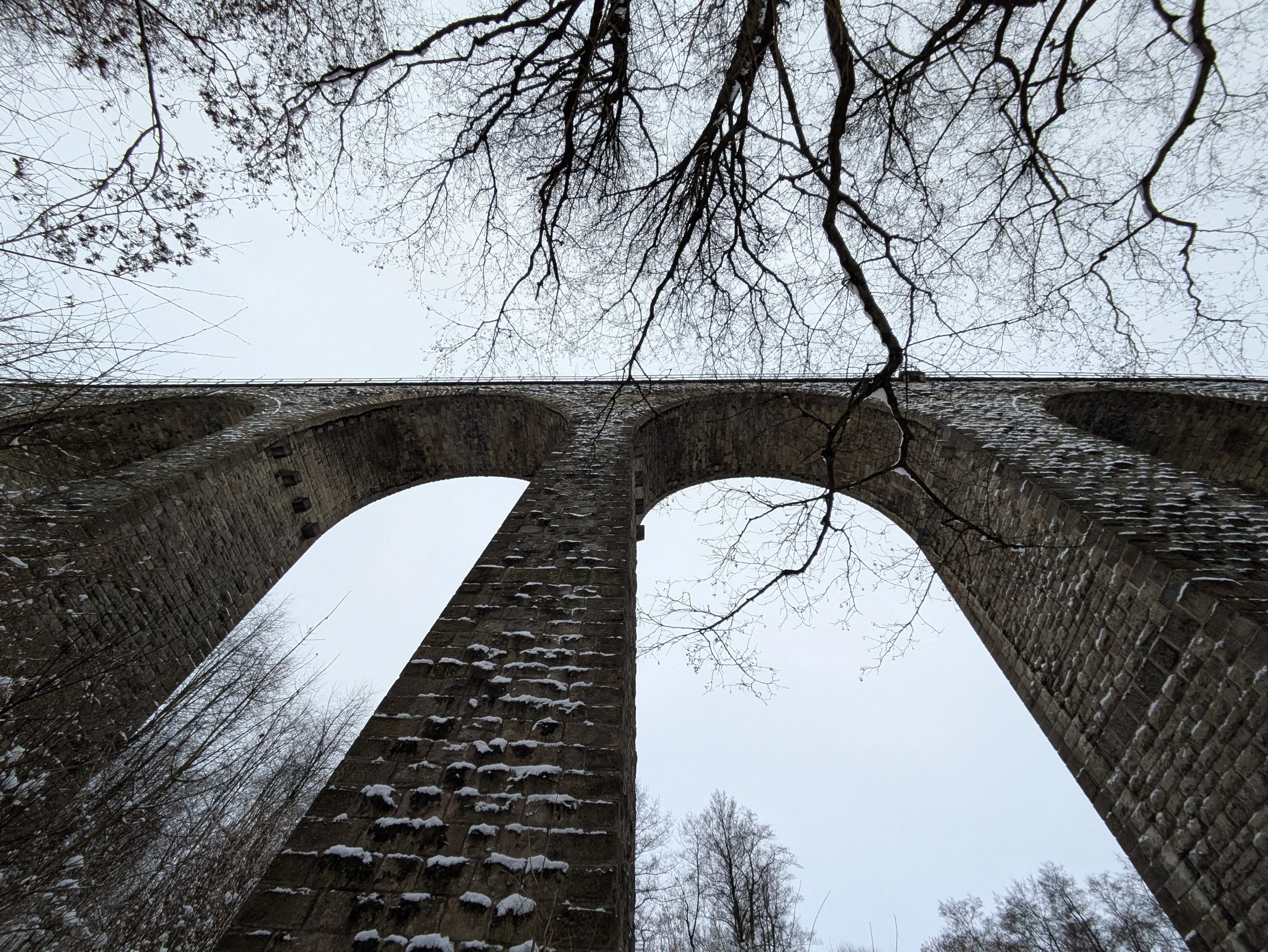
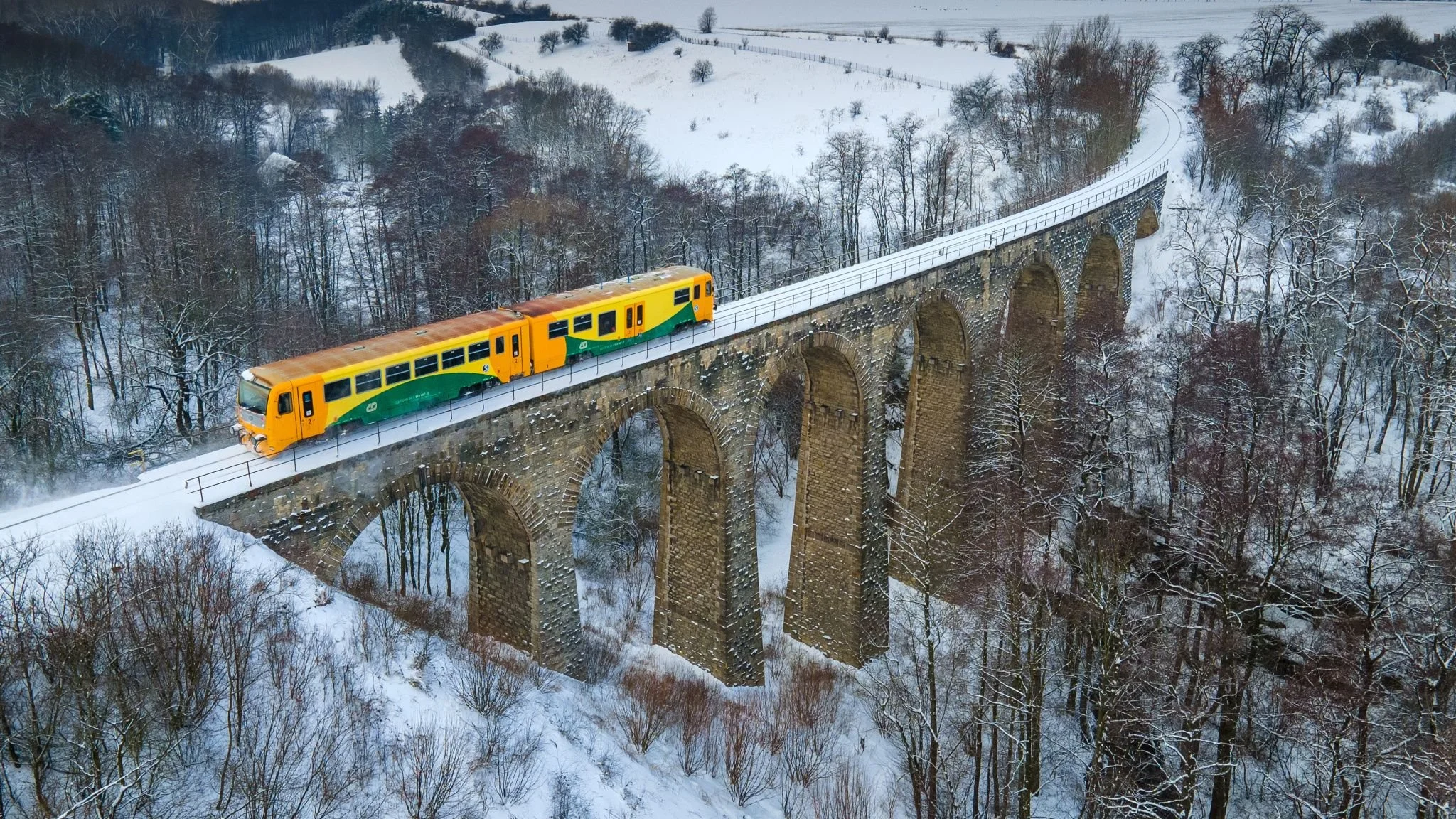
Kamenný železniční viadukt postavený v roce 1900 během pouhých pěti měsíců na trati Kolín – Rataje nad Sázavou firmou Ing. Osvalda Životského. Celková délka mostu je 109 metrů, nejvyšší výška nad dnem Polepského údolí činí 31 metrů. Je postaven z pečlivě opracovaných pískovcových kvádrů z kutnohorského pískovce a žulových bloků z lomů u Lipnice nad Sázavou. Zábradlí je stále původní, železné. Most se dochoval ve zcela autentické podobě bez novodobých modernizačních či rekonstrukčních zásahů a v dobrém technickém stavu. Na rok 2026 je plánovaná rekonstrukce viaduktu, našeho hřbitova se však nijak nedotkne - se Správou železnic komunikujeme a ladíme detaily.
Železniční viadukt byl 2. ledna 2009 prohlášen Ministerstvem kultury nemovitou kulturní památkou a zapsán do Ústředního seznamu nemovitých kulturních památek ČR pod číslem 103404.

O Františku Dvořákovi
František Dvořák (* 28. 11. 1896 Červené Pečky – † 10. 6. 1943 Drážďany), původně lékař, později významný archeolog. V roce 1924 se stal oficiálním správcem archeologické sbírky kolínského muzea, na jejímž uspořádání se ale podílel již jako osmnáctiletý student v roce 1914. Jeho unikátní archeologické objevy na Kolínsku přinesly muzeu postavení uznávaného mimopražského archeologického pracoviště a význam kolínského muzea v meziválečném období výrazně přerostl hranice města i regionu. V letech 1926–30 byl starostou městysu Červené Pečky.
Za války se zapojil do kolínské organizace Domácí odboj (známé také pod názvem Prstýnkáři). Poskytoval jí i prostory v kolínském muzeu. Před svým zatčením gestapem byl varován a stačil se ještě ukrýt v tajné skrýši ve sklepě svého domu v Červených Pečkách. Hlad a nedýchatelný vzduch jej ale přinutily po dvou dnech skrýš opustit. Do rukou gestapa padl 4. září 1941. Byl vězněn postupně v Kolíně, v Kutné Hoře, v Terezíně, v pankrácké věznici v Praze a nakonec v drážďanském vězení na Georg-Bähr-Strasse. Zde byl 14. ledna 1943 odsouzen k trestu smrti a 10. června 1943 popraven.

Les vzpomínek pod hradem Chlum
Provozují Pohřební průvodci
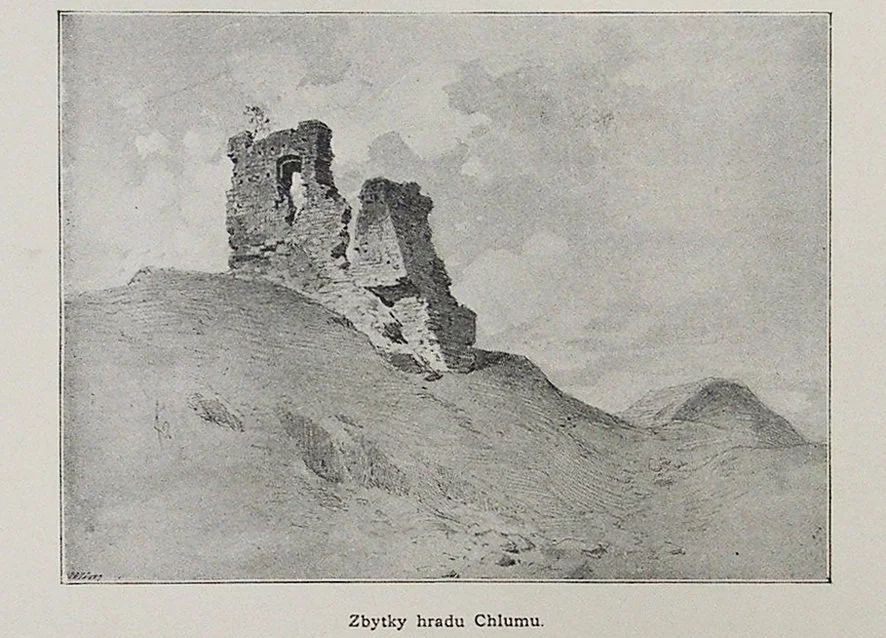
Hrad Chlum byl založen na místě původního starověkého hradiště po roce 1276 Vladykou Blehem, jehož rod se později stal v Čechách jedním z nejmocnějších šlechtických rodů, Slavatové z Chlumu a později z Košumberka. Rod se zjevuje v českých dějinách celkem často: například v roce 1415 páni Vilém Diviš a Jan z Chlumu přivěsili své pečetě na stížní list proti upálení mistra J. Husa. O 203 let později (23.5.1618) byl příslušník téhož rodu, císařský místodržící Vilém Slavata z Chlumu a Košumberka, z rozhodnutí českých stavů jedním ze tří osob vyhozených z okna Pražského hradu při Druhé pražské defenestraci.
Během třicetileté války hrad několikrát poničila císařská vojska a poté zpustl. Kámen z hradu používali místní obyvatelé jako stavební materiál při obnově vsi.
Foto: Ocelorytina J. Farka z knihy F. A. Hebera Böhmens Burgen, Vesten und Bergslösser – České hrady, zámky a tvrze IV., Prag 1844

Pod hradem Chlum je rybník, který napájí Chlumský potok.
A v meandrech Chlumského potoka se nachází náš hřbitov. Od hradu je vzdálen přibližně 200 metrů a spojuje je vyhlídková pěšinka. Obřady rozloučení můžeme udělat na hradu Chlum a pak se odebrat na hřbitov uložit zesnulého, ale možná hezčí místo na obřady je i přímo na hřbitově.
Hřbitov je v údolí, kde je opravdové soukromí, ale stále ještě dost slunce. Když jsme hřbitov připravovali, většinou jsme za celý den nepotkali vůbec žádného člověka. Ale potkali jsme běžně veliké stádo srnek, zajíce, datle, sůvy a dokonce lišku.
Foto: Veduta hradu Chlum. Obraz Karla Liebschera z knihy A. Sedláčka, Hrady, zámky a tvrze království českého XII., 1900. hrad XII. 210
Hřbitov je z jedné strany rámován meandry potoka, z druhé strany jsou meandry slepého ramena, které ožívá jen u jarního tání sněhu. Oba jsou lemovány stromy stáří 80 až 200 let. Nejčastěji zde roste jasan a olše, pak habr a dub, a výjimečně borovice.
Mezi nimi je velké poloosluněná rovná plocha, na níž je i Stromová kaple. Je to duchovní prostor, vytvořený stromy, jejichž kmeny vytváří sloupoví a větve klenbu. Nabízí příležitost k zastavení, rozjímání, usebrání, ale i k odpočinku na pěší nebo cyklistické cestě. A samozřejmě je místem pro konání pohřebního obřadu.
Rozptylová loučka je pak hned vedle - a je plná lesních květin.
Například na jaře na hřbitově rozkvétají rozkvétají tisíce bledulí – proto byla kousek od hřbitova v roce 1982 vyhlášena přírodní rezervace Velká a Malá Olšina.

Údolí vzpomínek v Brně-Líšni
Provozuje Správa hřbitovů města Brna
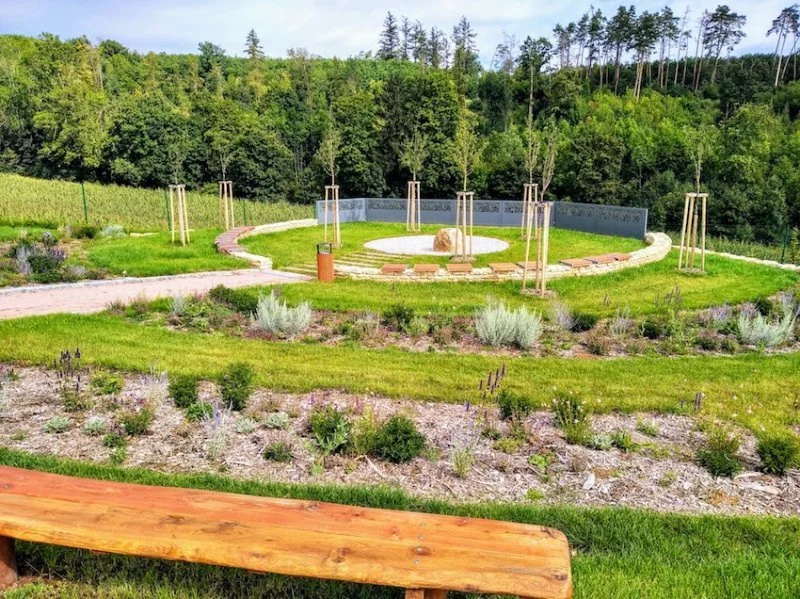
Při návštěvě svých předků v Brně - Líšni můžete zavítat i na část hřbitova, která mimo kolumbárií a rozlehlé plochy pro další hroby zahrnuje i pozoruhodnou sekci pro šetrnější alternativní pohřbívání zvanou Údolí vzpomínek.
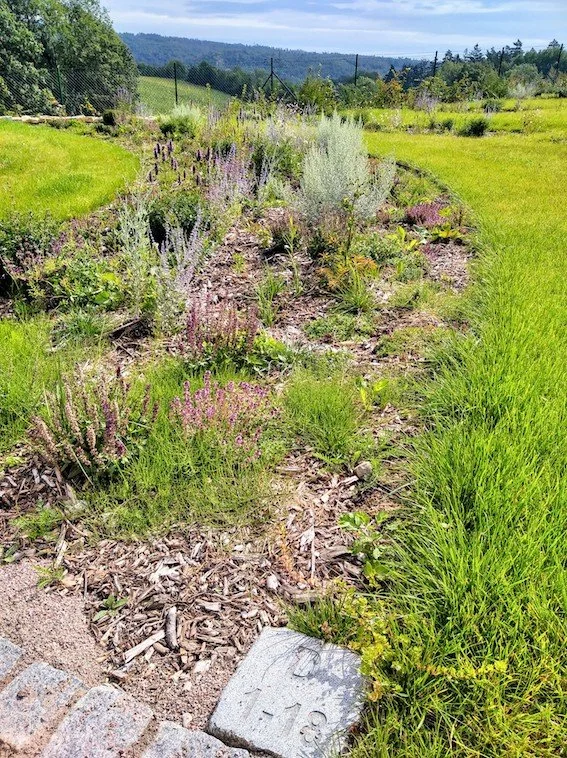
Skládá se z několika zasazených stromů a květinových záhonů, které jsou při okraji označeny kamenem. V centrální části dominuje tzv. Strom vzpomínek, kde pozůstalí mohou sa své zesnulé zapálit svíčky.
Stromy ještě nejsou vzrostlé, ale je zjevné, že místo je navrženo s citem a celkově působí příjemně.
Urny z ekologických materiálů nebo vsypem se po obřadu uloží do předem nachystaných jamek okolo květinových záhonů či stromů. Pozůstalí mají také možnost nechat vyhotovit cedulku se jménem a pověsit ji na plot k tomu určenému.
Podle vlastního čísla každého záhonu či stromu si lidé místo uložení zesnulého vyhledají pomocí aplikace GIS Brno.
Údolí vzpomínek se svým půvabným prostředí přímo vybízí ke společným setkáním s posezením a následujícímu uložení popela.
Zdroj fotografií: https://www.brno-lisen.cz/udoli-vzpominek-nabizi-alternativni-moznost-pohrbivani/t8524
Les vzpomínek Olomouc - Neředín
Provozují Hřbitovy města Olomouce
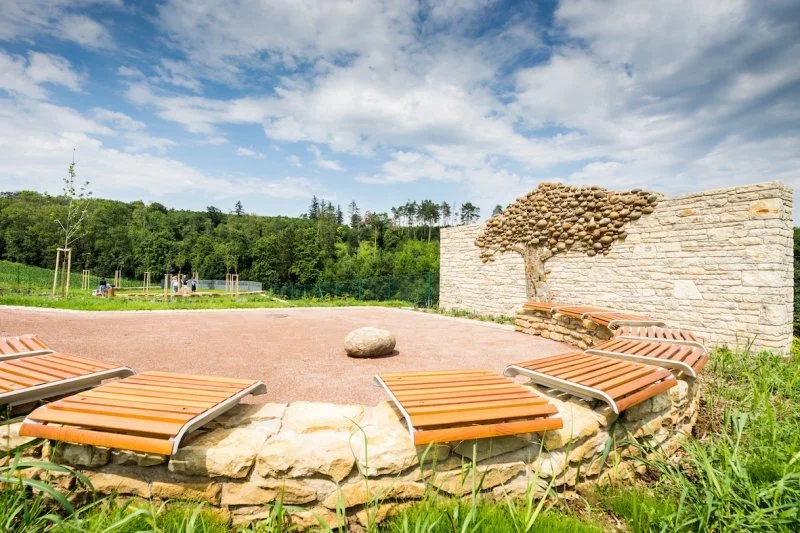
Na ústředním hřbitově v Olomouci, na ploše cca jednoho hektaru, můžeme najít pietní prostor pro přírodní obřady pod širým nebem. Projekt financoval investiční fond příspěvkové organizace Hřbitovy města Olomouce jako doplňující prvek k židovskému hřbitovu.
Díky sochaři Ondřeji Olivovi, který už má zkušenosti s dotvářením prostor s duchovním přesahem a zahradní architektce Ing. Olze Žákové, je přírodní hřbitov jedinečný svými uměleckými prvky a překrásnou výsadbou zeleně, která jen vybízí k procházkám a vnitřnímu rozjímání.
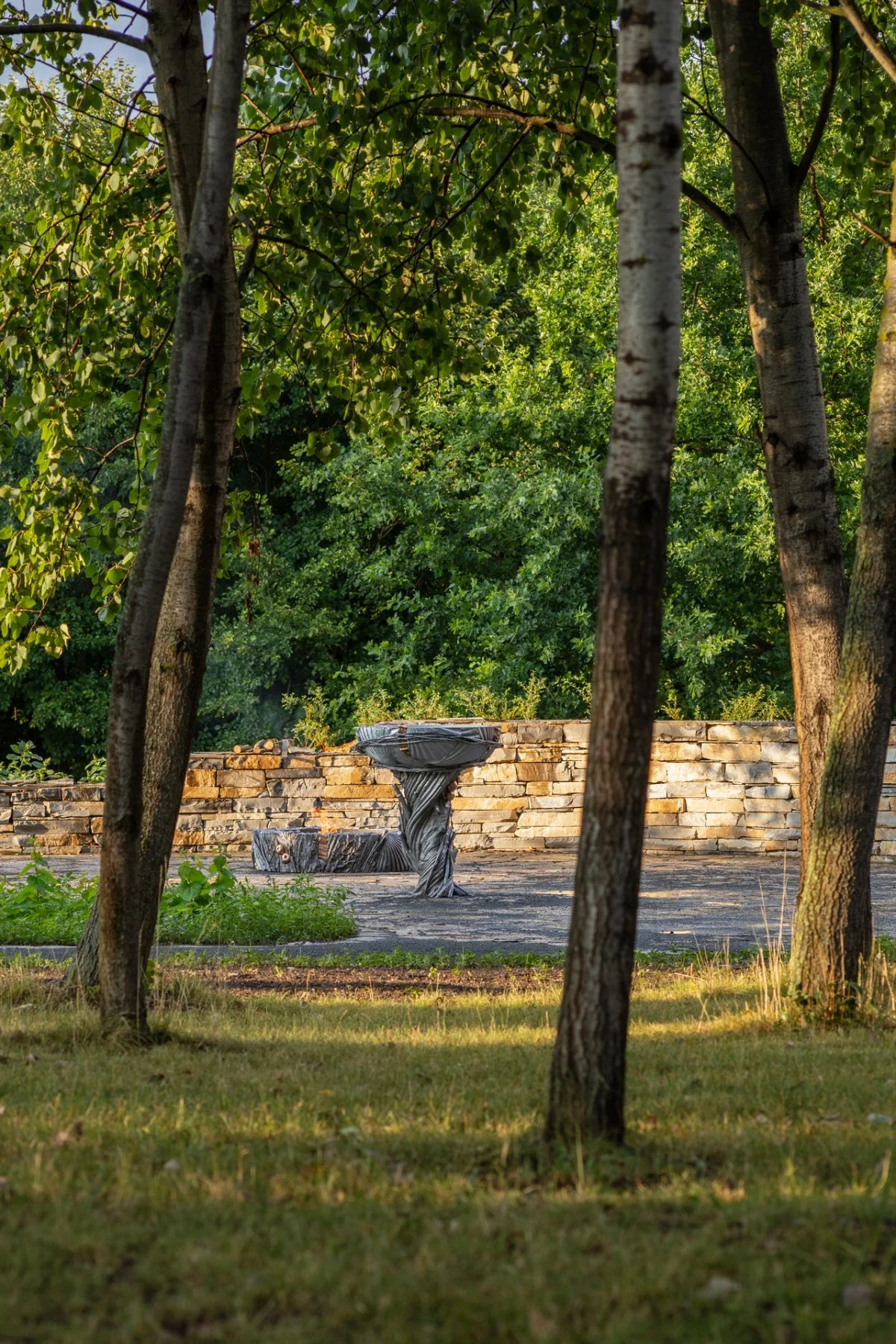
Popel zesnulých se vsypává ke kořenům stromů v Lese vzpomínek. Pietní místo se dá plně pronajmout pro pořádání smutečních obřadů v místě, kde jsou ve formě unikátních monumentů přítomny živly ohně a vody, které doplňují i země a vzduch jako symbol, že se tělesná schránka člověka opět stává součástí přírody.
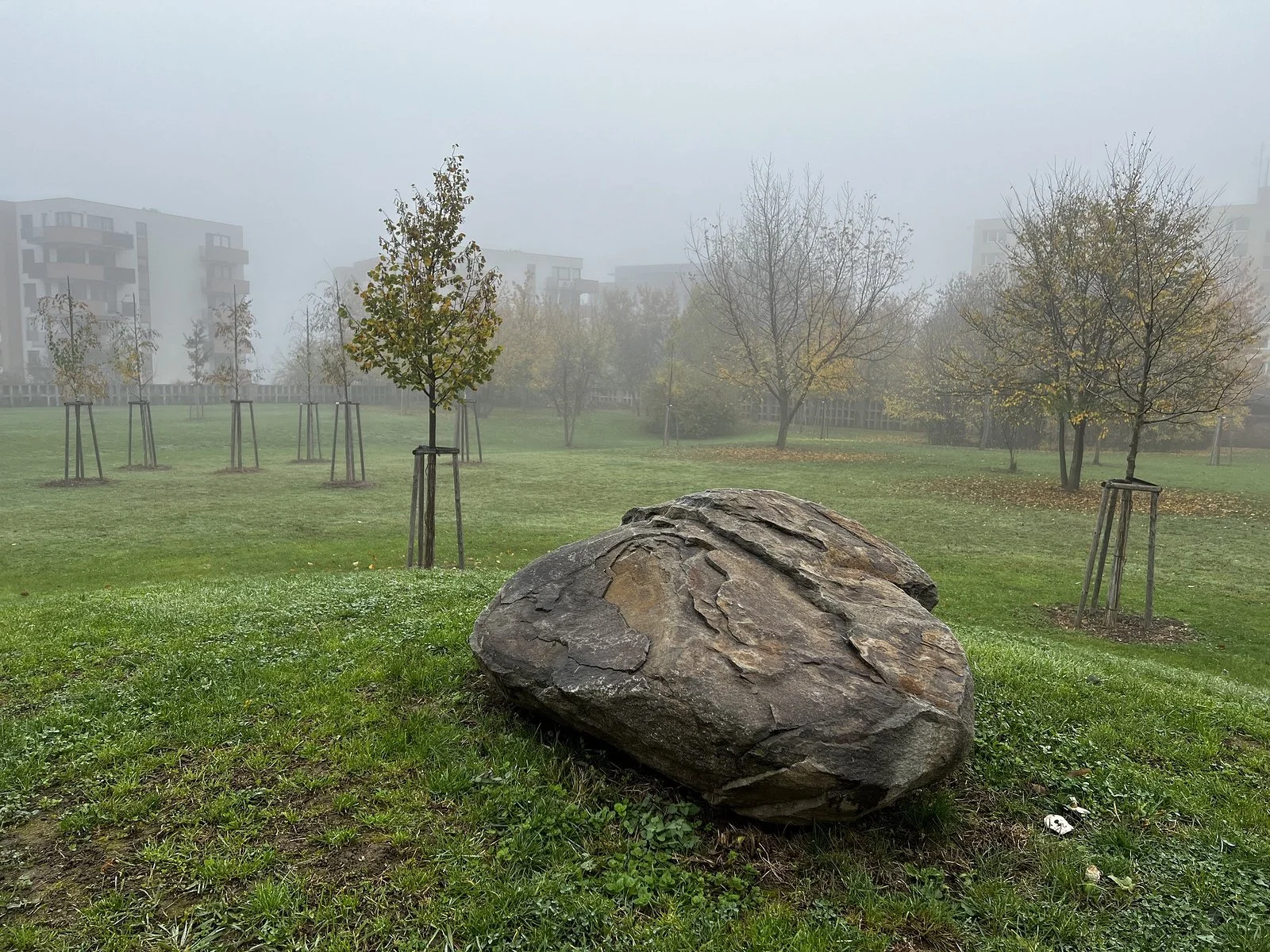
Dále procházíme skrz les z bílých topolů, květinovou loukou a samostatnými stromy střídající se s keři a trávníkem. Dorazíme až k pahorku uprostřed sedmi lip malolistých, na jehož vrcholu je takzvaný kámen odpuštěni. A když se rozhlédneme, naskytne se nám pohled na část lesa, malebné prostranství ve tvaru kapky a mlatové cesty.
Zdroj fotografií: https://www.hrbitovyolomouc.cz/les-vzpominek
Místo v srdci Písek
Provozuje: Eva Záluská a město Písek
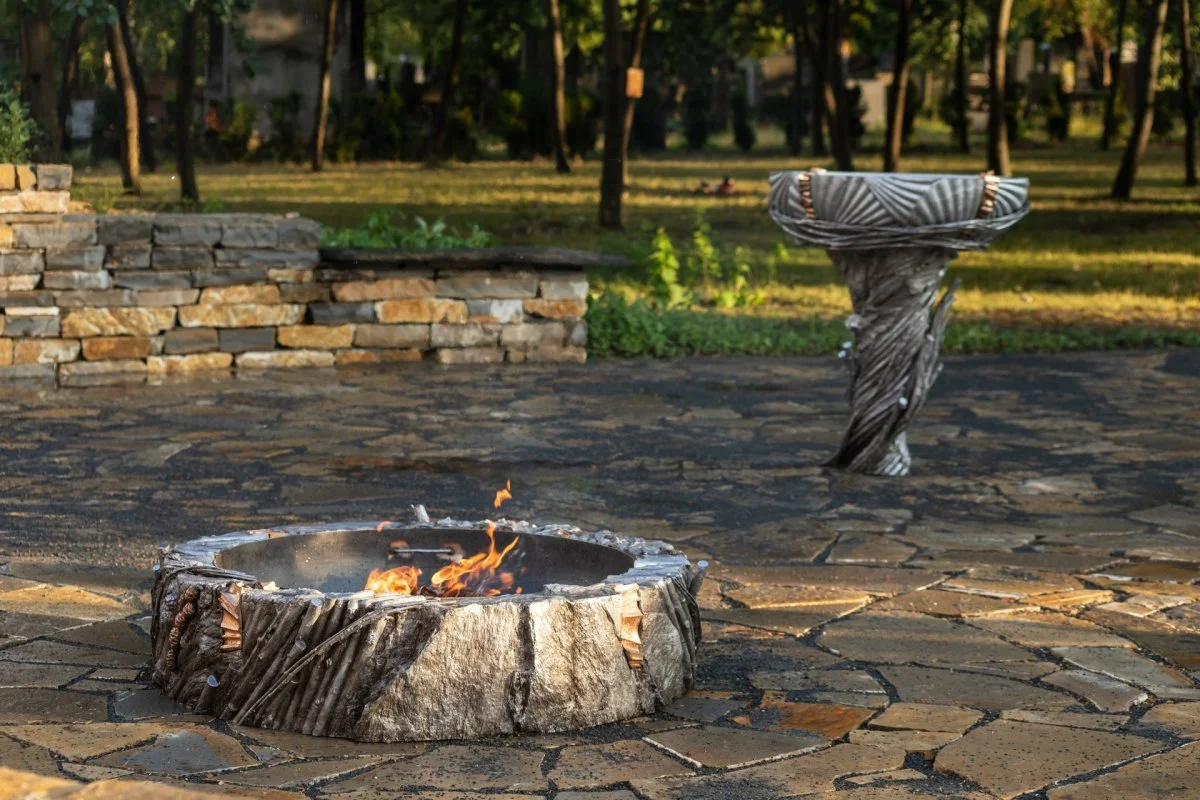
V areálu lesního hřbitova, který se nachází v kopcovitém terénu na kraji města, najdeme Pietní Místo v srdci.
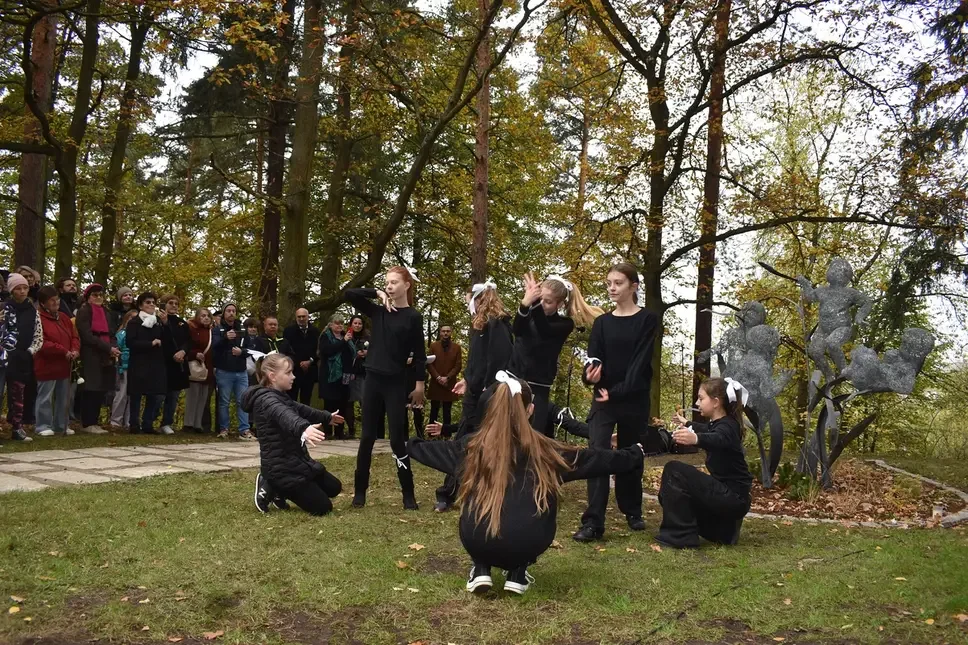
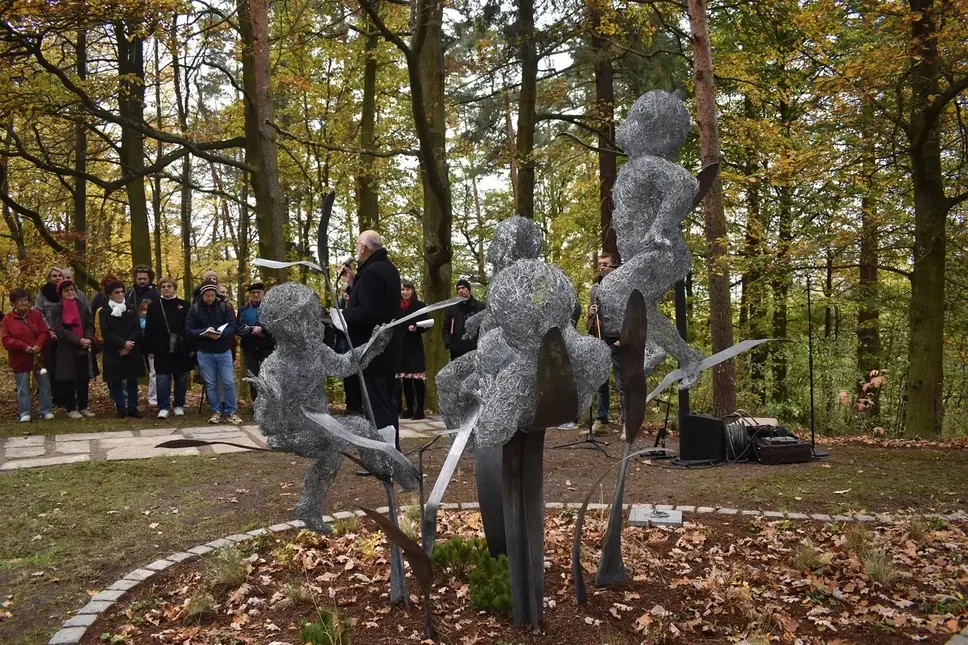
Je to místo sloužící k uctění památky dětí zemřelých v těhotenství, v době porodu nebo i krátce po něm. Poskytuje pietní zastavení, možnost dát místo ve svém srdci všem těmto miminkům. Vyzývá nás ke ztišení, tiché vzpomínce či modlitbě za děti i jejich blízké příbuzné.
Prostor umožňuje rozloučit se, vnitřně opustit a pojmenovat dítě, které už není fyzicky na tomto světě. Chce být místem, které pomůže v těžkém čase truchlení a smutku ze ztráty nejbližšího, dává šanci vnést lásku a útěchu do bolesti z nenahraditelné ztráty.
Projekt vznikl na základě iniciativy občanů, kterých se ztráta nenarozených dětí osobně dotýkala a na které odkazuje i 2000 rozkvetlých květů za každou z rodin. Navrhl jej místní architekt Martin Zborník.
Zakladatelé zdůrazňují i společenský význam místa: tabuizované téma smrti dětí se dostává do veřejného prostoru. Každý je pozván, aby na děti a jejich rodiny vzpomenul a stal se tak citlivý k bolesti druhých.
Fotografie (se svolením správce): https://pisecky.denik.cz/zpravy-region/pisek-pietni-misto-nenarozene-deti-potrat-lesni-hrbitov-dite-v-srdci/
Vzpomínky pod Lysou
Provozuje spolek Na druhý břeh
Díky spolupráci Města Frýdlant nad Ostravicí a spolku Na druhý břeh se 1. dubna 2023 na veřejném hřbitově v Lubně otevřelo přírodní pohřebiště. Bylo to první přírodní pohřebiště v Moravskoslezském kraji.
Dámy ze spolku chtěli vnést pohřbům nového ducha a novou formu. Místo studených a neosobních prostor kostelů a obřadních síní, využít atmosféru a krásu venkovního prostředí a v ní přirozeně uzavřít cyklus lidského života.
Na přírodním pohřebišti o rozloze 2 000 m2 nacházíme pietní hájek uprostřed klidné přírody s výhledem na magické Beskydy a Lysou Horu. V současné době se hřbitov pravidelně udržuje nejen pomocí spolku, ale i díky dobrovolníkům, kteří prostor připravují i pro konání obřadů.
Ekologicky rozložitelné urny zesnulých z tvrdého papíru, nelakovaného dřeva, proutí nebo nepálené hlíny se ukládají do květinových záhonů nebo ke kořenům památečního stromu (mimo uren je možný i přímý rozptyl). Místa se označují dřevěnou cedulkou na kmenech nebo kamennými oblázky v květinových záhonech.
Pod střechou listnatých stromů a v závoji přírody se mohou pozůstalí důstojně rozloučit s milovanou osobou a zastavit se v tiché vzpomínce.
Zdroj fotografií: spolek Na druhý břeh http://nadruhybreh.cz/
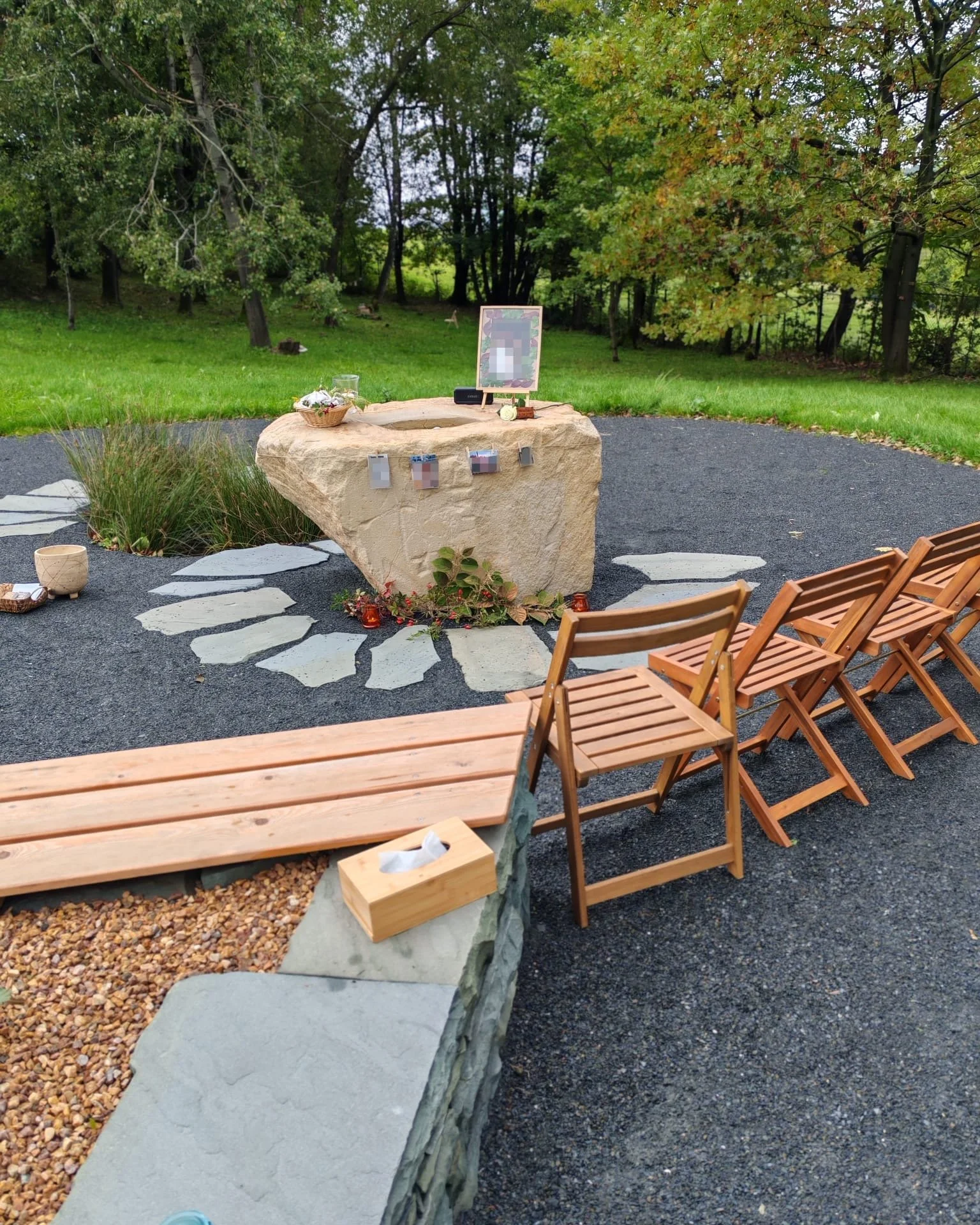
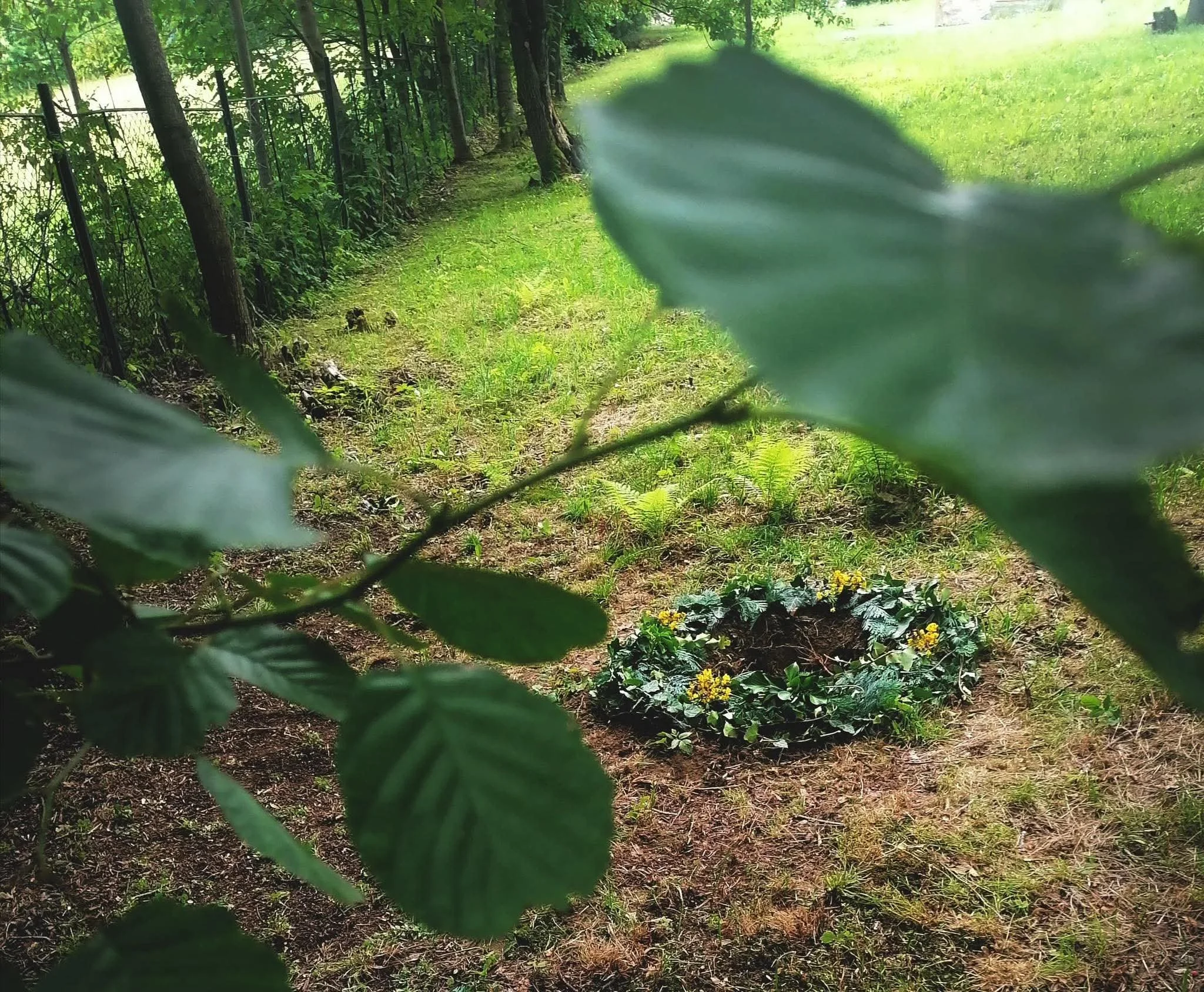
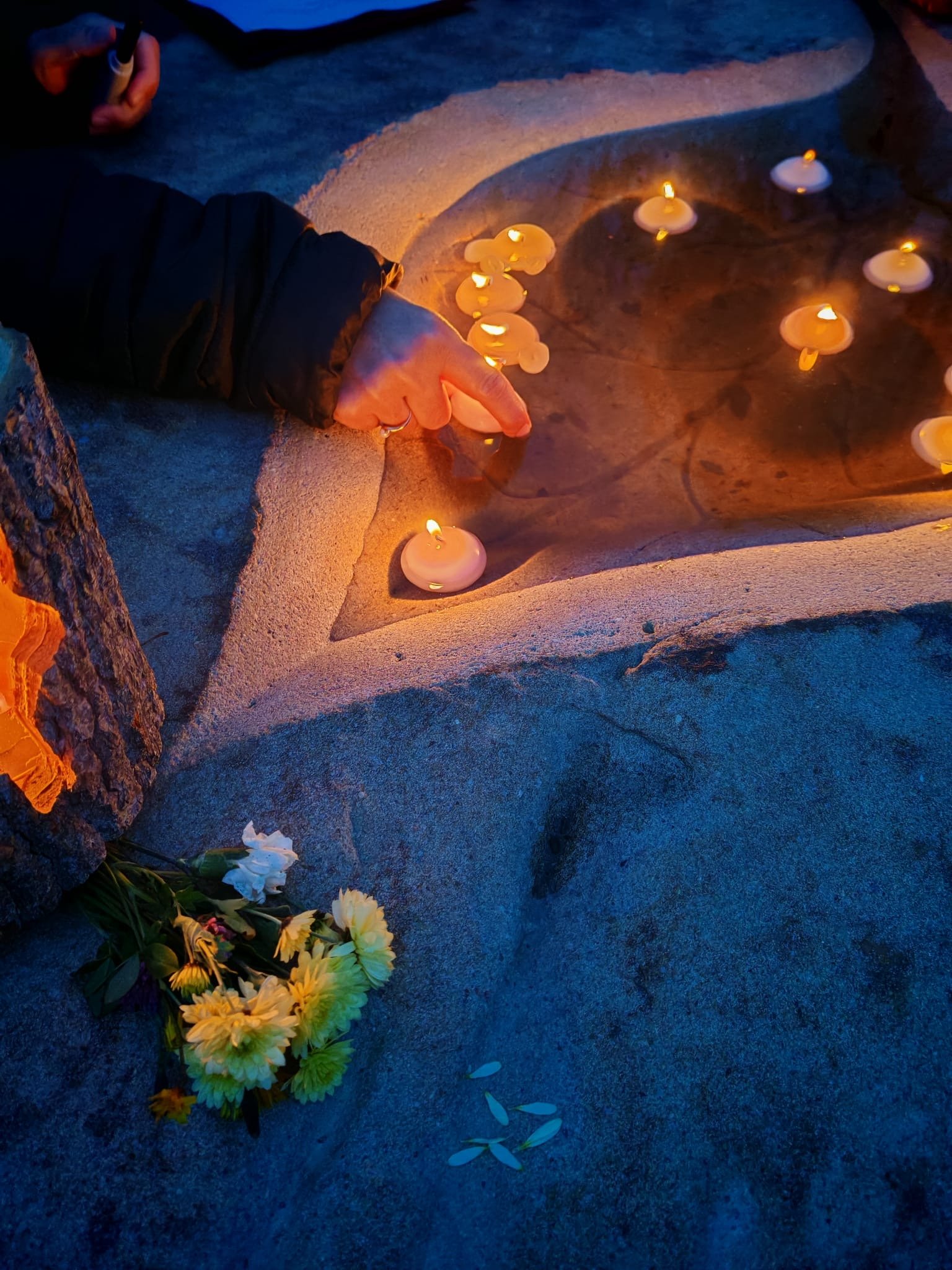
Les vzpomínek v Jindřichovicích v Krušných horách
Hřbitov provozují: Obřadníci od Jakuba
V roce 2025 vznikl z iniciativy Obřadníků od Jakuba v Krušných Horách Les vzpomínek. Byl první svého druhu v západních Čechách.
Tento les vzpomínek nabízí možnost ukládání popela zemřelých ke kořenům stromů. Každý strom pak nese dřevěnou desku se jménem zemřelého jako jemnou vzpomínku, že život a smrt jsou součástí přirozeného cyklu.
Nabízí také prostor pro poslední rozloučení. A pro vzpomínání a spojení s přírodou.
Návštěvníci sem mohou přijít zapálit svíčku, posedět v tichu, odpočinout si, nebo se prostě nadechnout a stát se součástí přirozené komunity, kterou Les vzpomínek tvoří.
Zdroj fotografií: https://sokolovsky.denik.cz/zpravy-region/les-vzpominek-v-jindrichovicich-prinasi-novy-pohled-na-posledni-rozlouceni-20250/
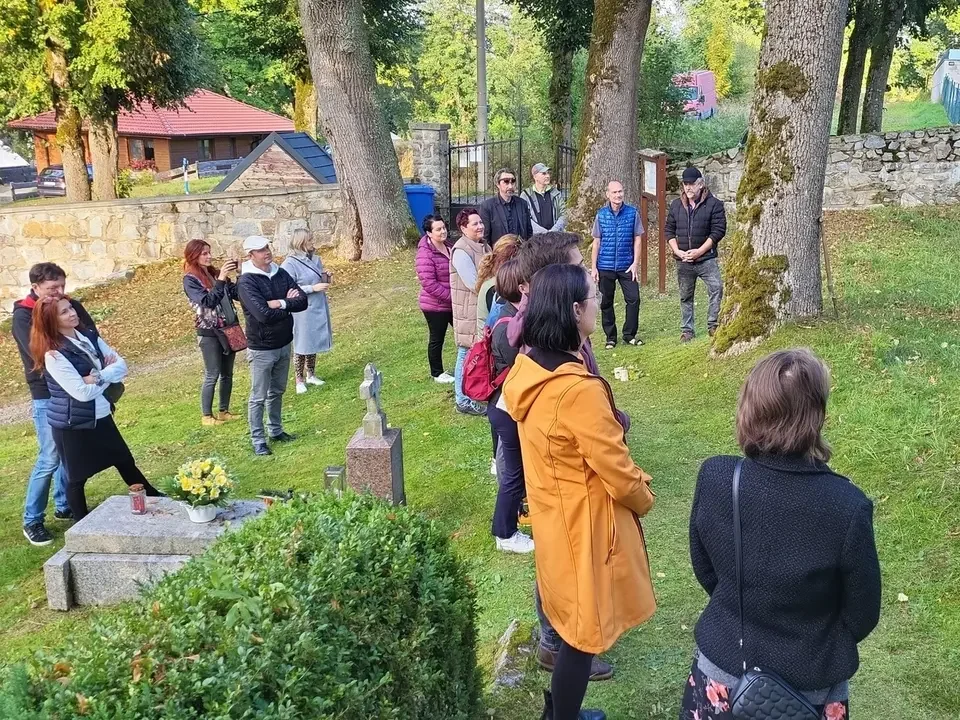
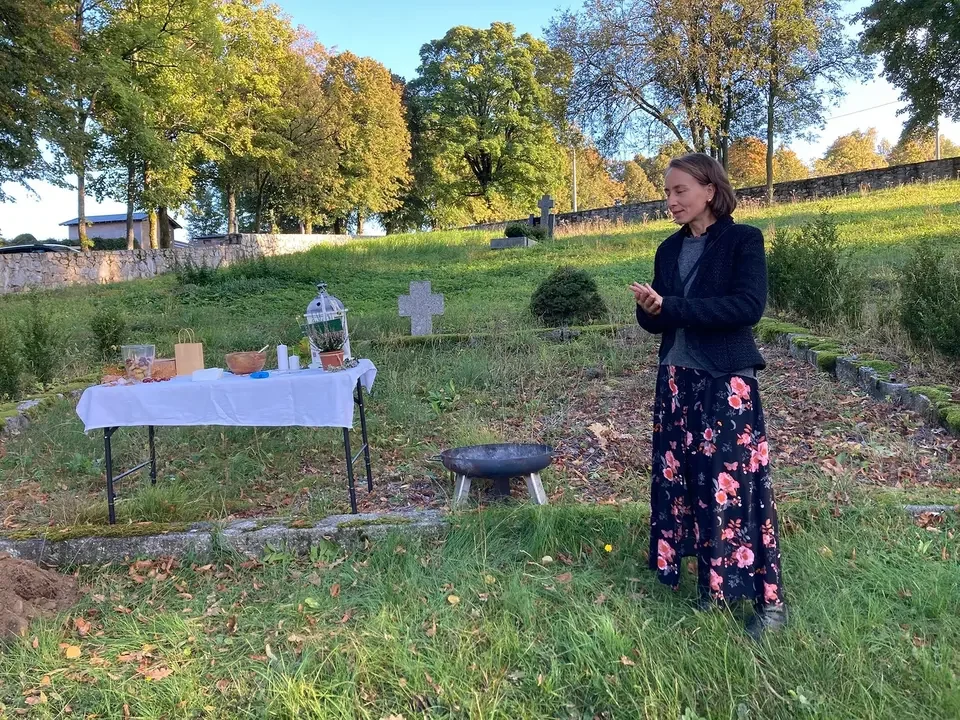
Louka vzpomínek Červená louka
Provozují Pohřební průvodci (tento přírodní hřbitov je v přípravě)
"...tam starou, lesklou kůži svléká had a elfové z ní mají na kabát."
William Shakespeare: Sen noci svatojánské, překlad Martin Hilský, 2008
Rakovnickou kotlinou se vine Lišanský potok a vlévá se do něj říčka Olešná. Podél potoka se rozprostírá téměř pohádková louka, obklopená ze všech stran stromy. Červená louka nám nabízí otevřené prostranství, ale zároveň úplné soukromí a stín staletých stromů. Blízký potok jí dodává vláhy a sem tam narazíte na opuštěný pařez, na kterém lze spočinout. Je to takový kus divočiny, ale přitom je perfektně dostupná autem až na místo, případně vlakem i s pobytem v útulném penzionu hned v sousedství.
Na louce připravujeme možnost rozptylu popela, vsypu popela, vlastních hrobových míst, ale také možnost vysadit vlastní strom za zesnulého.

Název Červená louka jsme si vypůjčili od přírodní rezervace vyhlášené v roce 1989, která s naší loukou přímo sousedí. Chráníme zde vzácné a ohrožené rostliny i živočichy. Na louce najdete různorodé druhy rostlin: zdobí ji prstnatec májový, bezkolenec modrý, srpice barvířská, bukvice lékařská, kosatec sibiřský, pcháč šedý, pcháč zelený, kakost bažinný, ostřice Davallova, vachta trojlistá nebo upolín evropský. Spatřit zde můžeme také vzácného plže levotočku bažinnou a mnoho druhů motýlů.
Nad Červenou loukou se tyčí pozůstatky královského hradu Hlavačov (původně označován jako Starý Hrádek), z něhož Přemyslovci spravovali Rakovnicko a lovecký hvozd v povodí Berounky. Hrad byl předchůdcem Křivoklátu. Bohužel ve 13. století celý shořel a již nikdy nebyl obnoven, neboť v té době stál již nový a větší Křivoklát, který jeho funkci převzal. Dnes z hradu zbyl jen hluboký příkop, val a tu a tam pozůstatky zdiva. Ale i tak je zapsán mezi kulturní památky pod číslem 45255/2-2771.
Toto místo však bylo plné života už dávno před Přemyslovci. Ve starší době železné zde bylo pravěké sídliště halštatské kultury. Archeologický výzkum zde prováděl známý Tomáš Durdík v roce 1974 a odkryl pozůstatky palisádového opevnění a také prostor vydlážděný valouny. Nejstarší nalezené keramické střepy patřily bylanské kultuře, která spadá do osmého až počátku šestého století př. n. l. Nejmladší nalezená keramika patřila do pozdní doby halštatské.
Foto: Rozkvetlá Červená louka Autor: Eva Požárová, licence CC BY-SA 4.0 https://creativecommons.org/licenses/by-sa/4.0
Les vzpomínek u Žižkova dubu na Myšlíně
Provozují Pohřební průvodci. (tento přírodní hřbitov je v přípravě)
Příběh Žižkova dubu
Dub zde stojí přes 650 let a jeho příběh se píše od dob husitů. V roce 1421, během tažení k Českému Brodu, se zde setkal kněz Petr z Cimburka s Janem Žižkou a přimlouval se za Mnichovice, aby se jim Žižka vyhnul. Žižka jej ale obvinil, že je zvěd, a na místě jej odsoudil a na dubu oběsil. Nakonec se prý ukázalo, že zvědem byl ve skutečnosti voják, který Cimburka usvědčil. Mnichovice ale zůstaly nájezdů ušetřeny.
Žižkově dubu na Myšlíně se věnoval i televizní pořad Paměť stromů, v dílu č.7: Žižkovy stromy.
Dub je zapsán v Registru památných stromů AOPK ČR.
Foto: Tomáš Kubelka, Čarokraj: https://carokraj.cz/lokace/zizkuv-dub-myslin

Krajina a okolí
Vlnící se barokní středočeská krajina, louky, pastviny, lesíky a zvířata: především kozy a ovce. Taková je ekofarma Zahrady Myšlín, kde se hřbitov nachází.
Obřadní místo je přímo u Žižkova dubu, u památného křížku. Lesní hřbitov je potom přímo vedle v mírném svahu, směrem dolů do údolí k myšlínskému potoku.
Asi 50 metrů od hřbitova je Zahradní bistro, kde se můžete občerstvit, nebo udělat i kar po rozloučení, a také Koloniál, kde si můžete nakoupit zemědělské produkty z místní ekofarmy.
Na hřbitov se dostanete celoročně autem až téměř přímo k dubu.

Přírodní hřbitov Řevnice
Provozují: Gabriela Doubek a Šárka Sodomková (tento hřbitov je v přípravě)
Po návštěvě Ďáblického hřbitova v Praze vzplál ve skupince dam z Řevnic nápad založit podobný hřbitov i na tomto místě. Zejména je zaujal kontrast mezi uličkami žulových náhrobků s umělými květinami a přírodním hřbitovem s decentními, dřevěnými cedulkami na stromech. Proto se na místním hřbitově se smuteční síní vymezil prostor i pro přírodní pohřebiště.
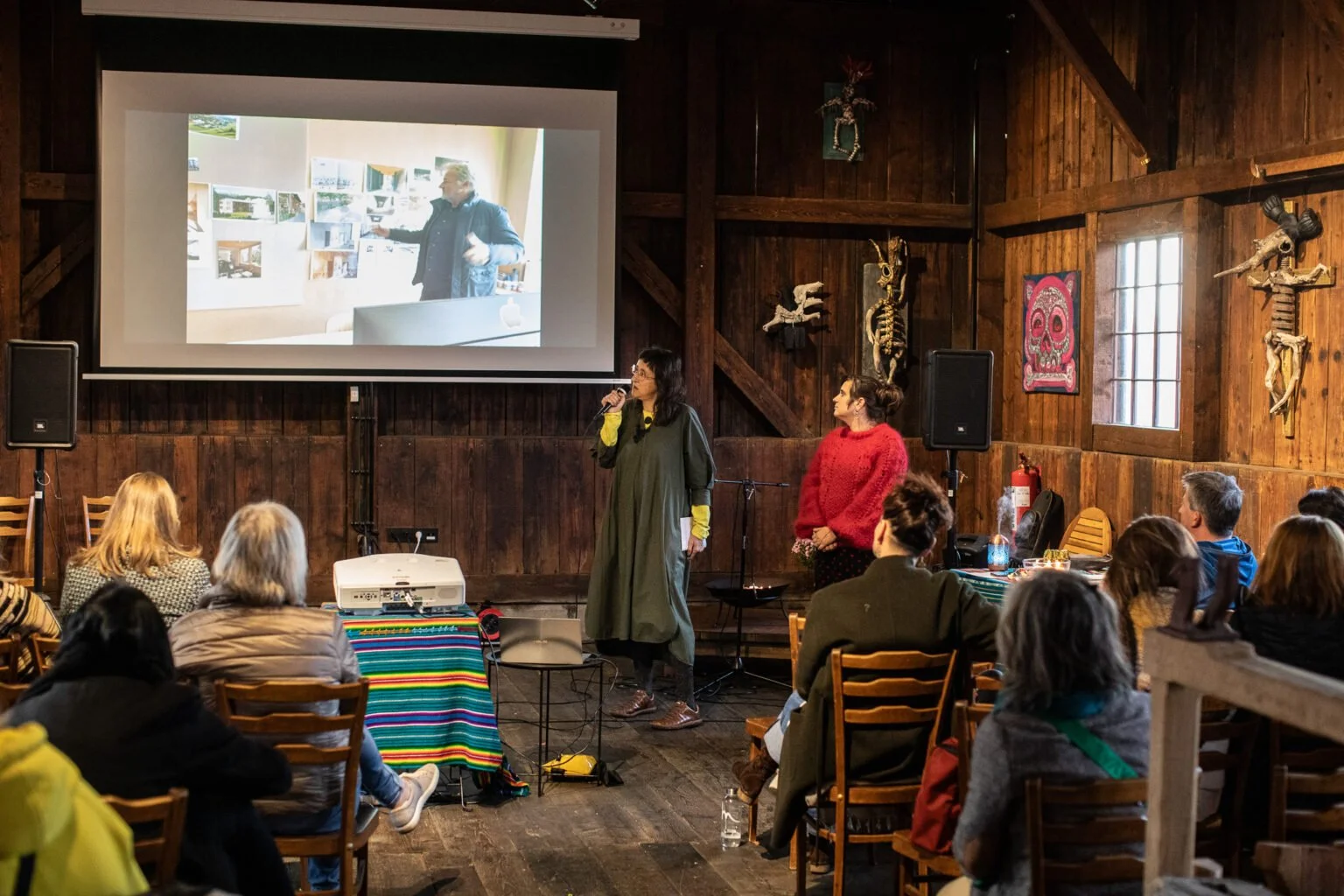
Projekt byl představen na na art festivalu Ke kořenům smrti 12.10.2024. Šárka Sodomková, říká: “Chceme i v Řevnicích rozšířit stávající hřbitov se smuteční síní o tuto alternativu. Ve spolupráci s městskou architektou Dariou Balajovou pracujeme na podrobnější studii. Jsme rádi, že projekt zaujal pana starostu a věříme, že počet příznivců bude narůstat.”
Fotografie: https://hlasticha.com/prirodni-hrbitov-do-kazde-dediny/
Otázky a odpovědi k lesním hřbitovům Pohřebních průvodců
-
Pohřební průvodci zakládají lesní hřbitovy na historicky významných místech, kde se lze rozloučit se zesnulým člověkem i zvířecím miláčkem uložením nebo rozptýlením popela. Nenajdeme zde náhrobky ani kříže – popel se ukládá u kořenů stromů a místo označuje jen nenápadná cedulka na kmeni.
Jedinečnou atmosféru hřbitova vytváří nejen samotný les, ale i okolní krajina, například zřícenina hradu či historický viadukt. O výzdobu se stará samotná příroda – barevné listí, mechy, kapradiny, polní květiny, jinovatka, led a sníh. Doprovází je zpěv ptáků, šumění vysokých stromů a zurčení říčky. Měnící se podoba lesa v průběhu ročních období nám připomíná přirozený koloběh života.
-
Některé z nás osloví samotná příroda. Pro jiné je důležitá historie a propojení s ní. Někteří hledají alternativu k mramorovým náhrobkům a neosobním obřadům. A možná jen toužíme po krásném místě, kde zpívají ptáci a šumí říčka. Po místě, které je mnohem víc než jen hřbitov – kam můžeme chodit i na výlety a pokaždé objevit něco nového, stejně jako ve vzpomínkách na našeho milovaného.
-
Hřbitovy zakládáme na místech, která mají historický a kulturní přesah, významný krajinný prvek (například zříceninu hradu), přírodní rezervaci a případně jsou blízko vodě (například říčka nebo rybník). Pečujeme o les tak, aby si uchoval svůj přirozený charakter, a zároveň chráníme významné krajinné prvky, díky kterým je hřbitov tak jedinečným.
-
Na našich hřbitovech pohřbíváme popel zesnulých – lidí i zvířátek. Popel lze uložit ke kořenům stromu na předem určené hrobové místo, rozptýlit na rozptylové loučce nebo do vody. Na místo můžeme popal buď vsypat do předem připravené jamky, nebo uložit v biologicky rozložitelné urně. Těla na našich hřbitovech nepohřbíváme – všechny naše hřbitovy se nacházejí v blízkosti vodního toku, kde je hladina podzemní vody vysoko a klasické pohřbívání tedy není možné.
-
Hrobové místo je vaše na deset let, s možností neomezeného prodloužení vždy o dalších deset let. Místo rozptylu je vaše napořád – a současně také všech ostatních, kteří jsou tam rozptýleni.
-
Místo, kde je uložen popel zesnulého, je označeno jmenovkou na stromě. Nestavíme žádné náhrobky, kříže, ani jiná označení hrobů.
Lesní pohřebiště zůstává součástí přírody a snažíme se zachovat přirozený charakter lesa. O přirozenou krásu místa pečuje sama příroda – zelené kapradiny, mechy a kvetoucí rostliny, podzimní barevné listí, jemná jinovatka, třpytivé krystalky ledu i sněhová pokrývka. Prostor oživuje zpěv ptáků, šumění korun stromů a klidné zurčení vody. Les se proměňuje s každým ročním obdobím a připomíná nám neustálý koloběh života.
-
Svíčky nebo jakýkoliv otevřený oheň lze na hřbitově zapalovat pouze během obřadů nebo akcí, a to vždy za přímého vizuálního dohledu účastníků (kontrolované hoření). Kvůli ochraně lesa a riziku požáru není dovoleno rozsvěcet svíčky ani zakládat oheň mimo tyto konkrétní situace.
-
Květiny samozřejmě pokládat můžete, ale současně prosím počítejte s tím, že je později odstraníme, abychom zachovali přirozený charakter lesa.
-
Ano, na našich lesních hřbitovech máme vyhrazená místa pro nové stromy, jejich počet je však omezený, a proto jsou ceny vyšší (stanovujeme je individuálně podle konkrétního místa). Rádi vám ale pomůžeme domluvit vysazení stromu i v jiném lese nebo ve vaší obci, což může být i zcela zdarma.
-
Les je živý ekosystém, který podléhá přírodnímu cyklu, počasí, nemocem a nenadálým událostem. Pokud strom odumře, vysadíme na jeho místě nový. Pokud se strom poškodí (například při bouřce), snažíme se jej ošetřit tak, aby se správně zahojil, a poté ho výchovnými řezy zmladit tak, aby obrazil a byl vyvážený a hezký. Toto vše je garantováno ve smlouvě.
Poškození stromů se ale především snažíme předcházet. Stromy pravidelně ošetřujeme a pečujeme o ně. Stromy kontroluje dendrolog a lesní hospodář.
-
Kůrovec napadá smrky (taky se odborně jmenuje lýkožrout smrkový) a v našich lesích žádné vzrostlé smrky nejsou. Naše lesy jsou smíšené, většina stromů je ale listnatých a jsou různého stáří, typicky 80-200 let. Kůrovec má rád monokulutry, hospodářské lesy. My lesy vybíráme na tak specifických místech, že zde hospodářský monokulturní les nikdo nikdy nezakládal.
-
Lesní hřbitovy zakládáme na místech, která jsou odlehlá a odstíněná od zvědavých pohledů - nabízí tak prostor pro klid a ztišení v přírodě. K našim hřbitovům je dobrý přístup běžným autem, včetně například aut s nižším podvozkem, nebo včetně dodávek a parkování je vždy do 100 metrů od hřbitova, nicméně je potřeba počítat s chůzí po lesním chodníčku a občasným překonáváním drobných překážek, které jsou přirozenou součástí pohybu v lese. Doporučujeme vyhnout se obuvi na podpatku nebo zcela otevřené obuvi (například typu žabky).
Vnímáme velký rozdíl mezi našimi lesními hřbitovy a tzv. "lesy" vznikajícími na městských hřbitovech (jako je Les vzpomínek nebo Údolí vzpomínek). Tato místa jsou ve městě, často se na nich pohybuje mnoho lidí, a to i během obřadu a mají omezený přístup. Navíc se zde popel neukládá po celý rok. Mluvíme z vlastní zkušenosti, protože i na těchto hřbitovech provádíme obřady a ukládáme popel – jsou to krásná místa, ale nabízí jiný prožitek, než ukládání popela na lesním hřbitově.
Přístup do našich lesů není omezený – můžete sem přijít a zavzpomínat kdykoli. Les není oplocený (ze zákona v ČR se les oplotit nesmí, jen obora).
-
S místní komunitou vždy komunikujeme, pomáháme si a hledáme cesty, jak si vycházet vstříc. Chápeme, že ne každému se líbí mít hřbitov v lese, ale snažíme se všechno dělat tak, abychom co nejméně rušili a hřbitov byl obohacením pro okolí. Obyvatelé okolních obcí mají možnost využít “sousedskou cenu” na pohřbení v našich lesích, která je výrazně nižší.
Je pro nás velmi důležité udržovat dobré vztahy s místními. Proto prosíme návštěvníky, aby se vyhnuli činnostem, které by mohly místní obyvatele omezovat, jako je bezohledné parkování, hlučné příjezdy nebo odjezdy, zvířata mimo vodítko, nebo poškozování okolí příjezdu, informačních cedulí či odpočívadel.
S lesy hospodaříme tak, abychom neohrožovali lesy sousedních vlastníků a chránili je před znečištěním. Vedeme lesní evidenci v souladu s lesní hospodářskou osnovou, přičemž spolupracujeme s odborným lesním hospodářem.
-
Cena hrobu na 10 let je 10.000 Kč. Cena využití rozptylové loučky pro rozptyl popela je 5.000 Kč. Cena uložení popela včetně přípravy místa, anebo cena rozptylu je 9.000 Kč. Cenu vlastního stromu na lesním hřbitově určujeme individuálně.
Hrob na lesním hřbitově může vycházet levněji než na běžném hřbitově: nemusíte pořizovat žádný náhrobek či hrobové zařízení (běžná cena u malého urnového hrobu je 20.000 až 50.000 Kč). Nemusíte také o hrob pečovat a udržovat jej, protože je součástí lesa a o ten pečujeme my.
-
Je samozřejmě možné použít urnu jakékoli pohřební služby, ať už od nás, nebo ze zahraničí. Pro pohřbení je však potřeba použít biologicky rozložitelnou urnu, kterou vám rádi v případě potřeby poskytneme a popel do ní přesypeme. Rádi vám také zařídíme celý pohřeb.
-
Celé uložení může být provázeno obřadem, který s vámi rádi Pohřební průvodci připraví. Samotné uložení probíhá tak, že pohřební průvodce předem připraví jamku a ozdobí ji zelení. Smuteční hosté poté mohou urnu do jamky vložit sami, nebo za asistence průvodce. Mohou také sami vsypat popel lopatkou (průvodce lopatku každému nabídne), nebo to udělá průvodce. Na závěr každému nabídne lopatku s hlínou, aby každý mohl přispět svým dílem k poslednímu odpočinku zesnulého. A úplně nakonec upraví jamku a smuteční hosté mohou položit například květiny.
-
Ano, urnu můžeme uložit i my jako Pohřební průvodci a vytvořit vám fotodokumentaci, video, nebo i livestream.
-
Samozřejmě, obřad si můžete udělat sami, nebo s jakoukoliv jinou pohřební službou či organizací. U pohřbu musí být vždy náš dohled, nicméně se snažíme vycházet vám maximálně vstříc. Běžně organizujeme pohřby o víkendech, nebo také při východu či západu slunce.
-
Na lesních hřbitovech pořádáme pravidelné prohlídky. Ozvěte se nám a dáme vám vědět, kdy jsou nejbližší termíny prohlídek v lese, o který máte zájem.
-
Rozhodně, a máte naši plnou podporu. Více než polovina našich klientů si domlouvá pohřeb a hrob už za svého života (nebo jim to domlouvají jejich blízcí). Smlouva na hrob samozřejmě platí i po smrti zesnulého, a pokud ukládáme toho, na koho je smlouva psaná, není potřeba ani nic přepisovat.
-
Vyberete si konkrétní les, konkrétní místo, podepíšete smlouvu a poté se domluvíme na termínu uložení a případně obřadu.
To vše jde udělat osobně při prohlídce lesa, ale i na dálku online.
Zdroje:
[1] ČTVERÁK, Vladimír; LUTOVSKÝ, Michal; SLABINA, Miloslav a SMEJTEK, Lubor. Encyklopedie hradišť v Čechách. Praha: Libri, 2003. ISBN 8072771736, https://www.digitalniknihovna.cz/mzk/uuid/uuid:52e2cf80-d982-11e5-ac59-005056825209
[2] Wikipedie, Železniční viadukt (Červené Pečky) [online], Wikipedie: Otevřená encyklopedie, c2024, Datum poslední revize 1. 10. 2024, 10:38 UTC, [citováno 29. 04. 2025] <https://cs.wikipedia.org/w/index.php?title=%C5%BDelezni%C4%8Dn%C3%AD_viadukt_(%C4%8Cerven%C3%A9_Pe%C4%8Dky)&oldid=24280600>
[3] HLUŠIČKOVÁ, Hana. Technické památky v Čechách, na Moravě a ve Slezsku. I. díl, A-G. Praha: Libri, 2001. ISBN 807277042X. https://books.google.cz/books/about/Technick%C3%A9_pam%C3%A1tky_v_%C4%8Cech%C3%A1ch_na_Morav.html?id=eDkhAQAAIAAJ&redir_esc=y
[4] Rozhovor s Jaromírem Kuprem, rodákem z Červených Peček, dlouholetým strojvedoucím a autorem knihy Místní dráhy Kolín - Ledečko (České dráhy, 2000) https://kolinsky.denik.cz/zpravy_region/predstavujeme-nominovane-na-rad-srdce-jaromir-kupr-20151219.html
[5] Národní památkový ústav, Památkový katalog, kulturní památka rejst. č. ÚSKP 103404 - železniční most mezi stanicemi Červené Pečky a Ratboř: https://www.pamatkovykatalog.cz/zeleznicni-most-14325804
[6] Biografický slovník českých zemí, DVOŘÁK František 1896–1943 [online], , c2024, Datum poslední revize 16. 09. 2024, 15:19 UTC, [citováno 29. 04. 2025] <https://biography.hiu.cas.cz/index.php?title=DVO%C5%98%C3%81K_Franti%C5%A1ek_1896%E2%80%931943&oldid=414828>
[7] Wikipedie, František Dvořák (archeolog) [online], Wikipedie: Otevřená encyklopedie, c2024, Datum poslední revize 5. 08. 2024, 21:25 UTC, [citováno 5. 05. 2025] <https://cs.wikipedia.org/w/index.php?title=Franti%C5%A1ek_Dvo%C5%99%C3%A1k_(archeolog)&oldid=24146044>
[10] Wikipedie, Chlum (hrad, okres Kutná Hora) [online], Wikipedie: Otevřená encyklopedie, c2024, Datum poslední revize 10. 02. 2024, 11:42 UTC, [citováno 5. 05. 2025] <https://cs.wikipedia.org/w/index.php?title=Chlum_(hrad,_okres_Kutn%C3%A1_Hora)&oldid=23645935>
[11] Národní památkový ústav, Památkový katalog [cit. 2025-05-05], Identifikátor záznamu 146651 : Hrad Chlum, zřícenina. https://www.pamatkovykatalog.cz/hrad-chlum-zricenina-16390197
[12] DURDÍK, Tomáš, Vlastimil DURDÍK a Marie ZÁLESKÁ. Encyklopedie českých hradů. Praha: Libri, 1996, c1995, s. [1a]. Heslo Chlum, s. 208–209. ISBN 80-85983-03-6. Dostupné také z: https://www.digitalniknihovna.cz/cdk/uuid/uuid:3808d81b-ea20-4246-a2aa-a58824a622b3
[13] ČERMÁK, Kliment. Památky z hradu u Chlumu. Památky archaeologické a místopisné. 1902, roč. 20, čís. 3–4, s. 215–220; Tab. XXXII. Dostupné také z: https://kramerius5.nkp.cz/uuid/uuid:0f189400-d880-11e4-97af-005056827e51
[14] KROBOVÁ, Adriana. Chlum: Kolébka mocného rodu Slavatů [online]. Český rozhlas, 2012-10-21 [cit. 2017-09-10]. (Po stopách dávných hradů a tvrzí středních Čech). Vložené audio s citacemi Augusta Sedláčka a komentáři Tomáše Durdíka: https://plus.rozhlas.cz/chlum-kolebka-mocneho-rodu-slavatu-6639053
[15] Nařízení Kraje Vysočina č. 1/2017, o zřízení přírodní rezervace Velká a Malá olšina. [cit. 2017-10-04]. Dostupné online: https://ftp.aspi.cz/opispdf/kraje/2017/kv02-17.pdf
[16] AOPK ČR, Maloplošná zvláště chráněná území, PR Velká a Malá olšina: https://drusop.nature.cz/ost/chrobjekty/zchru/index.php?SHOW_ONE=1&ID=719
[17] Wikipedie, Velká a Malá olšina [online], Wikipedie: Otevřená encyklopedie, c2025, Datum poslední revize 17. 03. 2025, 21:35 UTC, [citováno 5. 05. 2025] <https://cs.wikipedia.org/w/index.php?title=Velk%C3%A1_a_Mal%C3%A1_ol%C5%A1ina&oldid=24754911 >
[18] Kutnohorský Deník: V lese u Velké a Malé Olšiny na Kutnohorsku vykouzlila příroda bledulový ráj: https://kutnohorsky.denik.cz/zpravy_region/bledule-jarni-rezervace-velka-a-mala-olsina-chranbozsky-les-kutnohorsko-20240304.html
[20] NĚMEC, Jan. Památné stromy v Čechách, na Moravě ve Slezsku. Ilustroval Karel VÁVRA, ilustroval Jan ZOUL. Praha: Olympia, 2003. ISBN 80-7033-781-8. Kapitola Střední Čechy, s. 53.
[21] Wikipedie, Žižkův dub (Myšlín) [online], Wikipedie: Otevřená encyklopedie, c2023, Datum poslední revize 21. 10. 2023, 07:56 UTC, [citováno 5. 05. 2025] <https://cs.wikipedia.org/w/index.php?title=%C5%BDi%C5%BEk%C5%AFv_dub_(My%C5%A1l%C3%ADn)&oldid=23285935 >
[22] Wikipedie: Otevřená encyklopedie: Hlavačov (hrad, Lužná) [online]. c2024 [citováno 23. 10. 2025]. Dostupný z WWW: <https://cs.wikipedia.org/w/index.php?title=Hlava%C4%8Dov_(hrad,_Lu%C5%BEn%C3%A1)&oldid=24169077 >
[23] Wikipedie: Otevřená encyklopedie: Červená louka [online]. c2025 [citováno 23. 10. 2025]. Dostupný z WWW: <https://cs.wikipedia.org/w/index.php?title=%C4%8Cerven%C3%A1_louka&oldid=24792429 >
[24] Biolib: Profil místa: PR Červená louka [citováno 23. 10. 2025] Dostupný z WWW: <https://www.biolib.cz/cz/locality/id2467/ >
[25] KOČKA, Václav. Dějiny Rakovnicka. Rakovník: Agroscience, s.r.o., 2009. 724 s. ISBN 978-80-85081-28-2.
[26] BEDNAŘÍK, Tomáš. Historické památky Rakovnicka. Rakovník: Raport, 1997. 178 s. ISBN 80-902190-2-0.
Bibliografie je v úpravě, omlouváme se za různé citační styly, později je sjednotíme.