
Prvních 48 hodin: Moc, kterou jsme odevzdali systému: Oleg Vojtíšek, Olga Nešporová, Magdalena Ondrová, Barbora Steinlauf
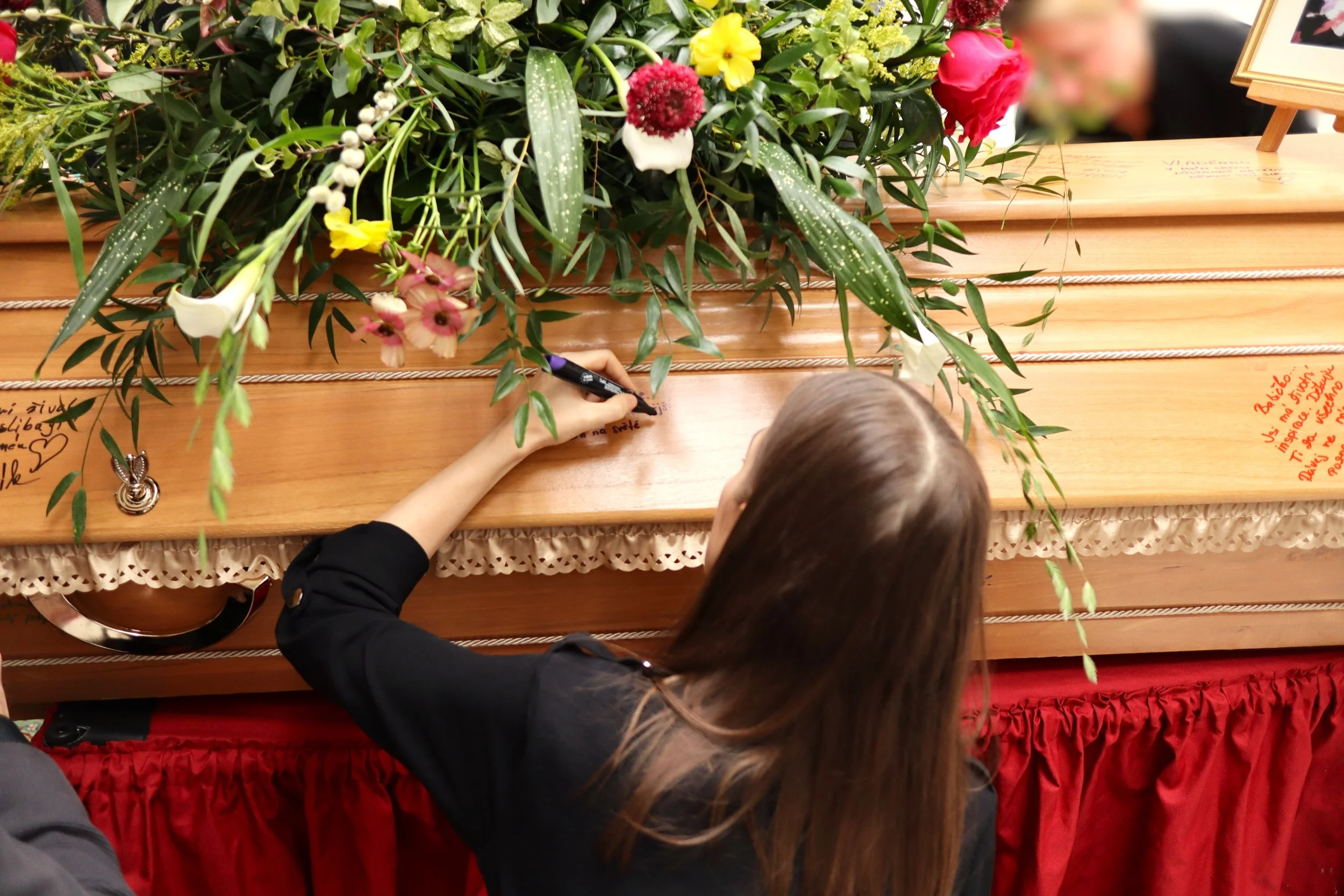
Na pohřbu můžeme napsat vzkazy na rakev.
Tatínek umřel. A teď rychle: zavolat lékaře, na internetu najít nejbližší pohřební službu, ať si ho co nejrychleji vyzvednou. Hned ráno jít sjednat pohřeb do kanceláře na pobočku, kterou stihnu ideálně ještě před prací. Naobjednat věnce, sestavit parte, vybrat rakev z katalogu. Tak vypadá nejklasičtějších 48 hodin od úmrtí.
Olga Nešporová, etnoložka z AV ČR, o tom konstatuje: “Lidé přestali být na péči o umírající zvyklí. Nevíme, co si s mrtvým počít, a bojíme se jeho tělesnosti a případných změn.”
Mrtvé lidské tělo ale není biologický odpad. Jak hezky říká náš Oleg: “Mrtvý člověk už nedýchá, nekašle a nekýchá. Bakterie tam být mohou, ale milují našich živých 36 stupňů. Pokud jste se nebáli dotýkat za života, není důvod se odtahovat teď.” Prvních několik hodin od úmrtí patří vám a jemu, nikoli pohřebním zřízencům.
Magdalena Ondrová z hospice doplňuje příklady z praxe: v hospicích je normální, že sestřičky rodině pomohou tělo umýt, obléci a celkově připravit. Někdy rodina chce upravit vlasy, jindy jim dát něco se sebou na cestu. A někdo potřebuje třeba jen konzultace po telefonu, jak na to.
Všichni tři odborníci se tedy napříč obory shodnou na tom samém: bojíme se smrti a bojíme se mrtvého těla. Přitom nám ale jeho úprava může neskutečně pomoct. Zesnulý už je klidný, nic ho nebolí a máte ho plně v rukou. Ten klid se přenese i na vás, když mu dáte šanci. Rozloučit se, udělat mu poslední službu, naposledy se postarat. A teprve pak ho nechat jít.
Pokud se chcete o prvních 48 hodinách od úmrtí dozvědět více - na co máte právo a co vám nikdo nesmí zakazovat, čtěte rozhovor Kláry Nesitové s naším Olegem, ale také Olgou Nešporovou, Magdalenou Ondrovou nebo Barborou Steinlauf, zdravotnickou advokátkou.
Klára Brázdová a Oleg: Je truchlení chaos? Nebo je to bloudění lesem? A je pohřeb dialog?
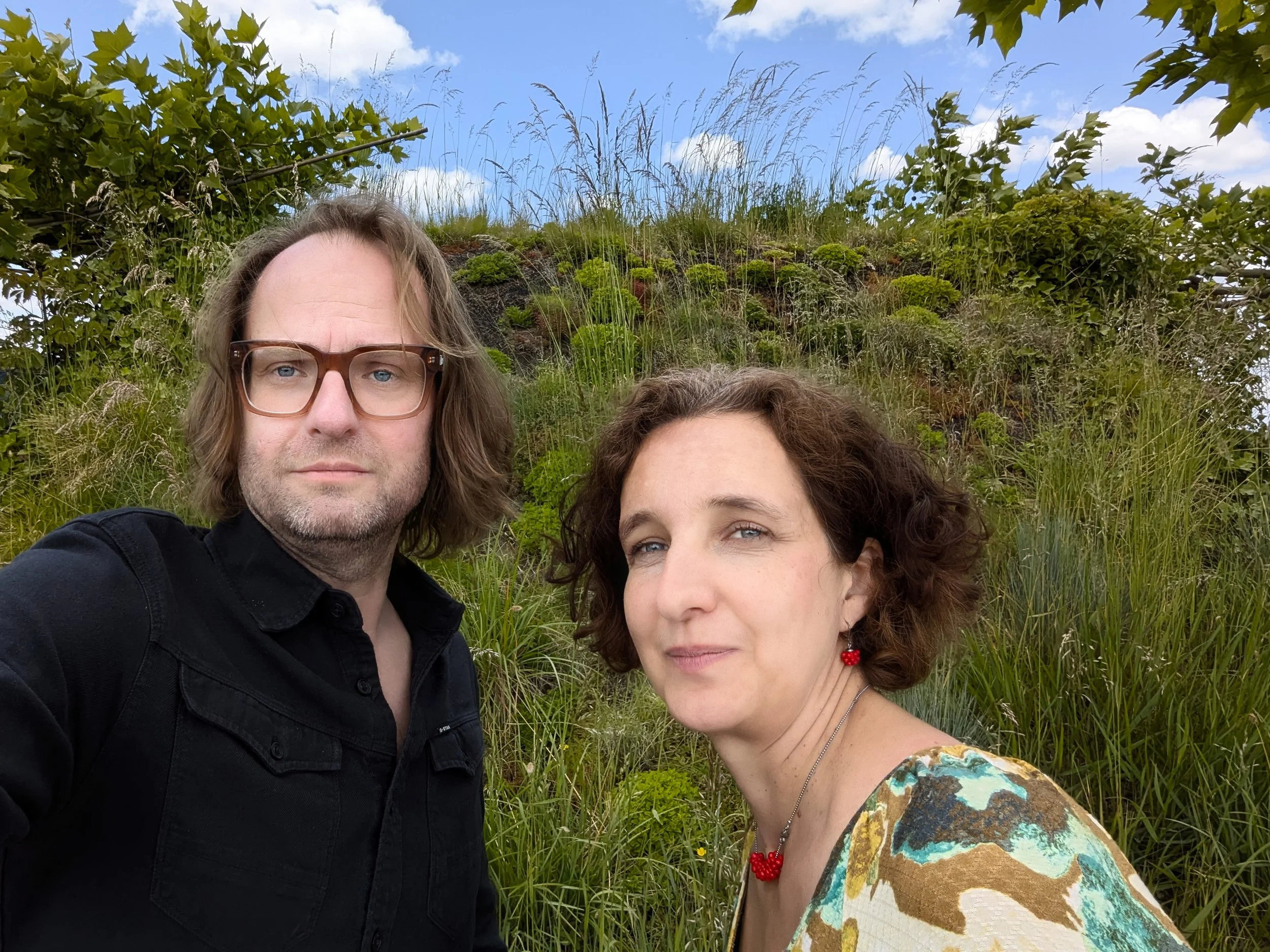
Klára Brázdová a Oleg Vojtíšek natáčí podcast na zatravněné střeše nad Prahou
Ohlušující ticho po smrti člověka.
A teď nemyslíme, když najednou doma zůstanete sami. Ale ticho, které přijde pokradmu: když po smrti blízkého dostáváte spousty zpráv, spousty pozornosti, otázek a lásky... a pak to najednou.. vyšumí.
Najednou se okolí rozhodlo, že je na čase jít dál. Ale vy tam ještě nejste.
Klára Brázdová se jako psychoterapeutka věnuje často pozůstalým a naše i její práce toho mají spoustu společného!
My jako pohřební služba často zvažujeme, kolik toho máme dělat za klienty: z pozice služby chceme dodat maximum. Jenomže truchlení je velmi specifická věc. Je potřeba lidi směrovat, aby se do truchlení pustili sami - třeba i přípravou pohřbu. A podobné je to i v terapii.
Klára říká, že se jí líbí, že my s pozůstalými vedeme dialog. Dialog o tom, co a jak chtějí. Co je vůbec možné. Dialog o zesnulém, co by si přál, co si přejí oni. O tom se s nimi lidé často bojí mluvit. Truchlící lidé jsou plně kompetentní a neměli bychom se k nim chovat jako k dětem.
Proč není dobré řídit se “odbornými” stádii truchlení?
V čem jsou si podobné truchlení a bloudění lesem?
A proč je fajn po pohřbu odjet do Nepálu?
Oleg se v našem podcastu bavil o truchlení s psychoterapeutkou Klárou Brázdovou a pokud se vás to týká, tak si to určitě budete chtít poslechnout!
Barbora Steinlauf: Máte nárok na klidnou smrt?
“Já už nechci žít, nech mě umřít…” Řekl vám tohle někdy umírající? Má nárok na to v poklidu zemřít? Dokážete na to odpovědět?

Barbora Steinlauf a Oleg Vojtíšek natáčí podcast v soumraku nad Prahou
Nejspíše ne. A mnozí lékaři nejspíše také ne.
Právní systém zdravotnictví v oblasti umírání velmi zaostává: dlouhou dobu byl budován tak, aby chránil lékaře a podpořil je v případě, že se dopustí nezakonného jednání. Barbora Steinlauf jako zdravotnická advokátka jde ale opačným směrem – chrání práva umírajících a snaží se šířt osvětu o tom, na co má člověk během umírání nárok.
Pokud nedokážete odpovědět na tyto otázky, určitě byste si měli pustit podcast, který natočil náš Oleg s Barborou Steinlauf:
Jak postupovat, když mi někdo umírá v nemocnici, a mám pocit, že se k němu nechovají dobře? A co když pojmu podezření, že zemřel chybou nemocnice?
Stačí jako informovaný souhlas skutečně jen podepsaný papír?
Když odmítnete lékařskou péči, přicházíte tím zároveň o paliativní péči?
A vůbec.. jak je na tom eutanázie (usmrcení na žádost) v kontextu českého práva?
A tím ještě nekončíme: Barbora zároveň nově spustila projekt O závěru života. Dejte své rodině vědět, jak chcete umřít, když už sami nebudete moct rozhodovat. Nebo se tam podívejte, jak o tom rozhovor s umírajícím vůbec vést.
Co říkat a neříkat rodičům po úmrtí dítěte
Máte ve svém okolí někoho, komu zemřelo miminko nebo i větší dítě? Chtěli byste ho nějak utěšit, ale nevíte jak? Připravte se na to, že rodiče, kterému zemřel syn nebo dcera, utěšit prostě nemůžete, není to v lidských silách. Na druhou stranu mohou být slova mocná a můžete jimi truchlícího rodiče pohladit po duši nebo taky bolavě ranit.

Adriana Kábová na břehu Vltavy, na Střeleckém ostrově
Když mně samotné zemřelo miminko, v mnohém mě překvapily reakce mého okolí. Některé mile, jiné nepříjemně. Nejvíce mě zarazilo, kolik lidí se stáhlo a předstíralo, že se nic nestalo. Uvědomovala jsem si, že asi nevěděli, jak reagovat. Ale vyhýbání se mně nebo alespoň tématu smrti dítěte mě mrzelo asi nejvíce.
Rodiče se po smrti dítěte často ocitají ve zvláštním vzduchoprázdnu a cítí se osaměle. A to jen proto, že jejich okolí neví, co říct, netuší, co udělat, a tak se raději stáhne a reakci na tak těžkou životní situaci se vyhýbá. Obavy z připomenutí zemřelého dítěte nejsou na místě, rodiče první měsíce jen těžko zvládají vůbec na něco jiného myslet.
Vedle ignorace bývá častým typem reakce úpěnlivá snaha vymyslet něco pozitivního, něco čím rodiče s prázdnou náručí potěšit. Jenže to prostě nemůže fungovat. Rodiče sice vnímají tu snahu o útěchu, absolutně se ale míjí účinkem.
Někdy jsem žasla nad tím, co mně lidi říkali. Chápu, že asi cítili potřebu nějak mě utěšit nebo potěšit. Ale nejednou to končilo tak, že mi jich vlastně bylo líto. Jak se v tom plácají a neví, co se mnou.
Doporučuji se spíše soustředit na věty, kterými smrt dítěte a tíhu žalu rodičů uznáte. Prosté “mrzí mě to”, “je mi to líto” někdy úplně stačí. “Upřímnou soustrast” někdo vidí jako ustrnulou frázi, ale má vlastně hluboký význam a patří určitě k těm vítanějším projevům sounáležitosti.
Slova, která mohou truchlící rodiče podpořit:
Je mi to moc líto.
Moc mě to mrzí.
Upřímnou soustrast.
Pokud se hodně dobře znáte, může být pro rodiče po úmrtí dítěte podporou i obejmutí. Je dobré se nejprve zeptat, jestli můžete, jestli to rodičům v dané chvíli bude příjemné. Respektujte bez urážky, když Vaši nabídku odmítnou, ne každý je zkrátka “objímací typ”.
Jsem tu pro Tebe a budu Ti naslouchat, kdykoli budeš potřebovat.
Neboj se mi kdykoli napsat, nikdy mě nebudeš otravovat.
Velmi potřebné je umět rodičům po smrti jejich dítěte naslouchat, často jim totiž pomáhá svou tíhu sdílet, ale málokdo chce o umírání něco slyšet. Uberte ze svých historek, co se stalo Vašim známým a co jim pak pomáhalo. Spíše se zajímejte o příběh nebo postřeh, který vám možná truchlící chce sdělit, ale často pro to není prostor. Dejte rodičům na vědomí, že jste připraveni je vyslechnout. Můžete říct třeba “jsem tu pro Tebe a budu Ti naslouchat, kdykoli budeš potřebovat”, nebo “neboj se mi kdykoli napsat, nikdy mě nebudeš otravovat”.
Chceš mi něco o (jméno dítěte) vyprávět?
A až budete zjišťovat, zda mají rodiče chuť a náladu s Vámi jejich trápení sdílet, je dobré nebát se zmiňovat jméno zemřelého dítěte. Mnoho lidí totiž tíhne k tomu jméno dítěte přestat vyslovovat, jako by najednou bylo zapovězené. Jenže pro rodiče je to pořád jejich milovaný syn nebo milovaná dcera, i když tu najednou nejsou. A když o nich najednou nikdo nechce mluvit, nikdo nechce ani vyslovit jejich jméno, působí to, jako by okolí najednou nechtělo uznat, že vůbec existovali.
Vždycky mě potěšilo, když se mezi známými našel někdo, kdo se nebál vyslovit synovo jméno. Hřálo mě u srdce, že aspoň někdo si ho zapamatoval, když tu pobyl tak krátce.
Slova, kterými většinou sypete sůl do rány:
Buď ráda, že máš ještě jedno dítě.
Jste ještě mladí, budete mít další.
Hlavně musíš myslet pozitivně.
Lidem se dějou i horší věci.
Vím, jak se cítíš, protože…
Příroda to tak chtěla. Mělo to tak být.
Vaše dítě je teď na lepším místě.
Ještěže nebylo už starší.
A uvažujete o dalším?
Věty začínající slovy “aspoň že”.
Vedle skupiny lidí, která se strachuje, aby rodiče svými slovy neranila a raději mlčí, je tu ještě ta část, která nad svými slovy vůbec nepřemýšlí a prostě něco plácne v domnění, že tak zármutek rodičů zmírní. Pokud mají rodiče ještě nějaké další děti, vždy se najde někdo, kdo to nezapomene zmínit. “Buď ráda, že máš ještě jedno dítě.” Ano, rodiče jsou určitě rádi, že mají ještě další dítě, ale to nijak nezmenšuje jejich žal. Podobně neúčinné jsou vlastně všechny věty, které začínají na “aspoň že…”. Aspoň že vy jste v pořádku, aspoň že to nedopadlo ještě hůř, aspoň že vám jinak všechno klape, aspoň že ještě můžete mít další děti a tak podobně.
A pak jsou tu ještě tací, kteří mají pocit, že přesně vědí, co rodiče po smrti dítěte prožívají. Protože někdo z jejich známých si prošel něčím podobným a oni vědí, co jim pomohlo a co teď rodiče mají a nemají dělat, co potřebují. Nikdy neříkejte větu “Vím, jak se cítíš, protože…”, protože to zkrátka nevíte. Každé truchlení je hluboce individuální a nikdo rodičům nemůže dát přesný návod, jak jím projít.
“Když náš Oliver zemřel, nebyla jsem schopna s nikým kromě manžela mluvit. Po příjezdu z nemocnice jsme byli několik dní v domě jeho rodičů. Všichni dělali, jako kdyby se nic nestalo. Třetí den si ke mně v obýváku přisedla tchýně a řekla, že přesně ví, co prožívám. Kdysi prý potratila. Začala mi dávat rady, co bych teď měla a neměla dělat. Zůstala jsem na ní zírat. A řekla jí, že absolutně netuší, co prožívám. Se slzami jsem odešla a až do našeho odjezdu jsme spolu znovu nepromluvily.”
Zkušenost naší klientky Evy B.
Nepomáhají ani dobře míněné soudy jako “příroda to tak chtěla”, “mělo to tak být” nebo
“vaše dítě je teď na lepším místě”. Pokud jsou myšleny tyhle výroky opravdu vážně, pak obsahují odkaz na spiritualitu, kterou ale rodič nemusí s mluvčím sdílet.
A protože se v naší společnosti obecně smutek ventilovaný na veřejnosti moc nenosí, okolí rodičů někdy neví, jak s ním naložit. A tak vznikají hlášky jako “nebreč, to vám ho/ji stejně nevrátí”, “hlavně musíš myslet pozitivně”. Stejně tak není vůbec nijak podpůrná hláška “lidem se dějou i horší věci”. Tlak na úsměv a pobídky k potlačení žalu popírají zažívané emoce rodičů a jejich potřebu truchlení.
Věta, která může ranit rodiče miminek zemřelých ještě v děloze nebo narozené velmi předčasně, zní “ještěže nebylo už starší”. Pozor na to, přímá úměra tady neplatí. Rodič prostě přišel o dítě. Tečka.
U miminek si odpusťte často slýchanou větu “jste ještě mladí, budete mít další”. Rodiče zažívají nepopsatelnou bolest, truchlí právě po tom jedinečném miminku, o které právě přišli. Tahle věta je jako facka do tváře. Navíc nemusíte znát přesné důvody úmrtí miminka, někdy může dojít i k zákrokům, po nichž už další otěhotnění ani není možné. A pokud jste nestáli rodičům po boku po celou dobu jejich truchlení, nepatříte mezi jejich úplně nejbližší, naprosto se vyvarujte takovým těm dotazům na potkání, aby řeč nestála: “A už uvažujete o dalším?”
Takže doporučujeme úmrtí dítěte rozhodně neignorovat, nepřecházet bez povšimnutí. Jen je zkrátka v takovém případě méně někdy více a “mrzí mě to” a “je mi to líto” jako první reakce úplně stačí. A pak se můžete rodičů ptát, v jakých praktických věcech jim můžete pomoct, případně rovnou nějaké navrhovat. Nejvíce ceněné pak bývá, když budete schopni rodičům a všemu, co chtějí sdílet, třeba i opakovaně naslouchat.
Autorka Adriana Kábová je poradkyně pro pozůstalé a pohřební průvodkyně, které zemřelo její první miminko.
Jak nám příroda pomáhá v čase ztráty
Když ztratíme blízkého člověka, svět, jak jsme ho dosud znali, se náhle promění. Čas se jakoby zastaví. To, co bylo pevné, se rozpadá. Co dřív dávalo smysl, najednou smysl postrádá. Bolest se může zdát větší, než jsme schopni unést. Vzniká prázdné místo. Ticho, které nejde obejít.
Právě v takových chvílích se nám příroda může stát oporou i útočištěm. Nabízí to, co v čase zármutku tolik potřebujeme – ticho, klid, léčivý zvuk, pohled i dotek. Prostor ke spočinutí. Blízkost bez slov, bez rad, bez tlaku. Pomáhá nám jemně zůstávat ve spojení – se sebou, s tím, co bylo, i s tím, co zůstává.
My, Pohřební průvodci, jsme teď začali zakládat lesní hřbitovy. Proto se propojení přírody a truchlení věnujeme mnohem více i v našich článcích.

Příroda přijímá i léčí
Ve chvílích zármutku může být příroda tím nejtrpělivějším průvodcem. Les, hory, řeka ani širé nebe nám nevnucují rady ani rychlá řešení. Neslibují, že „zase bude dobře“ ani nedávají instantní návody „jak být rychle v pohodě“. Nesoudí, nespěchají, netlačí na čas – jen tiše přítomně jsou. Přijímají náš smutek stejně přirozeně jako ranní mlhu nebo spadané listí. A právě tím nám dávají prostor jen tak být. Potkat se se svým zármutkem, zůstat s ním chvíli v přítomnosti, věnovat mu pozornost.
V období truchlení může být těžké zůstávat v přítomnosti. Samotná přítomnost často bolí – máme tendenci vzpomínat, být myšlenkami v minulosti, litovat, stáhnout se, otupět nebo se vyhýbat tomu, co cítíme. Právě tehdy nám však příroda nabízí jeden ze svých darů. Pomáhá nám jemně zůstávat tady a teď – s tím, co cítíme, i s tím, co nás obklopuje. Stává se útočištěm i pro ty nejtěžší emoce.
Klid, rytmus a tichá síla přírody nás pozvolna vracejí k sobě, do těla a k prožívání. V nekonečnosti oblohy můžeme najít zklidnění a pocítit, že dokáže unést i náš zármutek. Když se opřeme o strom, vnímáme tichou sílu, která nás podpírá. V pevnosti kamene nacházíme stabilitu uprostřed emočního víru. List nesený proudem vody může symbolicky odnášet i kousek naší bolesti. A stejně jako země přijímá déšť, přijímá i naše slzy.

Příroda jakoby se přirozeně ladila na naši bolest, aniž by ji zlehčovala nebo považovala za příliš velkou. Můžeme se k ní obracet jako k tiché svědkyni našeho zármutku. A i když se navenek zdá, že se nic nemění, její přítomnost nás obvykle naplňuje větší lehkostí a klidem. Možná právě v tomto tichém spočinutí se v nás začne pozvolna probouzet jemná vlna smíření – jako bychom najednou vnímali vše s větším nadhledem a otevřeli se přijetí toho, co je.
I tělo cítí ztrátu
Zármutek nepřebývá jen v srdci – zanechává stopy i v těle. Lidé v čase ztráty často popisují bolest na hrudi, sevřený dech, nespavost, podrážděný žaludek, úzkosti, vztek nebo propuknutí autoimunitního onemocnění. Nervový systém, zahlcený intenzivní emoční bolestí, přechází do stavu neustálé pohotovosti – tělo jako by nedokázalo najít klid, bezpečí ani odpočinek. A když je tělo v napětí, je těžké nejen fungovat, ale i zpracovávat smutek.
A právě v takovýchto situacích nám může příroda výrazně pomoci. Vědecké studie potvrzují, že pobyt v přírodě harmonizuje nervový systém: zklidňuje dech, snižuje krevní tlak i hladinu stresových hormonů, posiluje imunitu a emoční odolnost. Pomáhá zlepšit náladu a zmírňuje úzkost – projevy, které často provázejí zármutek. Z japonské tradice přichází pojem shinrin-yoku, doslova „koupel v lese“. Jde o lesní „terapii“, která vznikla v 80. letech jako odpověď na rostoucí stres moderního života. Nejde přitom o výkon ani o turistiku – je to pozvání ke zpomalení a bytí všemi smysly v přítomnosti stromů, světla, vůní a zvuků lesa.
Příroda tiše působí na naši fyziologii: stačí jít lesem a vnímat měkkost mechu. Přivonět k jehličí. Zastavit se u stromu a nechat si na tvář dopadat pruhy světla, které procházejí korunou. Všimnout si drobného hmyzu, který si razí cestu mezi listy. Dlaní vnímat drsnost kůry a naslouchat tichu, ve kterém se náš dech pomalu zklidňuje.

V tomto tichu se v nás začíná probouzet hlubší vnímání – nejsme jen myslící bytosti, které se nacházejí v přírodě; my jsme příroda. Naše těla, stejně jako stromy, vítr a půda, jsou úzce propojená s přírodním světem. A právě v tomto napojení se naše smysly otevírají, vnímavost k sobě i okolí roste, nálada se pozvolna proměňuje a naše tělo může znovu volněji dýchat.
Vědomá vzpomínka ukotvená v přírodě
Příroda nás může podpořit i v ukotvení vědomé vzpomínky na milovaného člověka, který odešel. Když někdo zemře, nezmizí jen jeho tělo. Proměňuje se i jeho místo v našem životě. Už není na druhém konci telefonu, u stolu, na návštěvě… a přesto zůstává. Ve vzpomínkách, gestech, slovech, v tom, co jsme si od něj odnesli – v našem srdci. Právě tato vnitřní přítomnost může být uzdravující, pokud jí dáme prostor.
Dát vzpomínce prostor znamená přijmout, že vztah smrtí nekončí, ale mění svou podobu. V tichu přírody si můžeme položit otázku: Co z toho, co jsme spolu žili, chci uchovat? Co chci nést dál jako vzpomínku, dar, poděkování?
Příroda k tomu nabízí jemné, konkrétní podněty. Pírko, které zapíchneme do mechu. Slovo zašeptané do dutiny stromu. List, který necháme odplout po potoce jako tichý vzkaz. Kámen, který nás zaujme svým tvarem a do kterého vtiskneme lásku, kterou dál neseme v srdci. Vědomá vzpomínka tak může dostat tvar, hlas i vyjádření.

Odkaz předků v rytmech přírody
Naši předkové žili v těsném spojení s přírodou a jejími cykly. Smrt pro ně nebyla tabu, ale přirozenou součástí života. Lidé se loučili u ohně, za zpěvu, v kruhu rodiny a komunity. Tělo zemřelého bývalo uloženo do země – v lese, na posvátném návrší, pod kamenem – na místě, které bylo součástí jeho života. Truchlení mělo svůj čas, prostor i rituály, které pomáhaly k návratu do života.
Dnes se k této moudrosti můžeme vědomě vracet a navázat na ni. Nechat se inspirovat přijetím života ve všech jeho podobách. Hledat laskavé a přirozené způsoby rozloučení. A opírat se o rytmus přírody, který tu byl dávno před námi a zůstane i po nás – o východy slunce, proměny ročních dob, koloběh zrození a odcházení. Rytmus, který zná smrt jako součást života. Rytmus, ve kterém příroda nabízí tichou oporu i prostor, kde smíme truchlit svým vlastním tempem – beze spěchu, s úctou k tomu, co bylo, a s nadějí, že život si pomalu najde novou rovnováhu.

Příroda nám ve chvílích ztráty nabízí tichou, ale silnou oporu. Dokáže unést všechno, co nás bolí – slzy, ticho i vzpomínky. Nacházíme v ní podporu pro to, abychom uctili památku našich milovaných, mohli se zastavit, naslouchat a spočinout. Může nám také pomoci se zamyslet nad svou smrtelností a najít útěchu ve vědomí, že i když procházíme složitým terénem smutku, nejsme v něm sami. Navazujeme tak na přístup našich předků – s úctou a pokorou k životu, ve smíření se smrtí a při nacházení podpory v rytmu přírody.
V klidu přírody a v opakujících se proměnách jejích cyklů nacházíme inspiraci, jak procházet smutkem, jak si dovolit prožít bolest a zároveň se nechat vést ke smíření – k vyrovnání se s naší ztrátou. Laskavě nás vede zpět – k sobě, k životu, k novému začátku. V jejím tichém rytmu se může nenápadně zrodit jemný pohyb směrem k rovnováze, opětovné odolnosti a celistvosti. A právě v tom spočívá její hluboká moudrost i útěcha.