
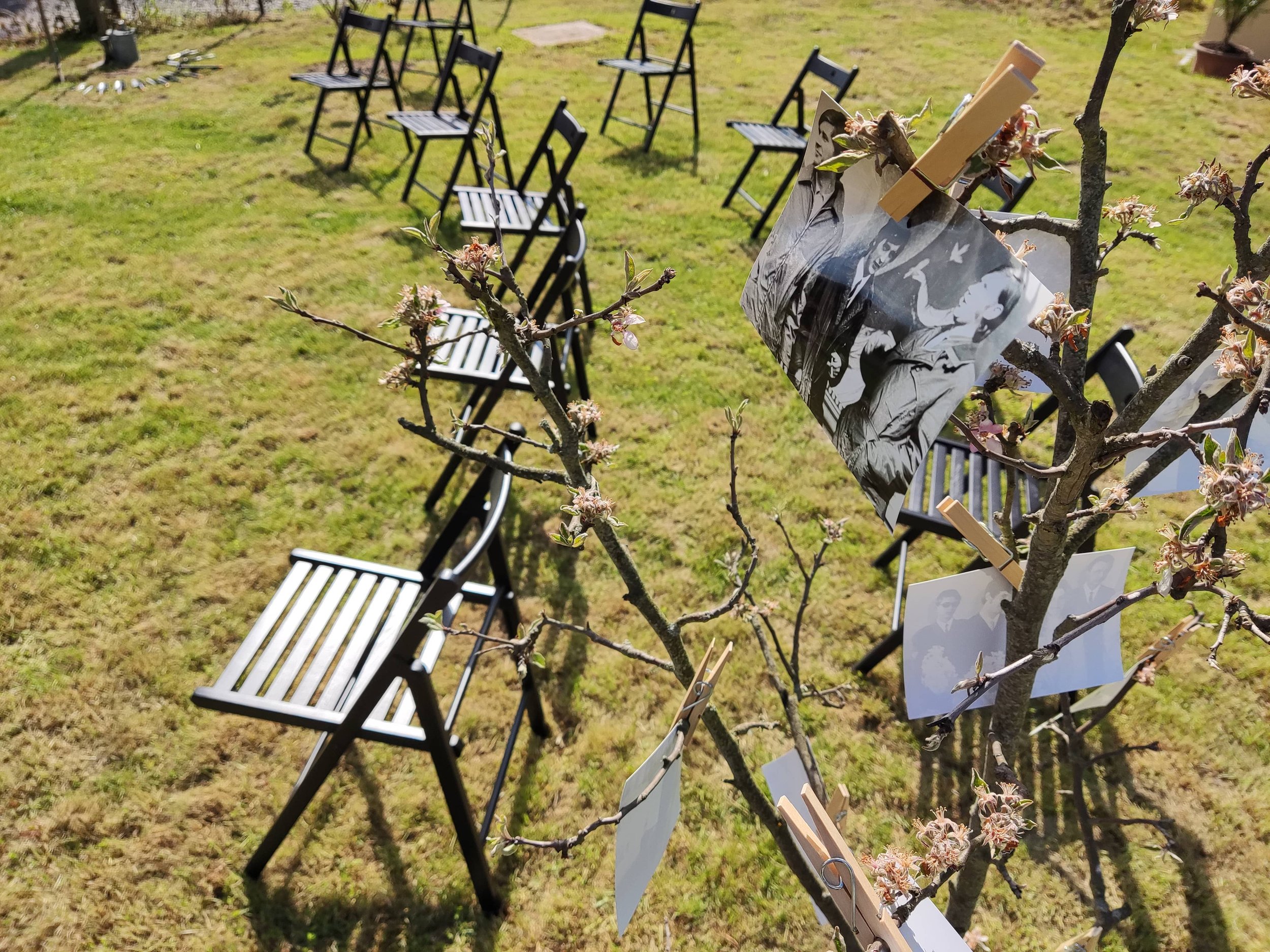
EKOLOGICKÝ POHŘEB

Snížíme zátěž pro přírodu.
Na obřadu nevznikne téměř žádný odpad.
Nepoužijeme žádné látky, které škodí životnímu prostředí.
Nástroje a pomůcky využijeme opakovaně.
Žádné plastové obaly na obřadu.
Materiál nakoupíme dle možností bezobalově.
Využijeme jen odpovědné dodavatele.
Využijeme repasované technologie.
Žádné balzamování chemickými látkami.
Díky tomu všemu snížíme emise uhlíku.
Něco ze zásad udržitelnosti používáme na každém našem pohřbu: například minimální odpad, žádná chemie, historický mobiliář, parte nebo ekologičtější doprava.
Některé zásady ale aplikujeme jen na speciální vyžádání - sem patří především ekologická rakev, nebo pohřeb bez rakve.

EKOLOGICKÁ RAKEV
Použijeme rakev z lehce rozložitelných materiálů, vyrobenou blízko, z lokálních surovin, bez jedovatých chemikálií. Může to být zcela tradiční zdobená rakev. Může jít o rakev z jednoduchého opracovaného dřeva bez agresivní povrchové úpravy.
Pokud chceme vzdušnější rakev, můžeme použít proutěnou, bambusovou nebo papírovou rakev. Pozor ale na proutěné rakve: loupané proutí z Číny nemá nic společného s ekologií, a proutí ze střední Evropy je docela drahé. Raději zkusme bambus, papír, nebo jiné materiály. Velkou výhodou papírové rakve je, že na ni můžeme pohodlně napsat vzkazy zesnulému: vše, co jsme nestihli, nemohli, nebo nechtěli říci… je to roztomilá, a přitom velmi fingující forma rozloučení nejen pro děti.

EKOLOGICKÁ URNA
Použijeme urnu vyrobenou z udržitelných materiálů. Pokud ji budeme ukládat do země, vybereme nějakou z materiálů, které se rozloží.
Dnes se na “zelených pohřbech” stejně využívá plastová “normovaná, státní” urna, ze které se jen přesype popel do “zelené” urny. My se pokusíme plastovou urnu vůbec nepoužít.

OBLEČENÍ NA KREMACI
Doporučujeme volit oblečení, které při spalování neprodukuje škodlivé zplodiny, především se vyhnout chemickým látkám nebo plastům. Například rubáš z přírodních látek je vhodný, důstojný a vkusný.
Co s botami? Doporučujeme je vynechat (guma produkuje množství jedovatých látek). Na druhou stranu, pokud je to pro vás nebo pro pozůstalého důležité z pohledu piety, boty nasadíme - je to ta nejmenší ekologická škoda, kterou můžeme udělat.
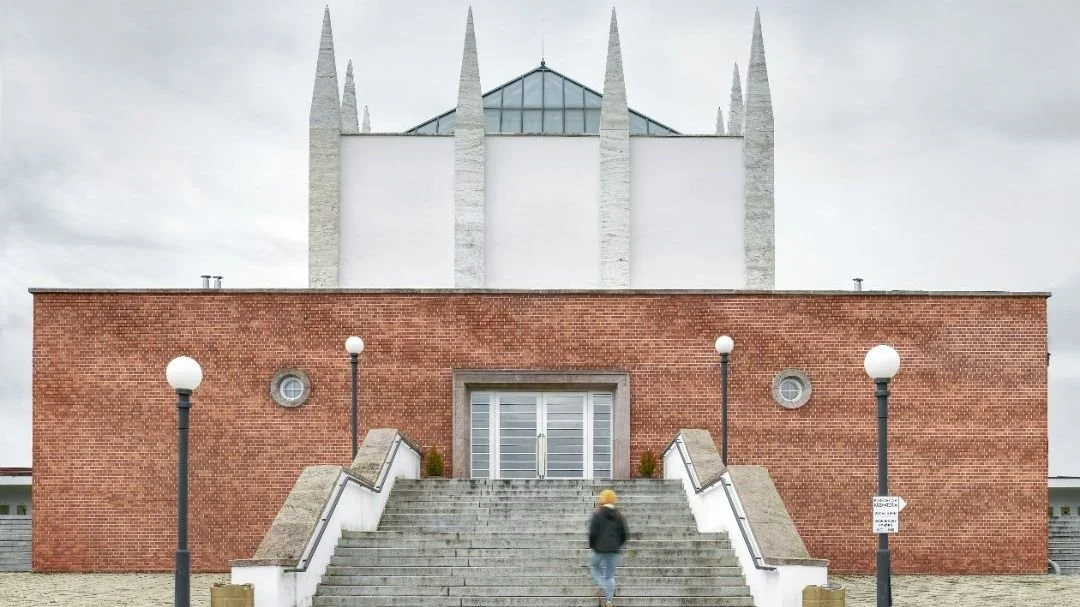
KREMACE
Kremace je nejoblíbenějším, ale energeticky nejnáročnějším způsobem pohřbu. Uhlíková stopa je přibližně stejná, jako cesta plně naloženým autem z Prahy do Chorvatska a zpět. Ještě ke všemu kremtoria v Čechách pracují výhradně na plyn - a v dnešní situaci neumíme ovlivnit, odkud plyn pochází.

POHŘEB BEZ RAKVE
Víme, že mnozí toužíte být pohřbeni bez rakve. Rakev pro vás symbolizuje tíhu a vězení. Tak trochu schovává smrt před pozůstalými. Rakev také prodlužuje dobu rozkladu těla a tam, kde je vysoká spodní voda, uzavírá tělo do hermeticky uzavřené nádoby. A co navíc, výroba rakve je ekologicky velmi náročná.
Věřte - pohřeb bez rakve není problémem morálním, právním ani náboženským. Máme řešení, které je plně v souladu s českými zákony. Tělo zavineme do pohřebního šátku z přírodních materiálů. Namísto hrobu vykopeme mělkou podzemní dřevěnou hrobku, vyztužíme ji prkny a uzavřeme pevnou deskou z tvrdých dřev, která bude pochozí. Hrobku pak můžeme zakrýt zeminou s trávou, záhonem či břečťanem. Tělo stále bude v dřevěném obalu: ale bude v mnohem větším, vzdušnějším prostoru, než v rakvi. Pokud chtějí, přípravy těla a i hrobky se mohou zúčastnit pozůstalí - pomůže jim to rozloučit se.

ULOŽENÍ OSTATKŮ
Popel po kremaci: nejčistějším způsobem je rozptyl popela nebo vsyp popela. Popel můžeme vsypat například ke stromu a rozptýlit například do vody.
Pokud chceme urnu uložit vcelku, můžeme ji také uložit ke stromu, nebo i na hřbitov do stávající hrobky či kolumbária. Dlouhodobě a rádi spolupracujeme s Lesem vzpomínek, popel ale můžeme vsypat také ke stromu, který například společně zasadíme na zahradě - a bude z toho obřad, který všem pomůže, a ještě spojí pozůstalé.
OBLEČENÍ V RAKVI
Doporučujeme použít rubáš z lehce rozložitelných materiálů. Nedoporučujeme používat oblečení s příměsí chemických látek a plasty (například boty s gumovou podrážkou). Je ovšem důležité zachovávat důstojnost a přání zesnulého - to má prioritu i podle zákona, tzv. nového občanského zákoníku (89/2012 Sb.).

KVĚTINY NA POHŘBU
Řezané květiny na pohřbu jsou krásné a povznášející, ale jejich historie je často plná ničení přírody a popírání všech principů udržitelnosti.
Nejčistším řešením je tedy použít papírové květiny. Můžeme je vytvořit my a použít opakovaně, nebo je můžete vytvořit vy sami. Tvorba papírových květin je sama o sobě soukromým obřadem, který může být předehrou k tomu veřejnému - a je také skvělým způsobem, jak přirozeně zapojit do obřadu děti. Papírové květiny za vás klidně ale poskládáme my.
Dalším vhodným řešením je použít květiny, které pěstujeme v květináčích.
Pokud použijeme živé květiny, máme dodavatele, kteří složí kytice pouze z toho, co právě kvete v okolí a na jejich záhonech.
Květiny po obřadu nikdy nevyhazujeme. Pozůstalí si je mohou odnést domů (není na tom nic divného) nebo ozdobit hrob. Pokud je nechtějí, máme domluvené kostely, které květiny rády využijí jako výzdobu (kromě postní doby, kdy se kostely nezdobí). Pokud se náš obřad odehrává v kostele či kapli, často květiny využijí přímo tam. Případně můžeme květiny umístit na hřbitov - na většině hřbitovů je společný hrob, nebo velký kříž… Poslední možností je ozdobit pomníky padlým, které se nachází téměř v každé obci.

DOPRAVA
Použijeme výhradně auta splňující německou zelenou emisní plaketu: https://www.ekologickaznamka.cz/ekologicka-znamka-nemecko/
Nepoužijeme žádná dieselová auta (na nákup elektromobilů zatím nemáme, naše firma je malá).
Na dopravu po městě, pokud nic nevezeme, běžně používáme hromadnou dopravu a kola. Na dopravu mimo města, pokud to jde, používáme vlaky (ale přiznáváme, že ne tak často, jak bychom chtěli: většinou na obřad vezeme různé větší věci, takže auto prostě použít musíme).

OBŘADNÍ PŘEDMĚTY A MOBILIÁŘ
Používáme většinou historické obřadní předměty, které byly vyrobeny ručně před 50-150 lety. Například bronzové svícny, bronzové obaly na urny, obřadní nádoby a lopatky.
Používáme výrobky z přírodních materiálů. Dřevěné židle, kovové stolky, dřevěné nádoby. Snažíme se nepoužívat vůbec žádné plasty.

OBČERSTVENÍ NA OBŘADU
Občerstvení vymyslíme tak, aby se z něj využilo vše. Pokud budeme využívat profesionální catering, umíme sehnat i takový, který má vlastní skleník i kompost, a který dodržuje základní zásady slušnosti.
O kalímcích jste nám říkali, že i ty papírové s certifikátem jsou často potažené plastem, a tak jsme úplně je úplně přestali používat a používáme výhradně opakovatelně využitelné skleničky a talíře.
Část cateringu mohou pozůstalí připravit sami - co třeba napéct buchty, které nám zesnulá babička pekla celý život?

ÚKLID PO OBŘADU
Na úklid místa obřadu nevyužíváme vůbec žádné chemické látky (typicky po sobě uklízíme louku, vilu nebo kostel, takže to ani není potřeba).
Na očistu obřadních předmětů také nepoužíváme žádnou chemii, teplá voda a utěrka z mikrovnákna jsou vlastně i nejšetrnější. Jedinou výjimkou je desinfekce.

PARTE
Máme vlastní šablony smutečních oznámení, které jsou přizpůsobené na rozesílání elektronicky a přes sociální sítě - prostě na menších rozměrech než A4.
Nejde jen o formát, ale i o zvolené písmo, jeho velikost, řádkování, okraje, druhy ornamentů - to vše ovlivňuje celkovou čitelnost a dojem. A umíme je samozřejmě vytisknout na 100% recyklovaný papír.

ŠŤASTNÍ LIDÉ
Snažíme se, aby lidé, kteří s námi pracují, byli šťastní. Dostanou slušnou mzdu a nikoho nenutíme k práci proti jeho přesvědčení.
Dodržujeme Evropskou sociální chartu a Evropskou chartu diverzity.